

Knowledge
Professor Sadie Morgan OBE: ‘Let’s bring a bit of joy back in our lives’
LSA alumnus wins at Built Environment Awards 2026
Job opportunity: Caretaker
Dezeen School Show: LSA MArch
LSA Part 0 leads shortlisted at the NLA Awards
The LSA Award 2026 Winner: Caspar Barker
LSA Student Highly Commended at Architects for Health Student Design Awards
LSA student named a finalist for the Test of Time Awards
Architectural Education as a Situated Practice and the Little Free Library
From Crisis to Opportunity: Reframing the Future for Architecture Graduates
Architectural Education as a Situated Practice | London Festival of Architecture
LSA Student shortlisted for the AJ New Talent Award
If Only We Will: Degree Show 2026
Belonging by Design: A Collective Act | London Festival of Architecture
Design Think Tank: Call for Practice Briefs
LSA International Field Trip 2026: Belgium
LSA Representation in the AJ Small Projects 2026 shortlist
LSA Student Placement with Ryder Architecture
Alumni Case Study: Elliott Wang
Open Evening 1 April 2026
Design For Life returns this February
Call for Abstracts: Learnings/Unlearnings Conference
Part 0 Lead wins at Inspire Future Generations Awards
Applications open for MArch in Designing Architecture
The University of the Built Environment appoints new Professors
Get to know Lee Ivett
Open Evening 20 January 2026
LSA faculty nominated for Inspire Future Generations Awards
Yang Yang Chen shortlisted for Young Talent award
LSA Part 0 co-leads shortlisted for Inspire Future Generations Awards
LSA tutor is RIBA House of the Year finalist
Lee Ivett Open Evening Speech
Hugh Strange Architects: House of the Year 2025 shortlist
Lee Ivett starts as Head of School
LSA tutor wins Young Architect of the Year 2025
Open Evening 19 November 2025
AJ Student Prize | Postgraduate Winner: Amy Wilkinson
Hugh Strange Architects Shortlisted for RIBA Stirling Prize 2025
‘Design for Life’ returns this November – Part 4
Lee Ivett appointed as Head of School at London School of Architecture
George Moldovan shortlisted for 2025 Structural Timber Awards
‘A Seat at the Table’ Summer Show 2025
University of the Built Environment
OPEN DAY 11 June 2025
Future Skills Think Tank
LSA and UCEM merge
Future Skills Think Tank
Festival of the Future
Sixty years on from the London County Council: legacy, impact, learning
Dr Neal Shasore stepping down as Head of School and Chief Executive of the London School of Architecture (LSA) in February 2025
Load moreLSA Student Highly Commended at Architects for Health Student Design Awards
Sam Wimbush, a recent London School of Architecture MArch graduate, was Highly Commended in the MA Mental Health category at the Architects for Health Student Design Awards.
71 students from 15 international universities submitted entries, with the winners announced in an awards ceremony hosted by White Arkitekter at their London studio.
Project: Designing for Mental Health by Sam Wimbush
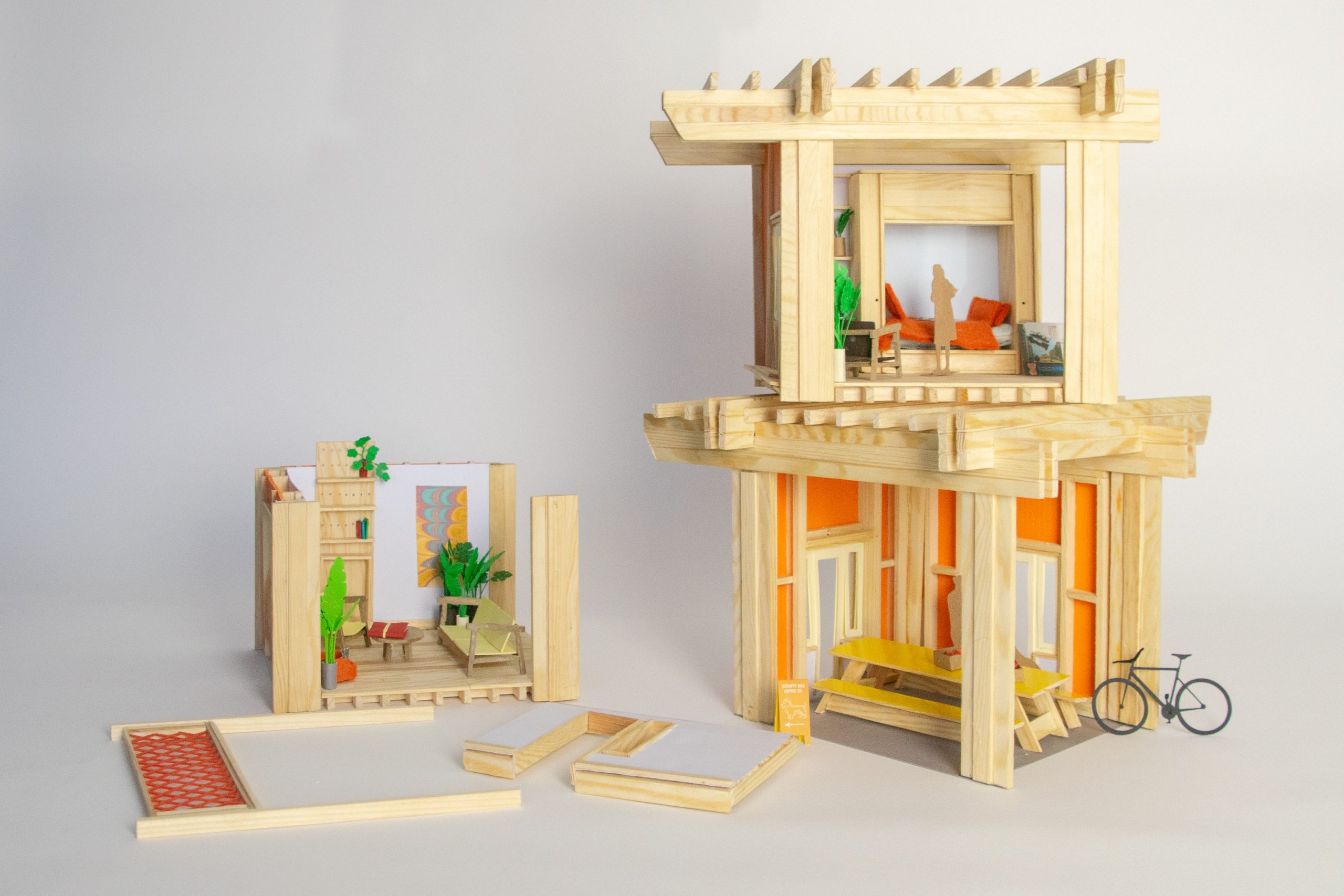
 This project began with a seemingly simple question: how can architecture better support mental health? Drawing from personal experiences of the NHS mental health system, conversations with service users, and wider research into contemporary healthcare provision, it quickly became apparent that the challenges extend far beyond the design of individual buildings. Mental health services often remain difficult to access, geographically fragmented, and located within institutional environments that can feel disconnected from everyday life. At the same time, many aspects of the built environment, from housing and public spaces to commercial environments, increasingly contribute to stress, isolation, and declining wellbeing.
In response, the project explores whether architects can remain neutral when the environments they design have such significant impacts on health. It argues that they cannot, and instead proposes a model of care in which architecture plays an active role in supporting wellbeing.
The proposal reimagines mental healthcare as a localised, community-based system embedded within everyday urban life. Rather than concentrating services within large institutional campuses, care is distributed through a network of familiar and accessible spaces, including community businesses, enhanced GP facilities, therapeutic environments, and short-stay accommodation providing support before crisis occurs.
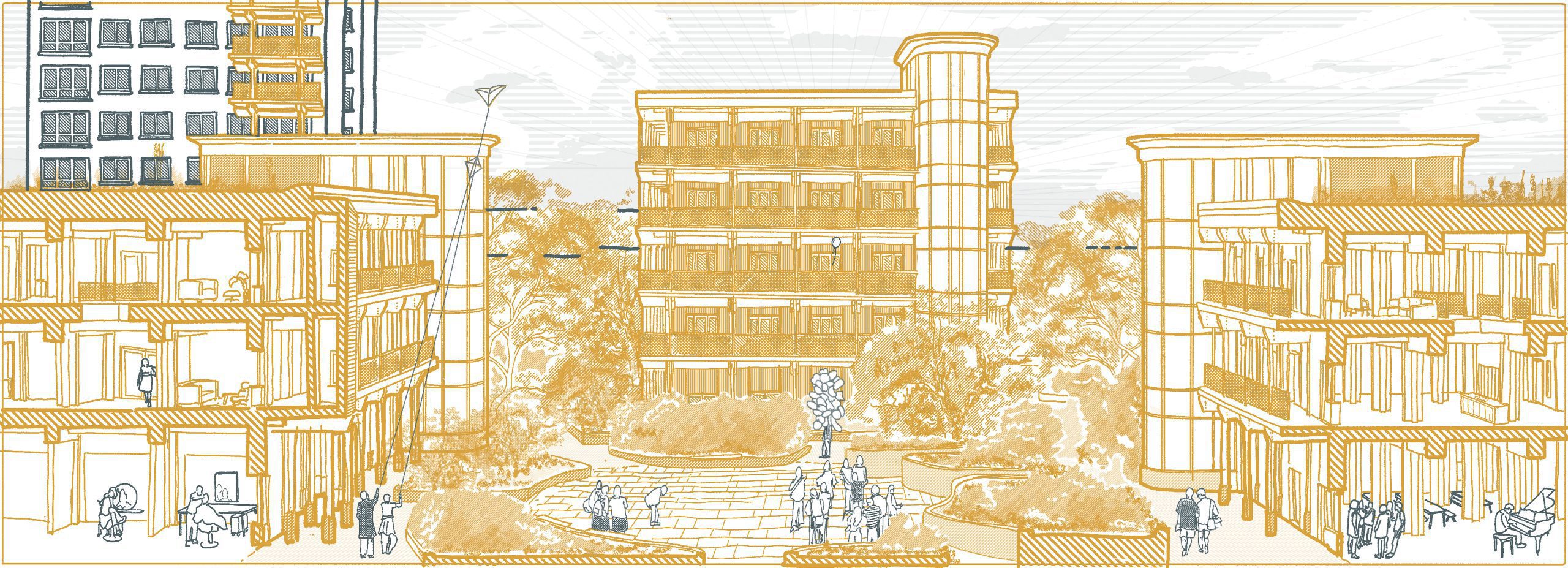
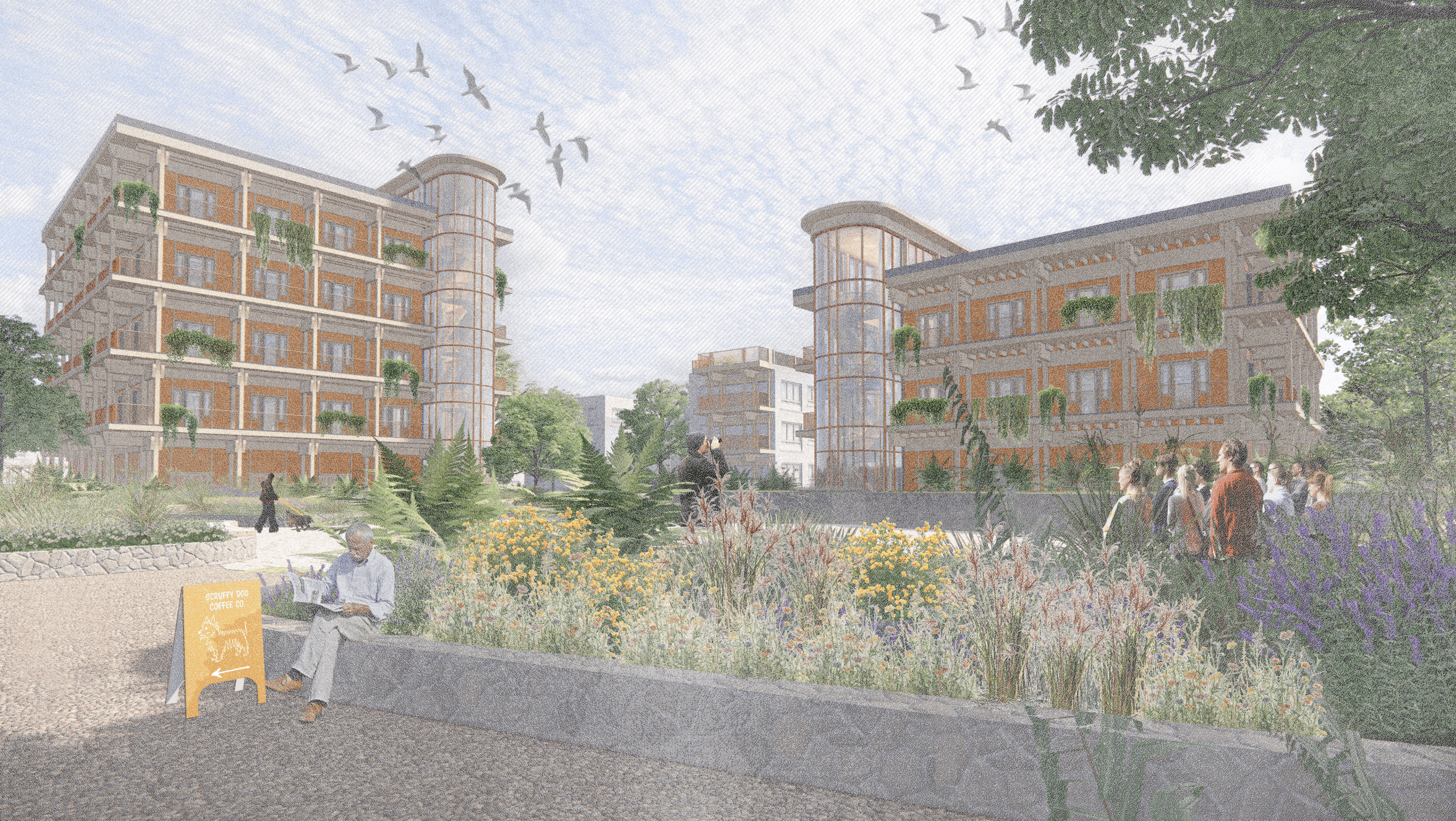
The architectural response takes the form of a series of pavilions integrated within an existing housing estate in Limehouse, improving the site without displacing residents. Drawing on domestic settings, historical healthcare precedents, and principles of repairable design, the scheme creates calm, legible spaces that support therapy, reflection, temporary residence, and social connection. Material and structural strategies are designed to accommodate maintenance, adaptation, and ageing over time.
Developed through engagement with people experiencing mental health challenges, the project demonstrates how small architectural interventions can contribute to broader systemic change, suggesting a future in which care is embedded within communities and the built environment actively participates in supporting mental wellbeing.
