

Knowledge
Dezeen School Show: LSA MArch
LSA Part 0 leads shortlisted at the NLA Awards
The LSA Award 2026 Winner: Caspar Barker
LSA Student Highly Commended at Architects for Health Student Design Awards
LSA student named a finalist for the Test of Time Awards
Architectural Education as a Situated Practice and the Little Free Library
From Crisis to Opportunity: Reframing the Future for Architecture Graduates
Architectural Education as a Situated Practice | London Festival of Architecture
LSA Student shortlisted for the AJ New Talent Award
If Only We Will: Degree Show 2026
Belonging by Design: A Collective Act | London Festival of Architecture
Design Think Tank: Call for Practice Briefs
LSA International Field Trip 2026: Belgium
LSA Representation in the AJ Small Projects 2026 shortlist
LSA Student Placement with Ryder Architecture
Alumni Case Study: Elliott Wang
Open Evening 1 April 2026
Design For Life returns this February
Call for Abstracts: Learnings/Unlearnings Conference
Part 0 Lead wins at Inspire Future Generations Awards
Applications open for MArch in Designing Architecture
The University of the Built Environment appoints new Professors
Get to know Lee Ivett
Open Evening 20 January 2026
LSA faculty nominated for Inspire Future Generations Awards
Yang Yang Chen shortlisted for Young Talent award
LSA Part 0 co-leads shortlisted for Inspire Future Generations Awards
LSA tutor is RIBA House of the Year finalist
Lee Ivett Open Evening Speech
Hugh Strange Architects: House of the Year 2025 shortlist
Lee Ivett starts as Head of School
LSA tutor wins Young Architect of the Year 2025
Open Evening 19 November 2025
AJ Student Prize | Postgraduate Winner: Amy Wilkinson
Hugh Strange Architects Shortlisted for RIBA Stirling Prize 2025
‘Design for Life’ returns this November – Part 4
Lee Ivett appointed as Head of School at London School of Architecture
George Moldovan shortlisted for 2025 Structural Timber Awards
‘A Seat at the Table’ Summer Show 2025
University of the Built Environment
OPEN DAY 11 June 2025
Future Skills Think Tank
LSA and UCEM merge
Future Skills Think Tank
Festival of the Future
Sixty years on from the London County Council: legacy, impact, learning
Dr Neal Shasore stepping down as Head of School and Chief Executive of the London School of Architecture (LSA) in February 2025
PART 0 WINS INSPIRE FUTURE GENERATIONS AWARD FOR FURTHER EDUCATION/HIGHER EDUCATION
LSA AND PURCELL ANNOUNCE NEW PARTNERSHIP
LUCY CARMICHAEL APPOINTED CHAIR OF THE BOARD OF TRUSTEES
Load moreThe LSA Award 2026 Winner: Caspar Barker
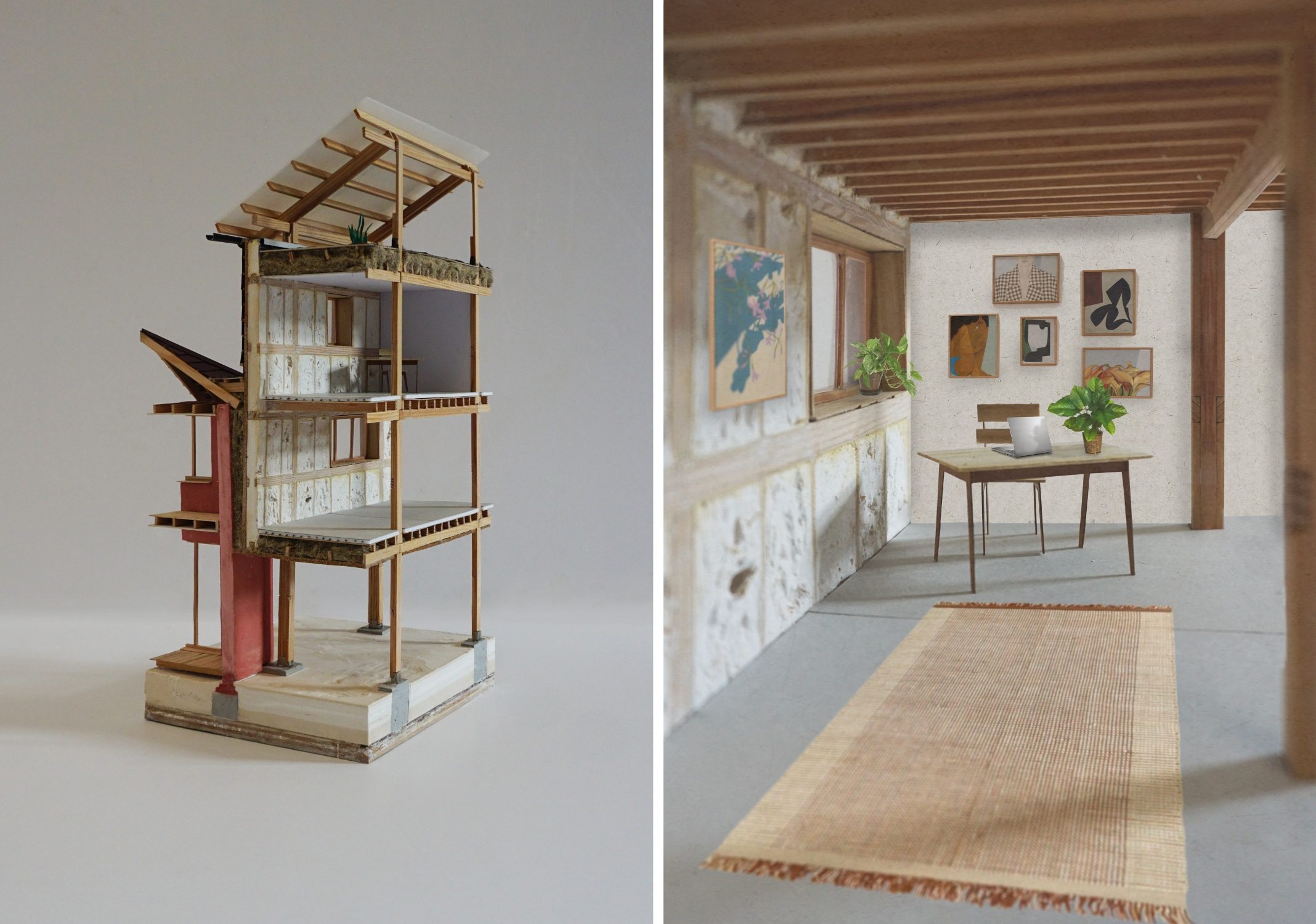
The 2026 LSA Award winner is Caspar Barker for ‘Unplanning Suburbia: Unlocking An Alternative Future For London’s Metroland’ (MArch Designing Architecture thesis project).
Why this project was selected:
This project was chosen for the inaugural LSA award in recognition of its ambition to challenge aspirations and expectations regarding typology, policy and collective life within a suburban context. This is a context often ignored by architects and contemporary architecture as a strategic imperative or as a site of critical enquiry and interrogation.
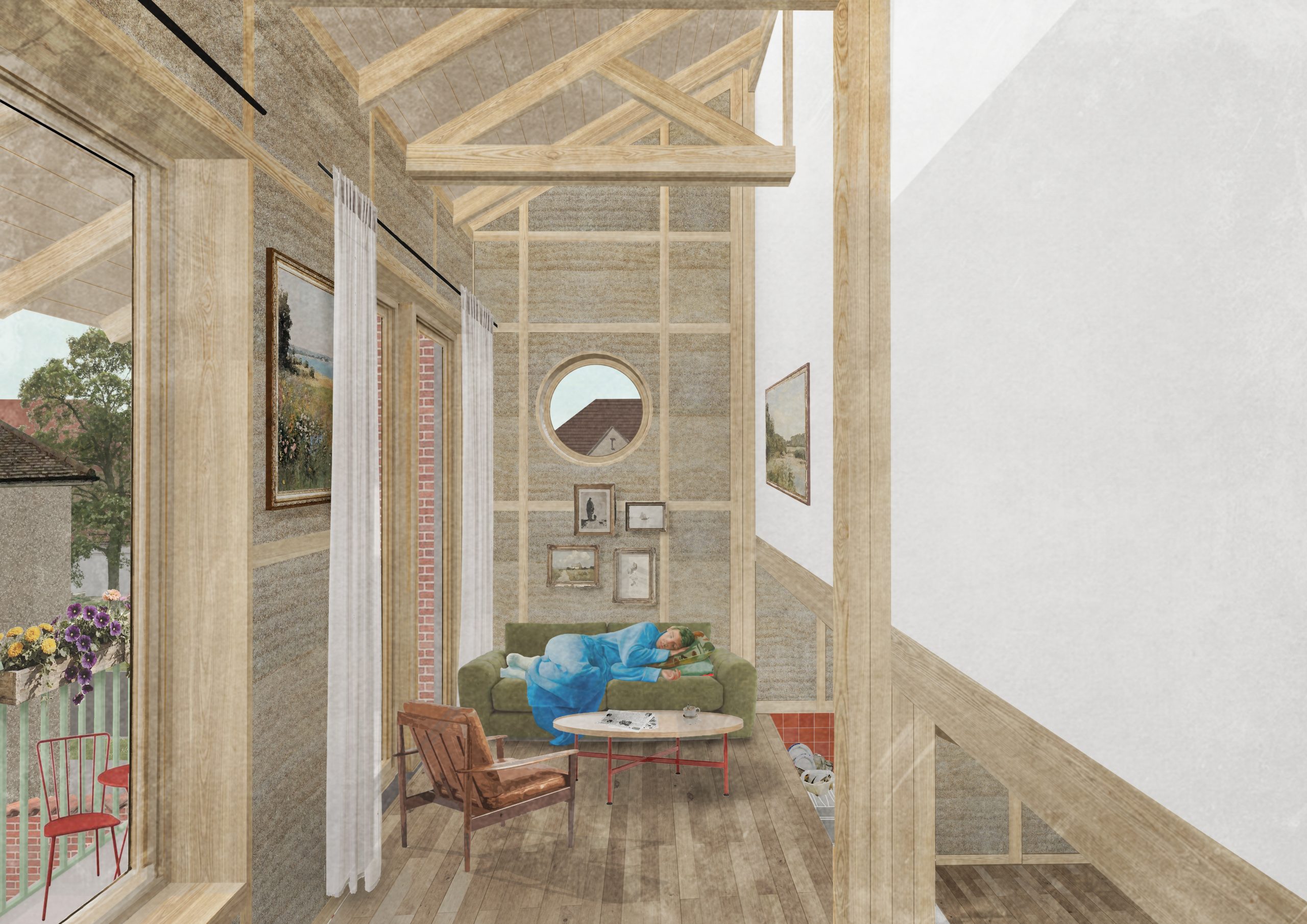
Casper’s project provides an architectural solution that addresses issues of accessibility and affordability in relation to housing in London and potentially other large cities where communities, and in particular families, are being forced to relocate. The proposal is inherently sustainable; socially, culturally and economically as well as environmentally.
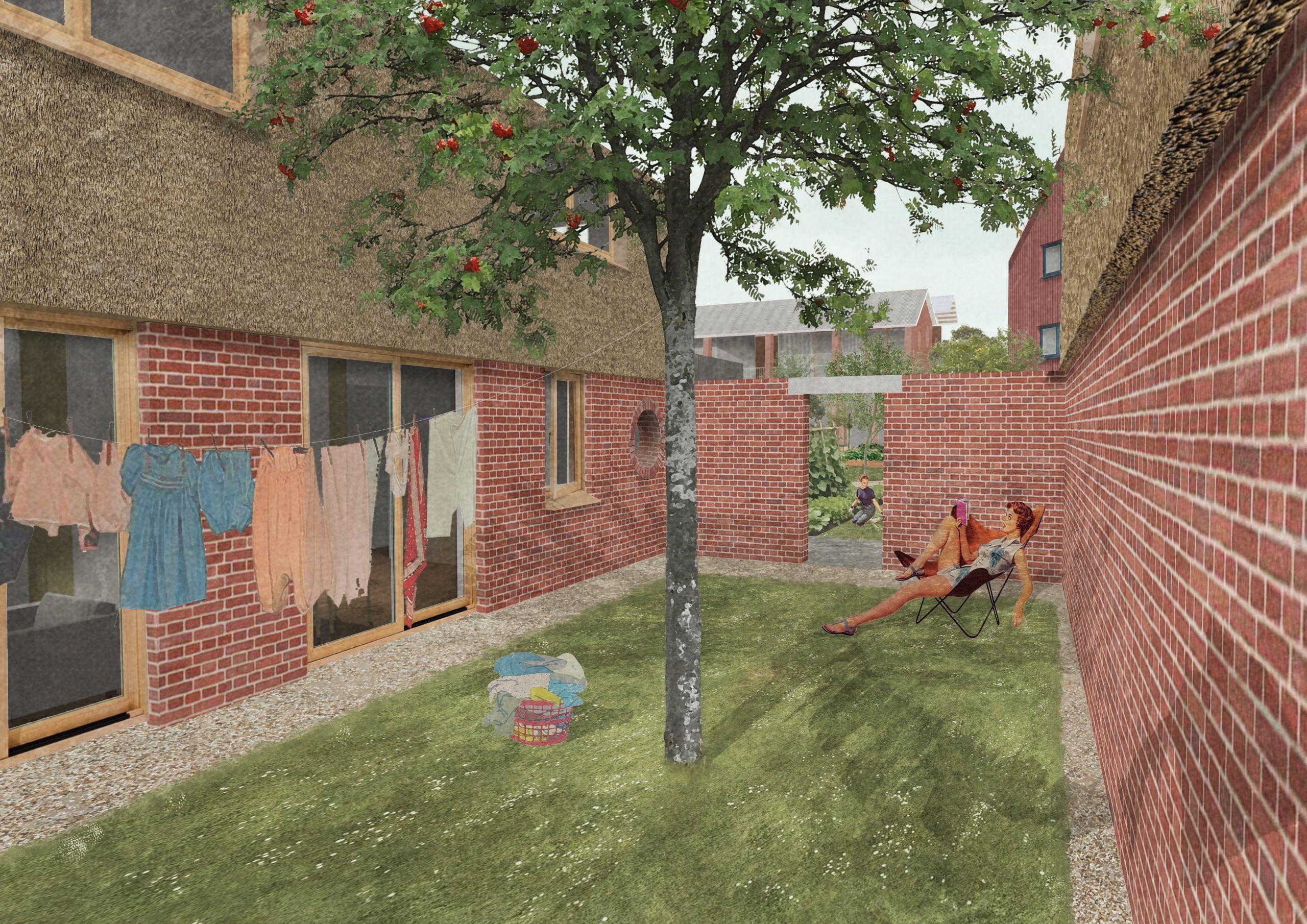
Not only does the project propose an innovative, ambitious and progressive architectural response to the potential densification of the suburban condition, it also suggests the policy and systemic infrastructure that would be required to achieve that outcome. Whether it’s research, architectural design or policy; every output produced has been executed to an exceptionally high standard of visual communication ensuring that ideas as well as architecture are legible and accessible.
The LSA Award is intended to spotlight a project that most represents the mission, intent and purpose of the LSA.
About the project:
With London’s Population projected to grow to over 11 million by 2050 when London’s remaining major brownfield development sites have all been completed, alternative approaches to building new homes in the capital are going to be required. My thesis stands in direct opposition to the Labour Governments 2024 planning reforms to permit development on select greenbelt land and instead I would like to confront how planning reform might bring opportunities for mutually beneficial development among the London’s vast low density suburban neighbourhoods to counter urban sprawl.
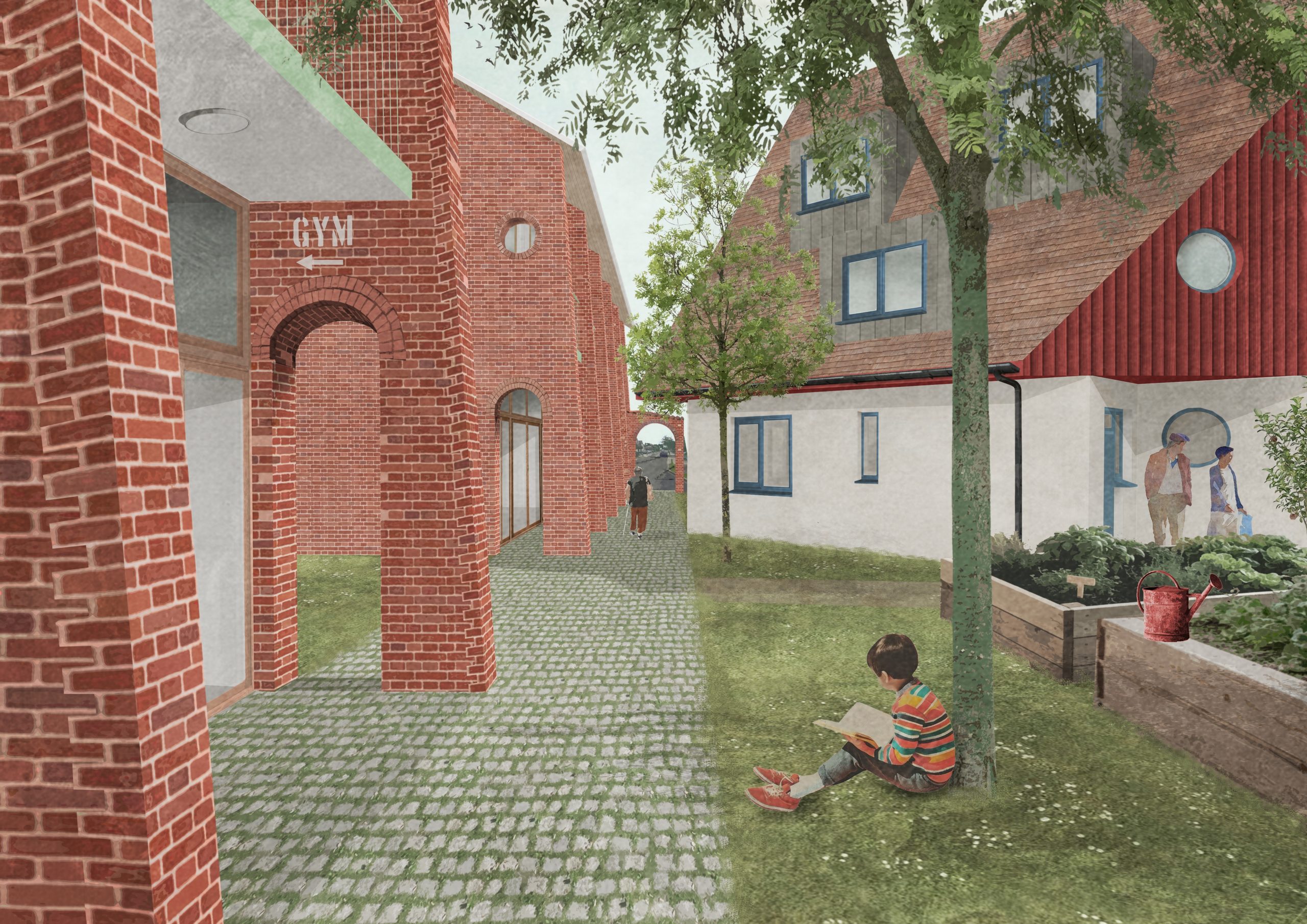
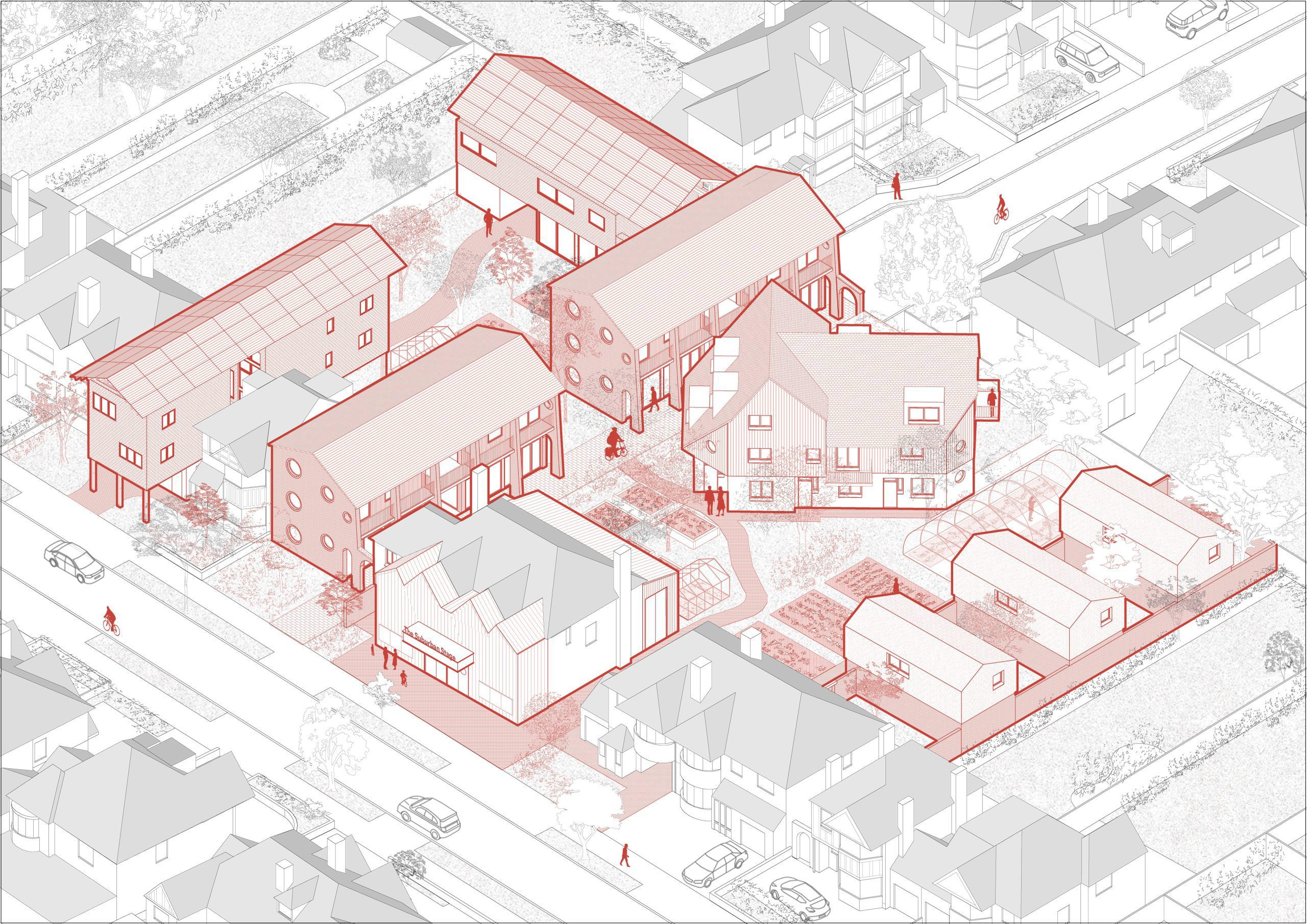
Inspired by the absence of planning controls which characterised England’s early 20th century ‘plotland’ settlements as well as more contemporary examples such as Oosterwold, Almere in the Netherlands this thesis explores how planning freedom could unlock an alternative future for London’s suburbs. The proposed strategy involves local authorities allocating ‘permitted development zones’ in low density suburban areas, where any development is permitted provided defined conditions are met. In this case a percentage distribution of uses must be achieved across the site area and the population density of the site must be doubled to qualify for these freedoms. The policy promotes individual and innovative design responses whilst the set conditions ensure effective densification of London’s suburban neighbourhoods alongside delivering missing amenity and diversity.
The proposed policy is tested in the context of the Northwick Park Estate located in Kenton on the border of Harrow and Brent. The area is emblematic of the monofunctional Metroland suburbs, an expansive area of early 20th century development tracing the metropolitan railway line.
