Knowledge - Page 7
Jul 19
Nelli Wahlsten — Another Earth
Jul 19
Nicholas Shewan — Living Infrastructures
Jul 19
Maxim Sas — High Tide (for Change)
Jul 19
Matthew Barnett — Rivers of Green
Jul 19
Maelys Garreau — Pioneer Landscapes
Jul 19
Michael Cradock — The Homosexual Imperialist
Jul 19
Katie Oliver — Death of a Habit
Jul 19
Josh Fenton — The New Well House
Jul 19
Joe Walker — A Time For Place
Jul 19
Fraser Morrison — Totem for Waste
Jul 19
Eloise Rogers — The Rites of Passage
Jul 19
Cristina Gaidos — Place for Industry
Jul 19
Craig Page — The Music Factory
Jul 19
Cameron Lintott — -city.
Jul 19
Annecy Attlee — The Assembly Rooms
Jul 19
See the work from the LSA’s third graduating cohort
Jul 19
Alice Hardy — Dalgarno Builds
Jul 19
Abiel Hagos — Vertical Village
Jul 19
Alessandro Carlucci — El Paradais
Jun 19
The LSA at the this year’s London Festival of Architecture
Jun 19
The LSA is now registered with the Office for Students
Jun 19
HEREAFTER: LSA SUMMER SHOW 2019
May 19
Become part of the London School of Architecture
Apr 19
The LSA at this year’s Association of Architectural Educators conference
Mar 19
Public lecture: David Kohn – 28.3.19
Mar 19
LSA Job Opening — Operations Coordinator
Feb 19
FIND OUT MORE ABOUT 2019/20 AT OUR OPEN EVENING – 4.3.19
Jan 19
Life after the LSA: Where our pioneering graduates are now
Dec 18
Life After the LSA: Molly Judge
Dec 18
LSA given special mention by Blueprint Magazine as two students honoured
Dec 18
LOOKING TO STUDY IN LONDON? WE WANT TO HEAR FROM EU
Dec 18
Preview: The Youth Yard by Maelys Garreau
Dec 18
Preview: The Content Commuter by Joe Walker
Dec 18
Preview: Queer Southwark by Michael Cradock
Dec 18
Preview: Thames Refinery City by William Bellamy
Dec 18
Preview: The Assembly Rooms by Annecy Attlee
Dec 18
Preview: Theatre of the Street by Tom Badger
Dec 18
Public lecture: Liza Fior, Muf – 8.4.19
Dec 18
Apply now for 2019/20
Dec 18
Drawing Matter: ‘What were they trying to do here?’
Dec 18
‘The School as Start-Up’ – the LSA presented at Yale
Nov 18
The LSA Winter Exhibition – until 12.1.19
Nov 18
LSA shortlisted for Royal Docks design charrette with The Klassnik Corporation
Nov 18
Life After the LSA: Maeve Dolan
Oct 18
CONNECT – The LSA annual for 2018 now online
Oct 18
The 2018/19 Critical Practice Reader is now online
Oct 18
“Not your typical exhibition” – AJ review of the LSA’s end-of-year show
Oct 18
The LSA represented at this year’s Venice Biennale
Oct 18
Follow us on Instagram
Oct 18
We have moved!
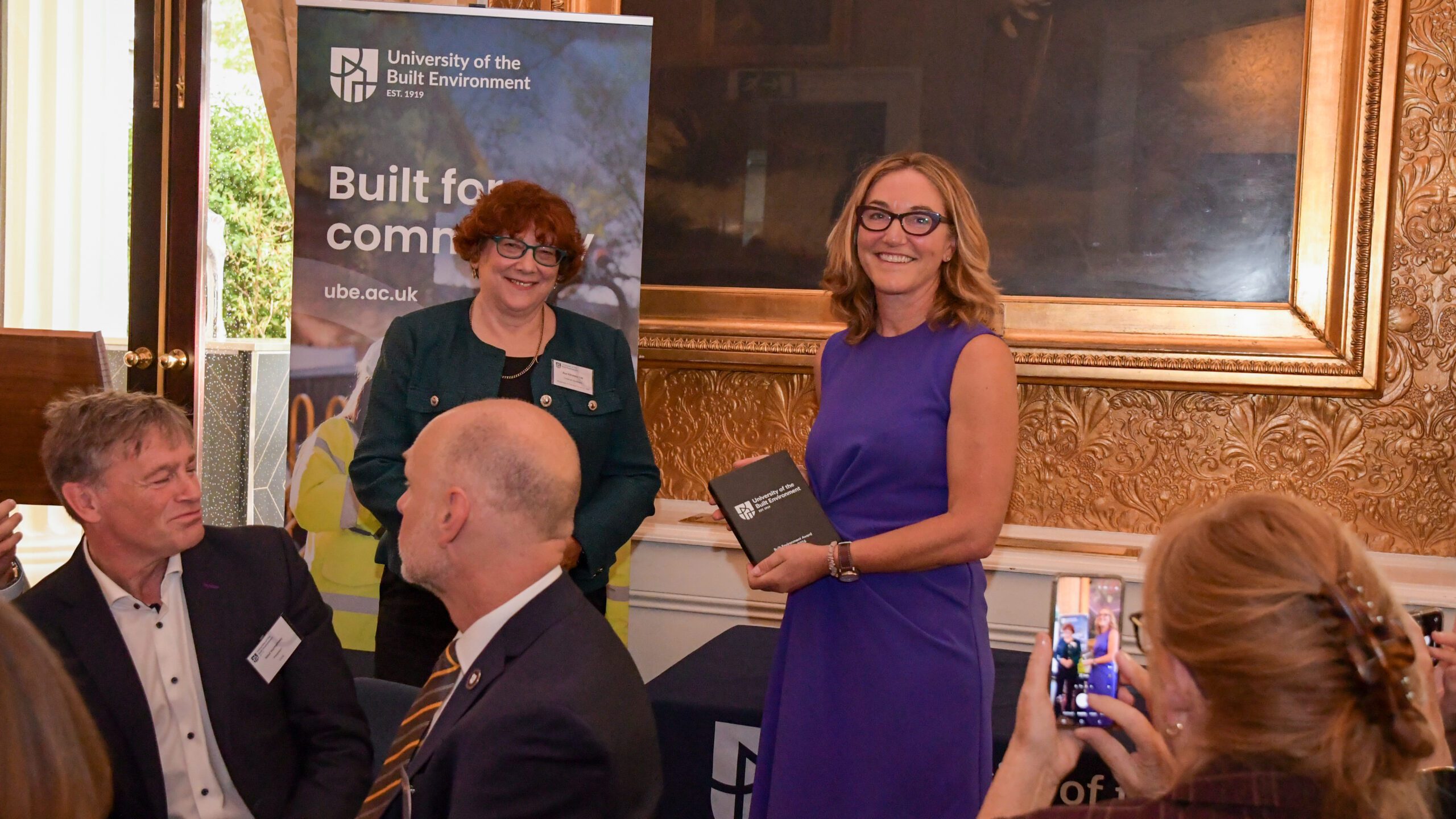
Load moreProfessor Sadie Morgan OBE: ‘Let’s bring a bit of joy back in our lives’
Award-winning architect Professor Sadie Morgan OBE discusses Hastings Pier, community-led design, AI and her advice for the next generation of architects. Read the full article on the University of the Built Environment’s website.