

Knowledge
Dezeen School Show: LSA MArch
LSA Part 0 leads shortlisted at the NLA Awards
The LSA Award 2026 Winner: Caspar Barker
LSA Student Highly Commended at Architects for Health Student Design Awards
LSA student named a finalist for the Test of Time Awards
Architectural Education as a Situated Practice and the Little Free Library
From Crisis to Opportunity: Reframing the Future for Architecture Graduates
Architectural Education as a Situated Practice | London Festival of Architecture
LSA Student shortlisted for the AJ New Talent Award
If Only We Will: Degree Show 2026
Belonging by Design: A Collective Act | London Festival of Architecture
Design Think Tank: Call for Practice Briefs
LSA International Field Trip 2026: Belgium
LSA Representation in the AJ Small Projects 2026 shortlist
LSA Student Placement with Ryder Architecture
Alumni Case Study: Elliott Wang
Open Evening 1 April 2026
Design For Life returns this February
Call for Abstracts: Learnings/Unlearnings Conference
Part 0 Lead wins at Inspire Future Generations Awards
Applications open for MArch in Designing Architecture
The University of the Built Environment appoints new Professors
Get to know Lee Ivett
Open Evening 20 January 2026
LSA faculty nominated for Inspire Future Generations Awards
Yang Yang Chen shortlisted for Young Talent award
LSA Part 0 co-leads shortlisted for Inspire Future Generations Awards
LSA tutor is RIBA House of the Year finalist
Lee Ivett Open Evening Speech
Hugh Strange Architects: House of the Year 2025 shortlist
Lee Ivett starts as Head of School
LSA tutor wins Young Architect of the Year 2025
Open Evening 19 November 2025
AJ Student Prize | Postgraduate Winner: Amy Wilkinson
Hugh Strange Architects Shortlisted for RIBA Stirling Prize 2025
‘Design for Life’ returns this November – Part 4
Lee Ivett appointed as Head of School at London School of Architecture
George Moldovan shortlisted for 2025 Structural Timber Awards
‘A Seat at the Table’ Summer Show 2025
University of the Built Environment
OPEN DAY 11 June 2025
Future Skills Think Tank
LSA and UCEM merge
Future Skills Think Tank
Festival of the Future
Sixty years on from the London County Council: legacy, impact, learning
Dr Neal Shasore stepping down as Head of School and Chief Executive of the London School of Architecture (LSA) in February 2025
PART 0 WINS INSPIRE FUTURE GENERATIONS AWARD FOR FURTHER EDUCATION/HIGHER EDUCATION
LSA AND PURCELL ANNOUNCE NEW PARTNERSHIP
LUCY CARMICHAEL APPOINTED CHAIR OF THE BOARD OF TRUSTEES
Load moreDuncan Graham — Asphalt Aspirations
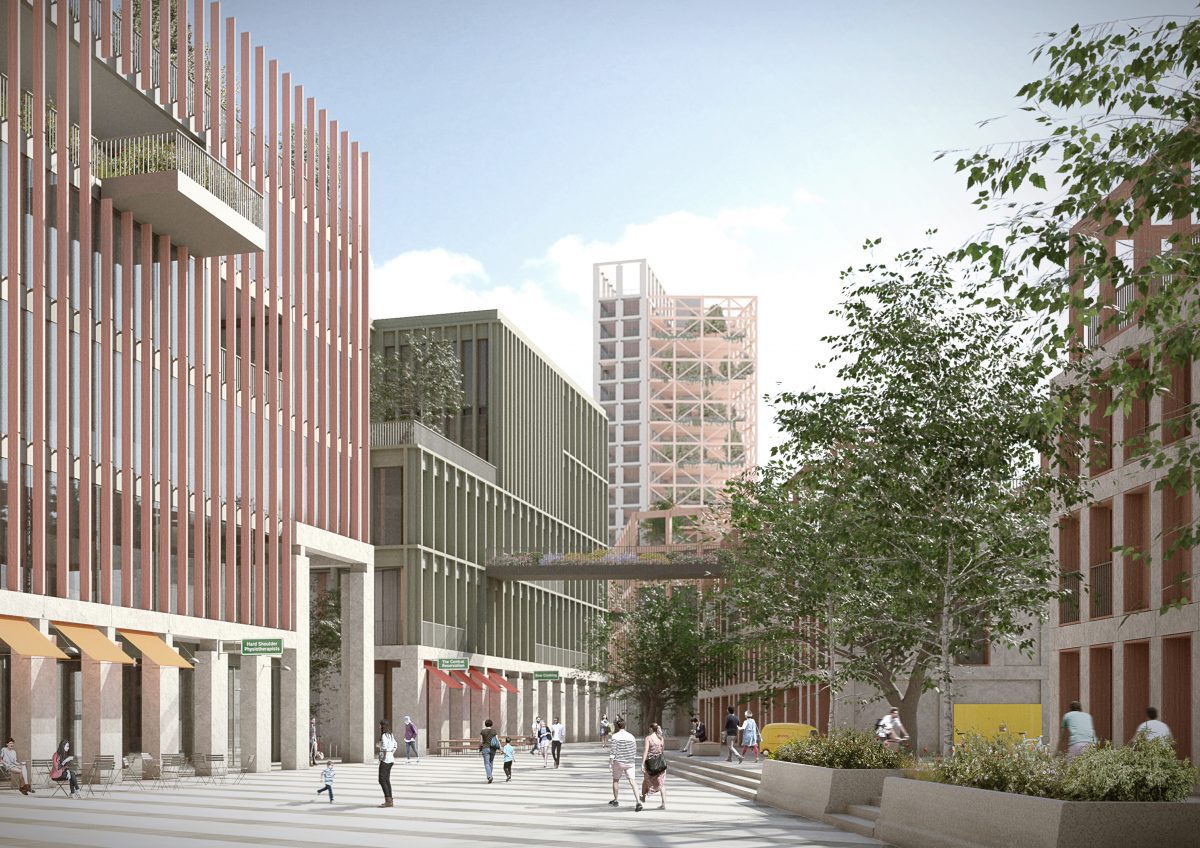
An opportunity for change: With falling car use over the next 20 years, London will have the chance to repurpose its Motor Age infrastructure, creating new localised pieces of city where public space has priority.
Asphalt Aspirations — A speculative framework for London’s soon-to-be redundant road network. By Duncan Graham.
Location
A12 East Cross Route/The Wider Arterial Road Network of London
Objective
To establish a framework for the future development of London’s arterial roads, placing emphasis on creating car-free, localised, green pieces of city that are fully embedded in their contexts.
Motivation
With various technologies and societal changes on the horizon, car use in the capital may soon fall drastically, opening up the potential for the redevelopment of its road network.
Strategy
The project proposes the transformation of a key road in East London into a car-free development that places connectivity, amenity, and localised living at its heart. The development acts as a pilot project, establishing principles at three scales to form a framework for the wider and more comprehensive redevelopment of the city’s road network.
Impact
By establishing a framework, this project will define new pieces of city across London, repairing the scars of the Motor Age and transforming the urban fabric for the better.
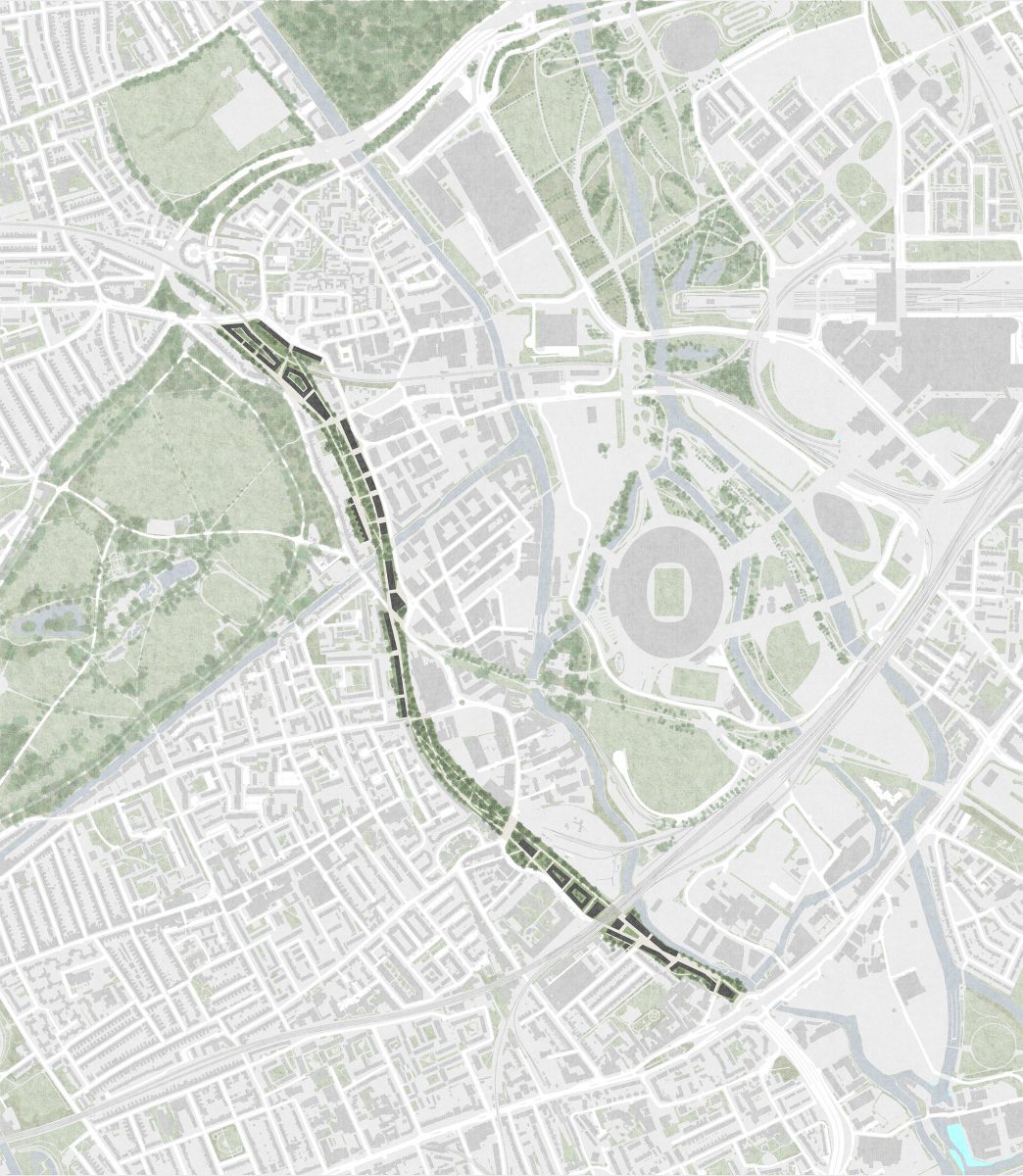
Responding to the city: Transforming a barrier into a gateway is at the heart of the framework. On the A12, this means opening up to the city’s urban fabric and making the most of the road’s form to connect people to new places and spaces.

Repairing the urban fabric: Removing a road should be like bursting a bubble – the void left behind must be filled by what surrounds it. Uses, scale, and massing blend from one side to the other, whilst ensuring the memory of infrastructure is not completely erased from the city.
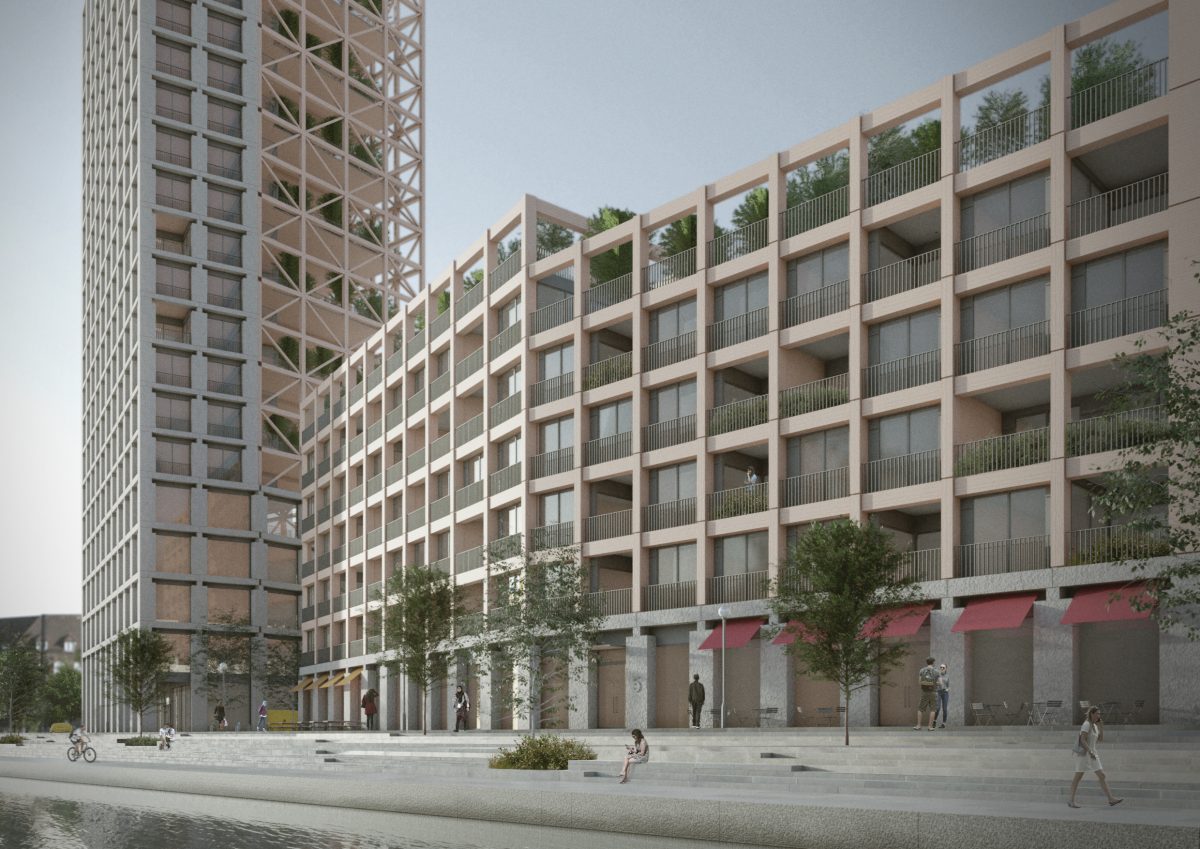
A series of spaces: Occupying London’s road network means bringing public land back into the ownership of people, not cars. The A12 masterplan prioritises creating new open public spaces that serve its developments as well as the communities that surround it. Creating a series of spaces counters the monotony of a linear site, whilst making the most of the different conditions the road encounters.

Establishing an architecture: A linear site that expands across London requires a system that is flexible and repeatable; it also requires an architectural language that compliments but differentiates from surrounding contexts. Emulating the scale and rhythm of infrastructure has been used as a starting point, paired with a response to the solidity of the man-made landscape of the former road.
Further work
- Design Cities— Crossride
- Design Think Tank — London’s Future Last Mile
- Design History — Rebuilding Plymouth
Contact details
- duncangraham.uk
- duncangraham_@outlook.com