

Knowledge
Professor Sadie Morgan OBE: ‘Let’s bring a bit of joy back in our lives’
LSA alumnus wins at Built Environment Awards 2026
Job opportunity: Caretaker
Dezeen School Show: LSA MArch
LSA Part 0 leads shortlisted at the NLA Awards
The LSA Award 2026 Winner: Caspar Barker
LSA Student Highly Commended at Architects for Health Student Design Awards
LSA student named a finalist for the Test of Time Awards
Architectural Education as a Situated Practice and the Little Free Library
From Crisis to Opportunity: Reframing the Future for Architecture Graduates
Architectural Education as a Situated Practice | London Festival of Architecture
LSA Student shortlisted for the AJ New Talent Award
If Only We Will: Degree Show 2026
Belonging by Design: A Collective Act | London Festival of Architecture
Design Think Tank: Call for Practice Briefs
LSA International Field Trip 2026: Belgium
LSA Representation in the AJ Small Projects 2026 shortlist
LSA Student Placement with Ryder Architecture
Alumni Case Study: Elliott Wang
Open Evening 1 April 2026
Design For Life returns this February
Call for Abstracts: Learnings/Unlearnings Conference
Part 0 Lead wins at Inspire Future Generations Awards
Applications open for MArch in Designing Architecture
The University of the Built Environment appoints new Professors
Get to know Lee Ivett
Open Evening 20 January 2026
LSA faculty nominated for Inspire Future Generations Awards
Yang Yang Chen shortlisted for Young Talent award
LSA Part 0 co-leads shortlisted for Inspire Future Generations Awards
LSA tutor is RIBA House of the Year finalist
Lee Ivett Open Evening Speech
Hugh Strange Architects: House of the Year 2025 shortlist
Lee Ivett starts as Head of School
LSA tutor wins Young Architect of the Year 2025
Open Evening 19 November 2025
AJ Student Prize | Postgraduate Winner: Amy Wilkinson
Hugh Strange Architects Shortlisted for RIBA Stirling Prize 2025
‘Design for Life’ returns this November – Part 4
Lee Ivett appointed as Head of School at London School of Architecture
George Moldovan shortlisted for 2025 Structural Timber Awards
‘A Seat at the Table’ Summer Show 2025
University of the Built Environment
OPEN DAY 11 June 2025
Future Skills Think Tank
LSA and UCEM merge
Future Skills Think Tank
Festival of the Future
Sixty years on from the London County Council: legacy, impact, learning
Dr Neal Shasore stepping down as Head of School and Chief Executive of the London School of Architecture (LSA) in February 2025
Load moreLiving with Architects: reflections on my first term at the LSA
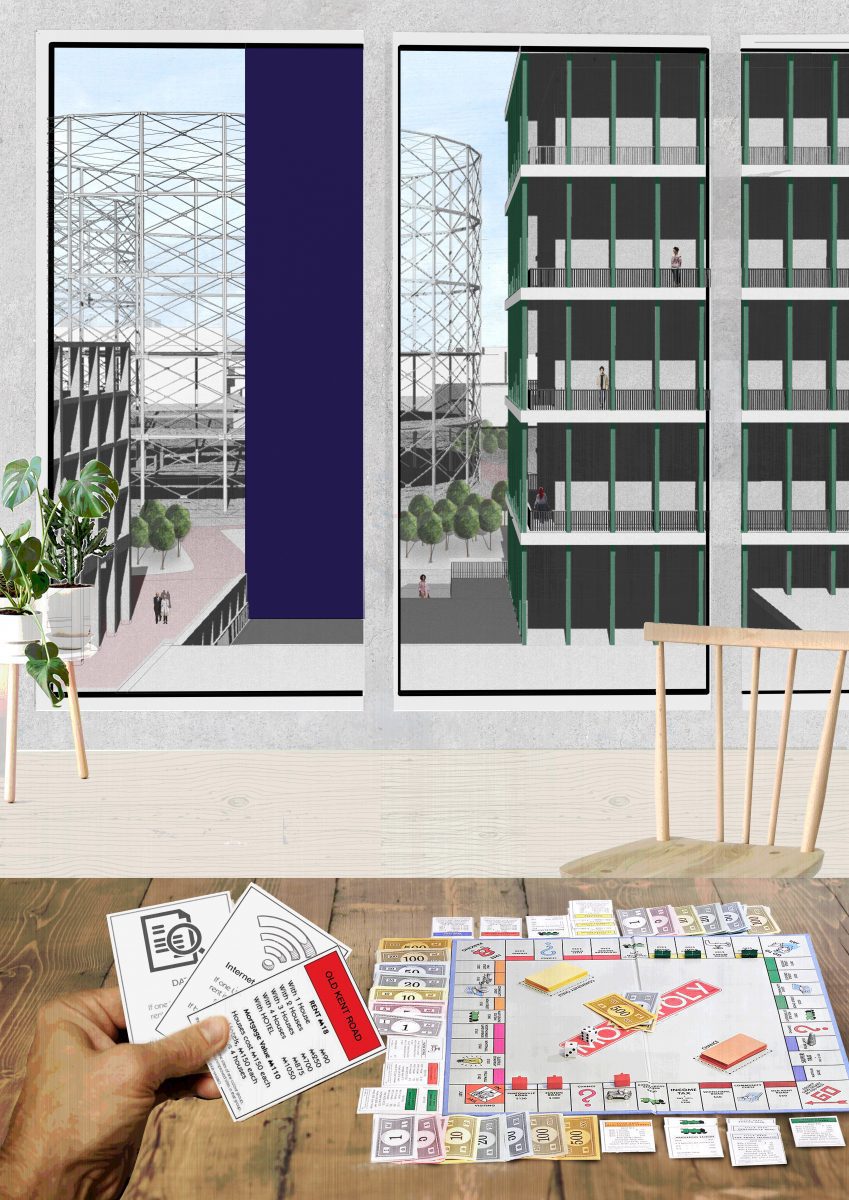
Tom’s collage for the Urban Studies module in the first term
Tom Badger, a First Year student at the LSA, reflects on his choice of Part 2 course and what makes the school different.
Since joining the LSA in October 2017 I have found myself reflecting on my choice of architecture school and where it might lead. This feeling is only heightened by the fact that I live with two other trainee architects. When I get home from the LSA (or from my practice placement at DSDHA) I’m faced with the alternative routes to becoming an architect: the choices I did not make.
With one of my flat mates continuing his work as an architectural assistant and the other returning to full-time education, the ‘how was your day’ conversation plays out like a game show where the contestant is presented with the choices they might have made: ‘Let’s take a look at what you could have won!’. Should I have taken another year out? Should I have returned to a more traditional Part 2 course?
No sooner had I completed Part 1 at Newcastle University in 2016, I found myself considering where I might want to study for my diploma. You are gently pushed toward the decision by application deadlines and the imperative to be first-come first-served. It seems intimidating to say the least: where and what you study for Part 2 can have a lasting and profound impact on your progression as an architect. My choice to apply to the LSA was ultimately determined by the enthusiasm shown by the students and tutors alike when I visited for an open day. The school had an energy that I had not experienced at other open days.
So was the LSA the correct decision? As you might expect from a such a young school it has been a challenge at times: adjusting to the work-study balance has been tough and parts of the curriculum have felt a little rushed as a result. However, the course has encouraged me to explore the possibilities (and limitations) of architecture.
The LSA has thrown me head first into a very exciting and very real world. My first term was one of contradiction: of intense practice and intense theory, of difficult questions and difficult answers. But isn’t that what architecture is about? The LSA curriculum addresses the most current and pressing issues, placing itself at the collision point between practice and theory. It is an exhausting, but ultimately rewarding way of thinking.
The LSA suits those who wish to deeply interrogate the role of the architect and the professions relevance in a rapidly changing world. But that does not mean it is the model that must be taken forward by all schools of architecture. I would rather see the course as one of several alternatives to the traditional university format: why should we be expected to follow one limited path to becoming an architect in such a varied discipline? We should imagine a future for architectural education in which a diverse range of courses are offered to a diverse range of people.
I believe it is vital that architecture schools are given the opportunity cross pollinate, to share ideas and debate the future. Living with other architects has allowed me to do so and gain insight in to different ways of thinking and designing. As well as reflecting on my choice of school, it has encouraged me to reflect on the type of architect I would like to become.
Working alongside those immersed in architectural work and those immersed in academia, I have come to conclusion that I’m most excited by the moments in between. I believe the LSA provides a platform for the continued exploration of the tension between practice and theory. In the short time I have been at the school I have been constantly asked to explore current issues and evaluate the role of the architect. It has encouraged me to think critically about the systems of everyday life and the part architecture can play.
Deadline for applications is 26 March. Apply here

Tom Badger
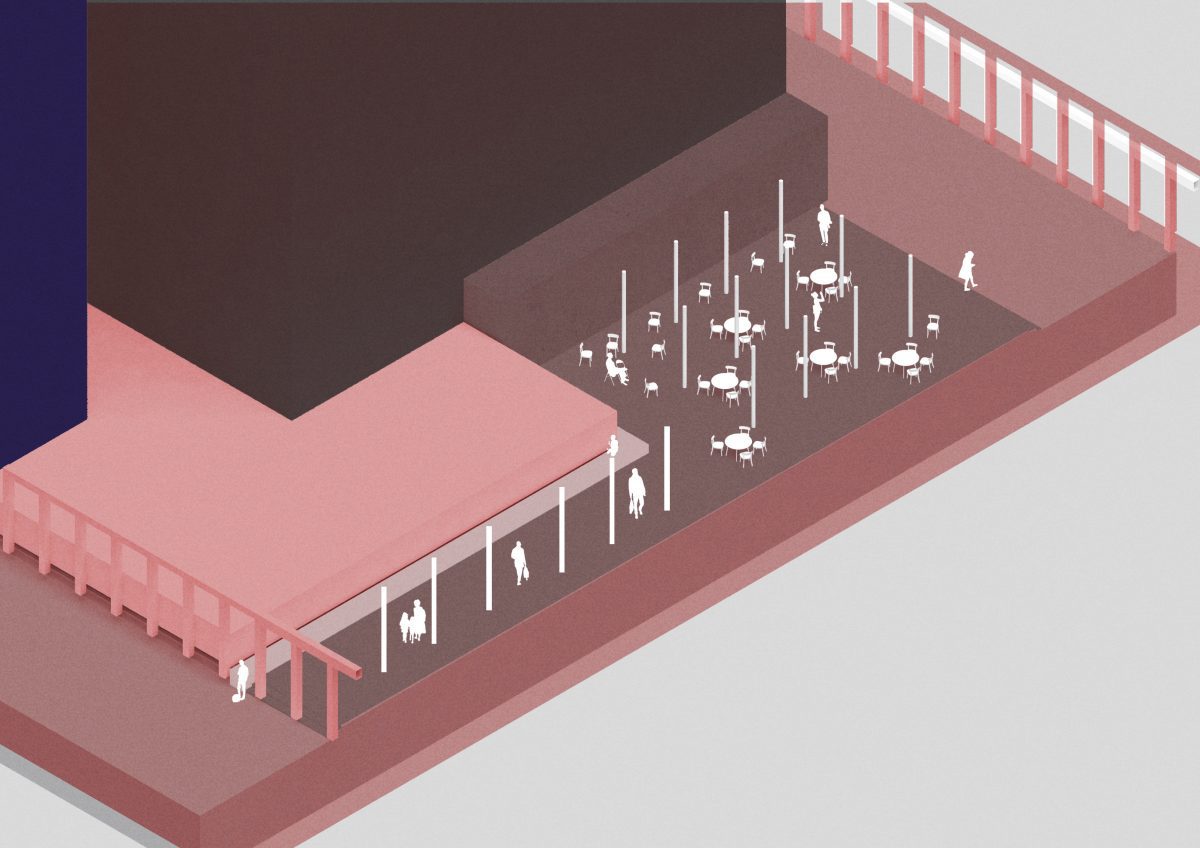
Tom’s drawing for Urban Studies, which focused on the London Borough of Southwark