

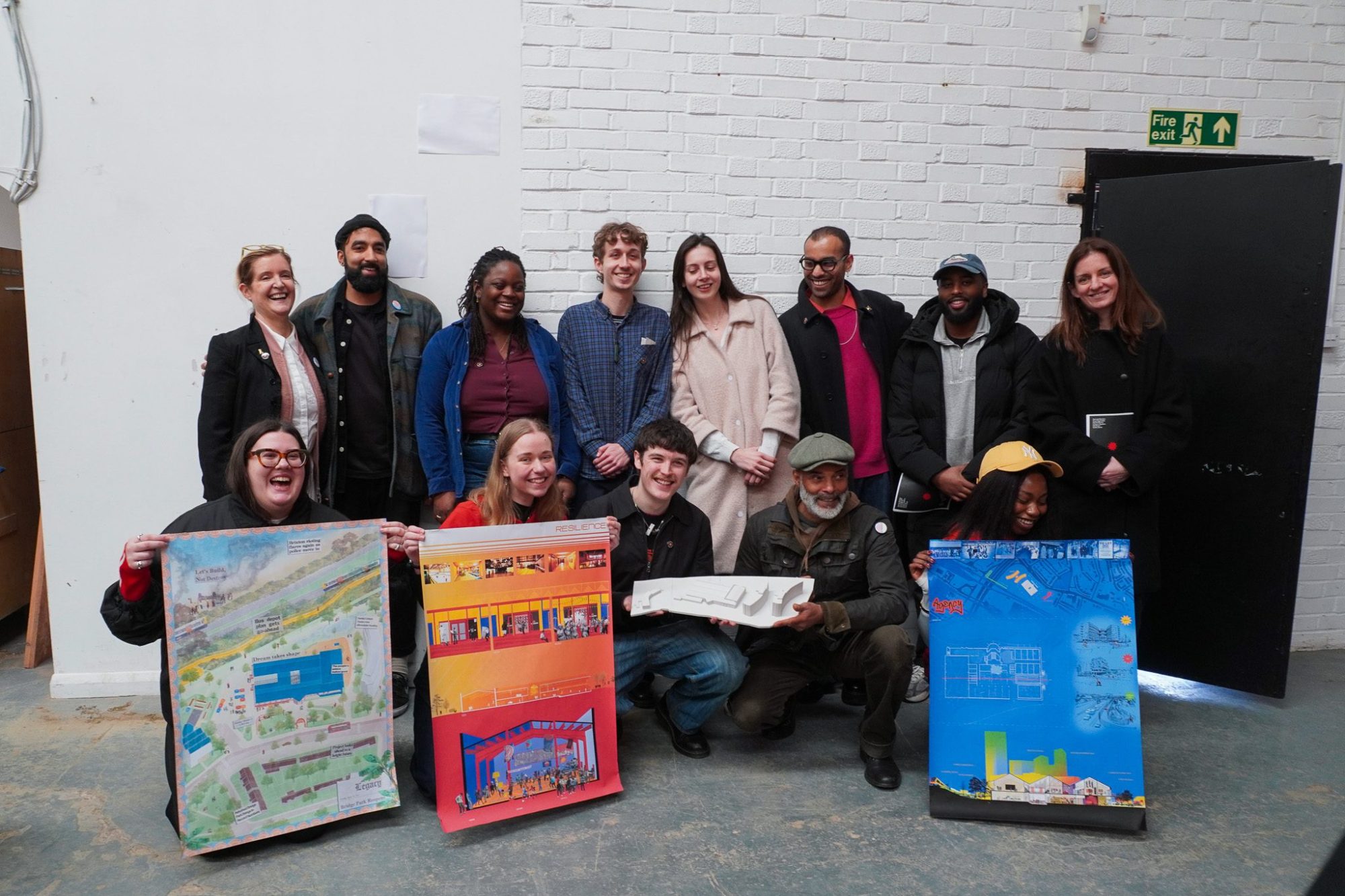
The Design Think Tank first-year module generates creative design propositions informed by rigorous research aimed at addressing tangible built environment issues in London, led by Dr Nicola Antaki.
Each year the London School of Architecture (LSA) selects a shortlist of DTT topics to be studied from suggestions made by the LSA Practice Network. The study topics suggested are ones that require urgent consideration in contemporary practice, revolving around innovative thinking and design proposals that will generate significant social and environmental progress and beneficial urban change. Students elect to work on one of the shortlisted study topics in collaborative groups, led by practitioners from the practice that suggested the study topic.
Thank you to practices and guests who supported our students throughout the module:
Peter van der Zwan (Brent Council), John Stiles (Brent Council), Aisling Rogers (Brent Council), Richard Hay (Brent Council), Nabil Al Kinani (LLDC), Rebecca Markus (Save Bridge Park), Kaiyil Gnanakumaran (OPDC) and Becky Miller (OPDC), Una Haran (OPDC), Seyi Brown (DSDHA), Jonathan Law (DSDHA), Jason Sam (DSDHA), Steve Fox (Manolo & White), Daniel Ovalle-Costal (UCL), Alicia Pivaro (LSA Fellow), Hugh Strange (LSA Techtonics Module leader), Ruth Lang (LSA Head of Part 2 Programme) and Lee Ivett (LSA Head of School).
HIGH STREETS: RADICAL ADAPTATION, FROM ECONOMY TO COMMUNITY
Practice: Greater London Authority (Cristina Gaidos and Tim Rettler)
LSA tutor: Emily Dew-Fribbance
LSA students: Alecsia Munteanu, Ben Suckling, Gabrielle Ferreira Dias, India Salter, Mikele Perez-Jamieson, Norman Fong
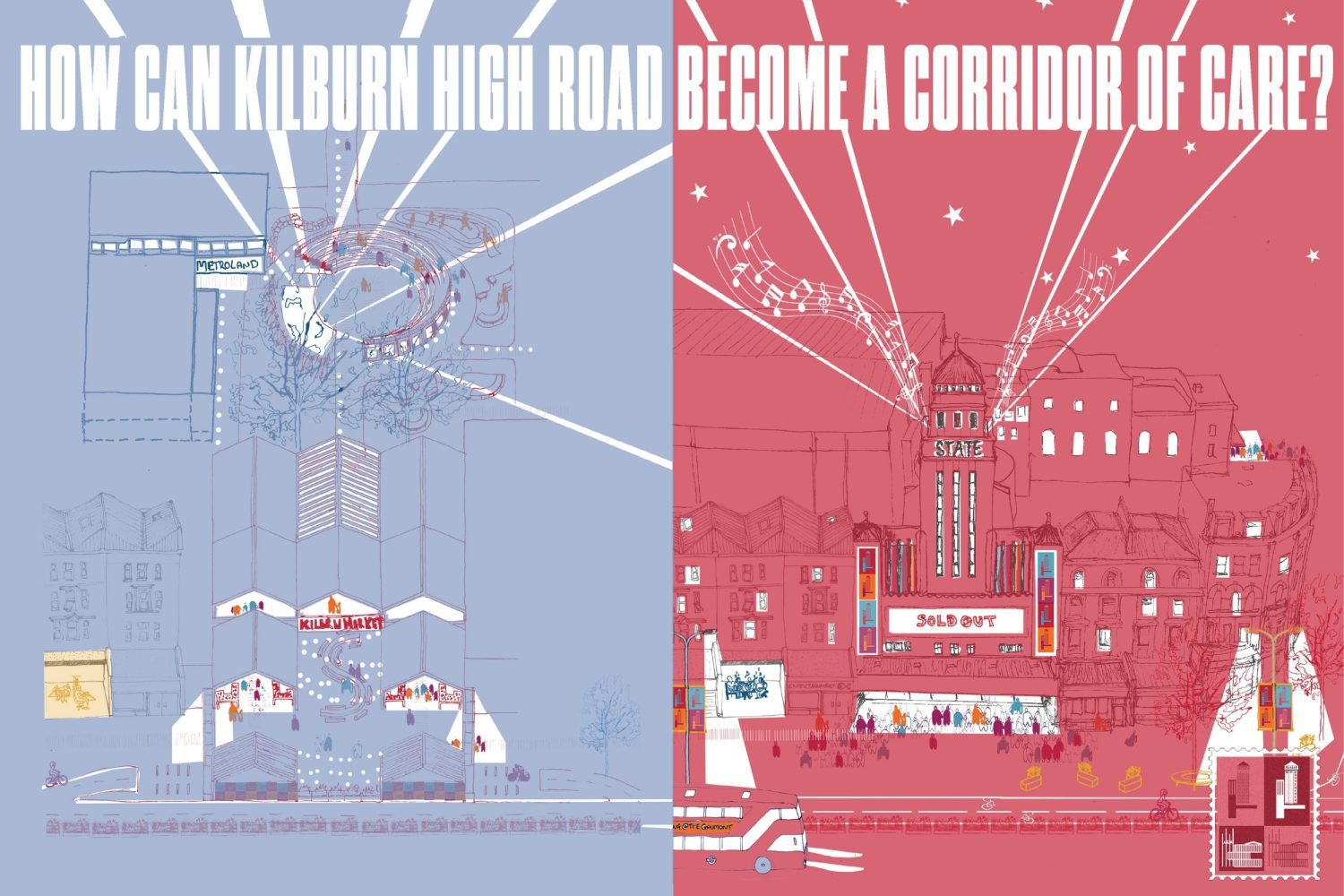
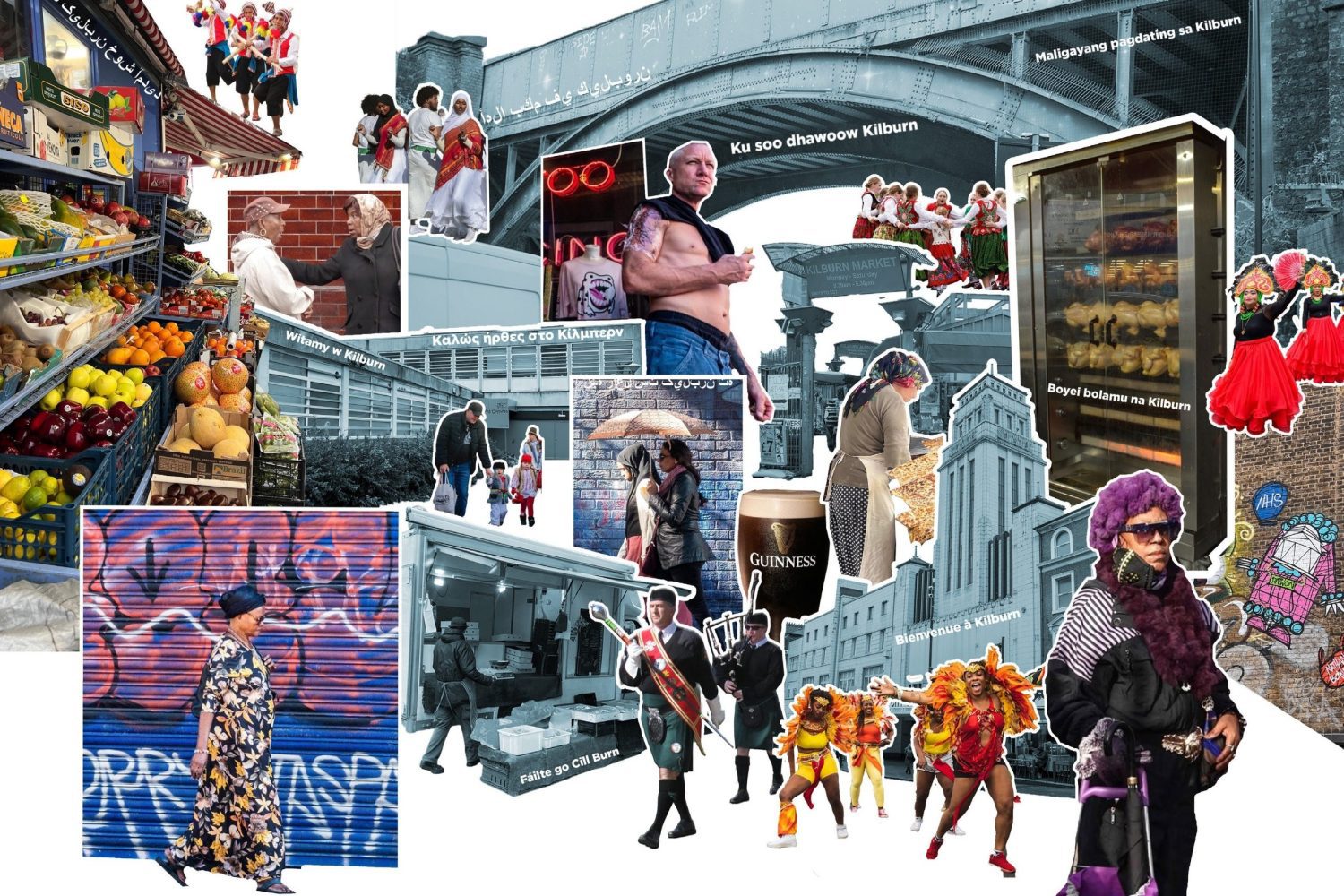
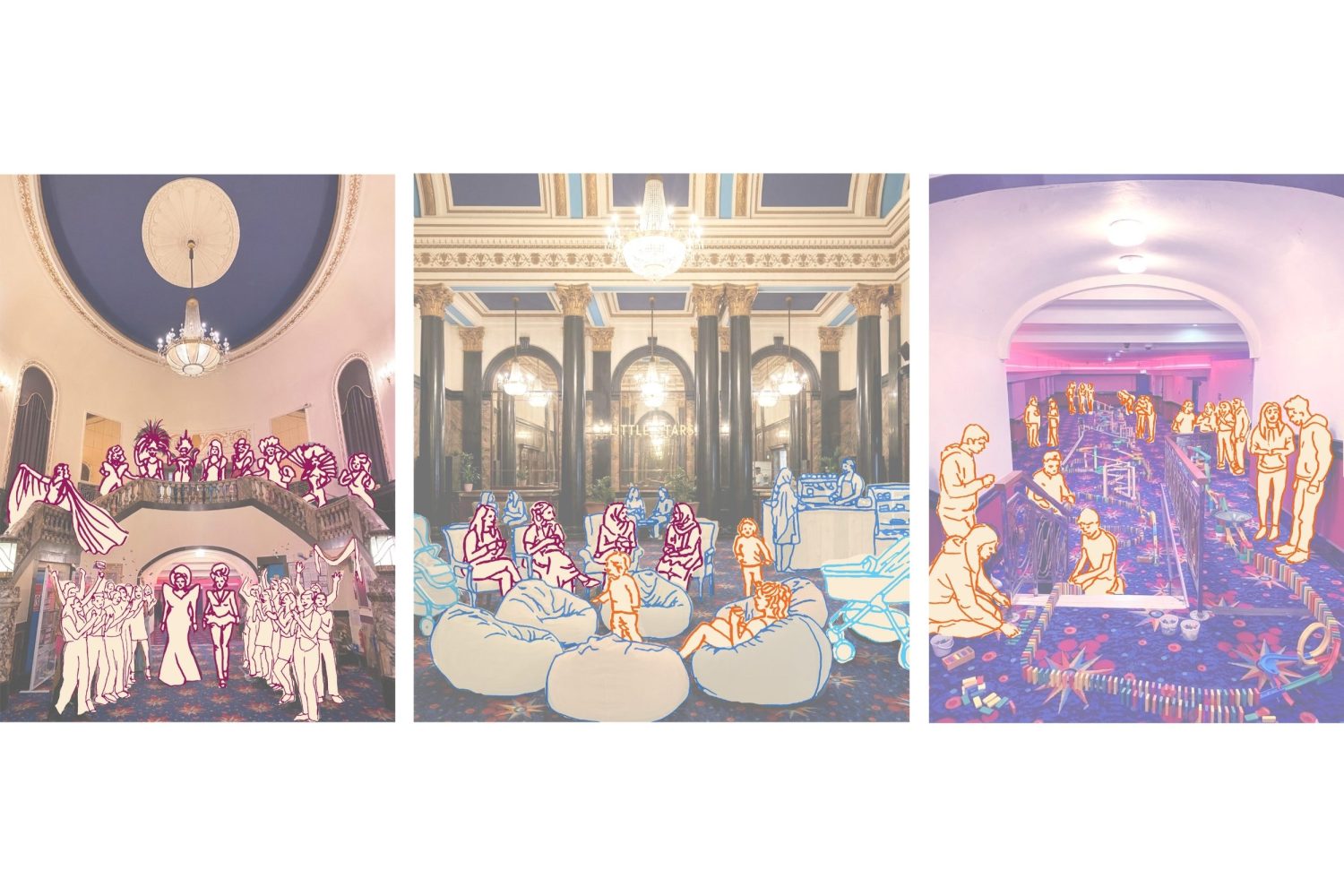
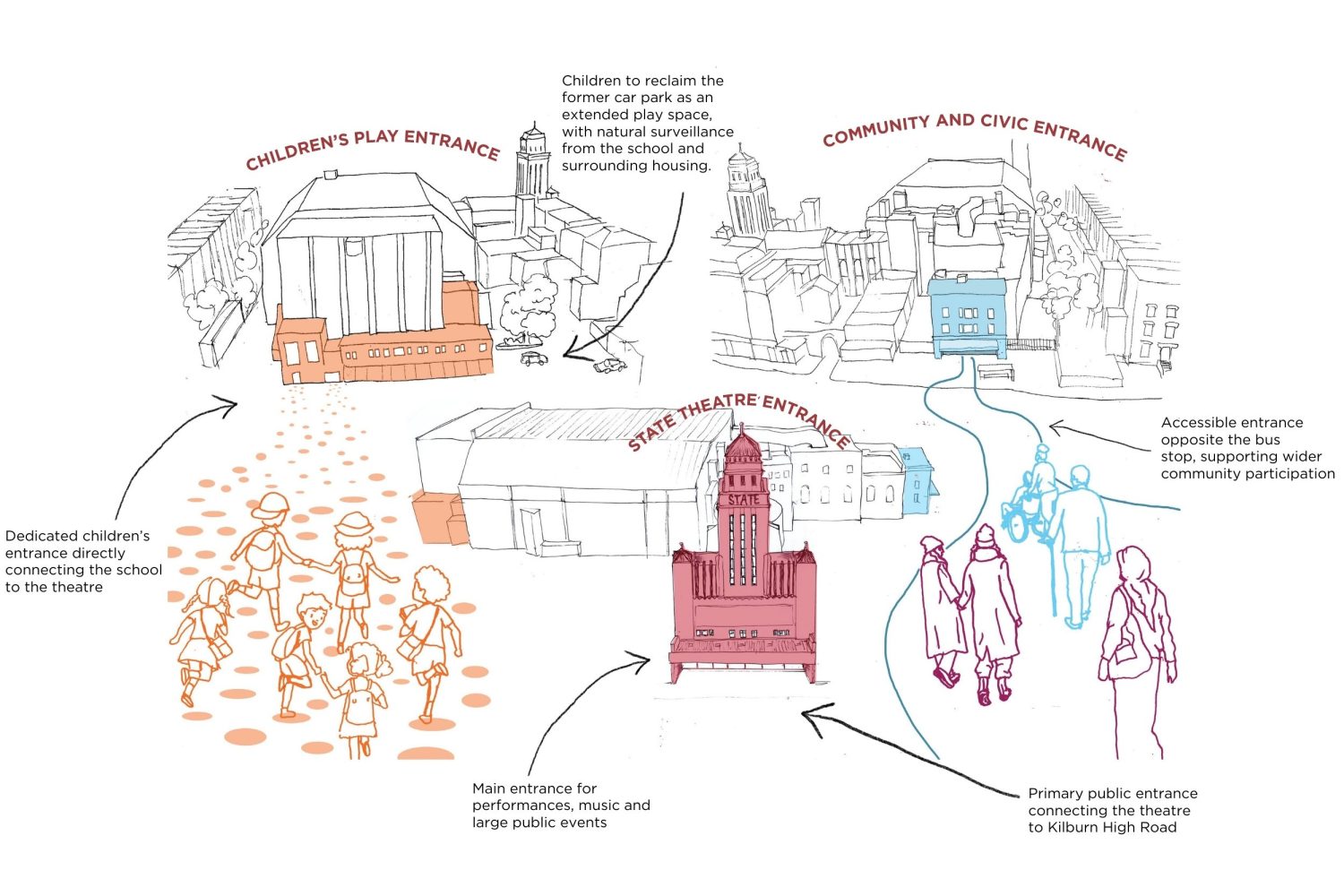
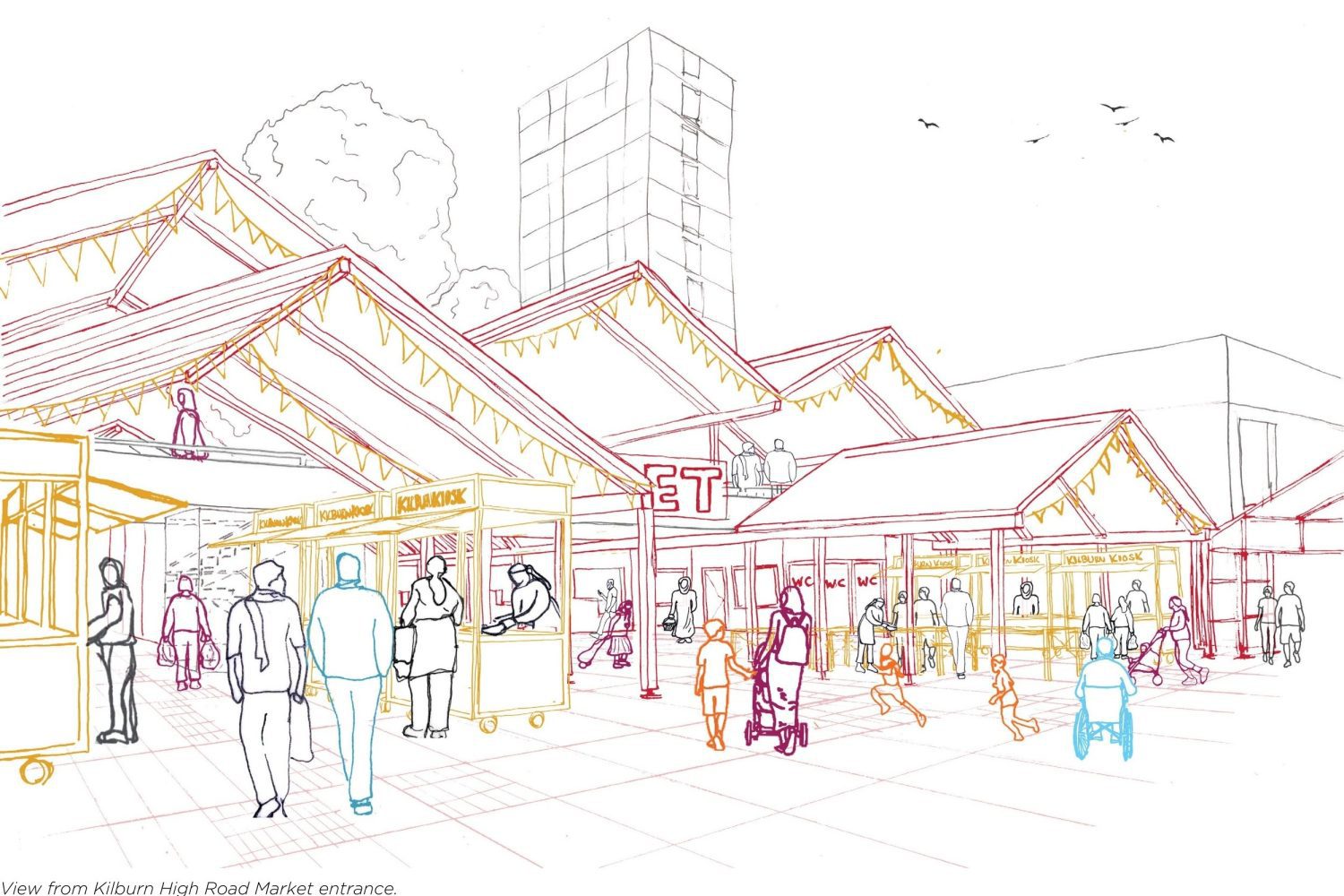
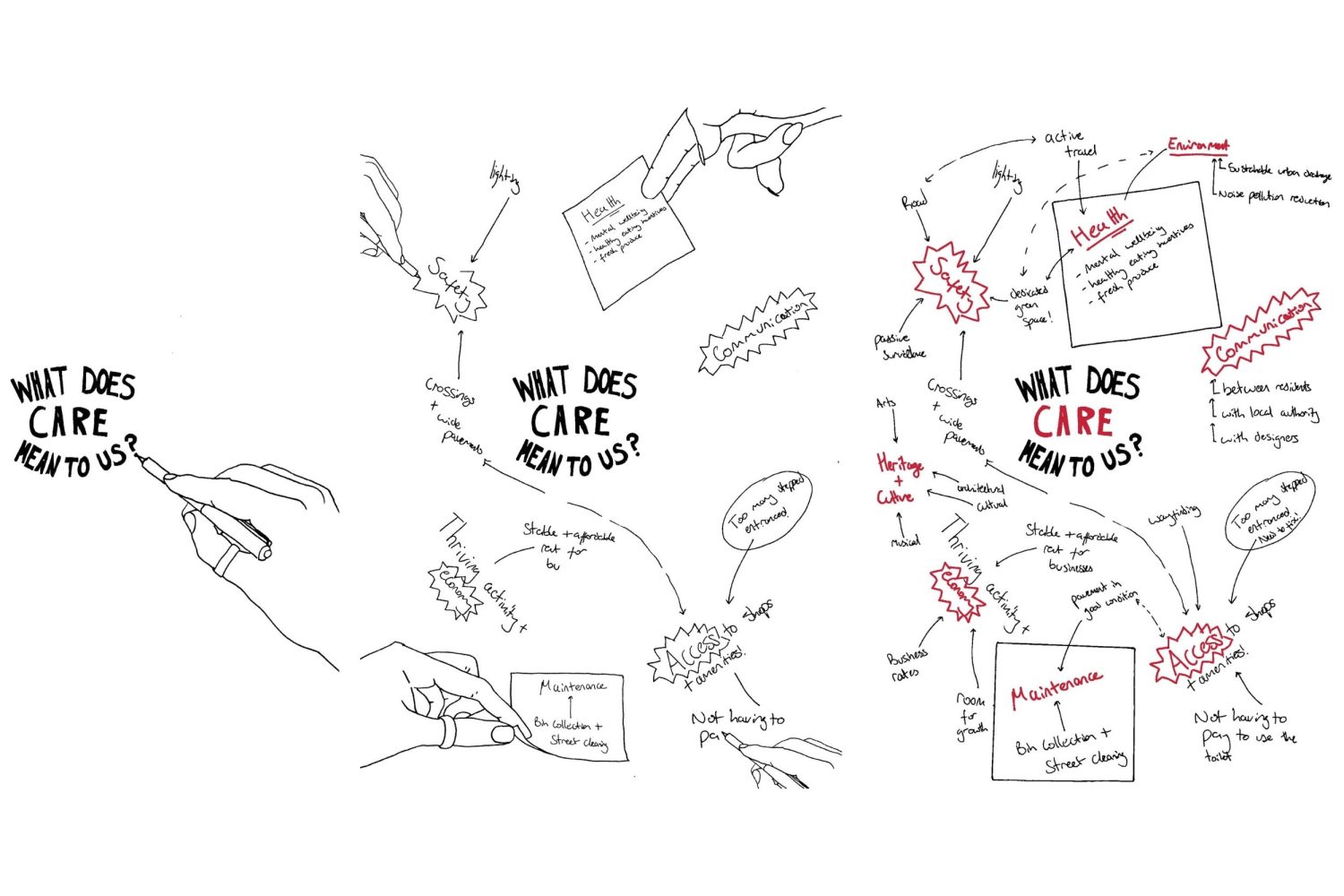
In this Design Think Tank module we explore how a “corridor of care” can support both Kilburn High Road and its users, while addressing broader challenges of high street regeneration across London. With 90% of Londoners living within a 10-minute walk of a high street, the need for empathetic and inclusive design is critical.
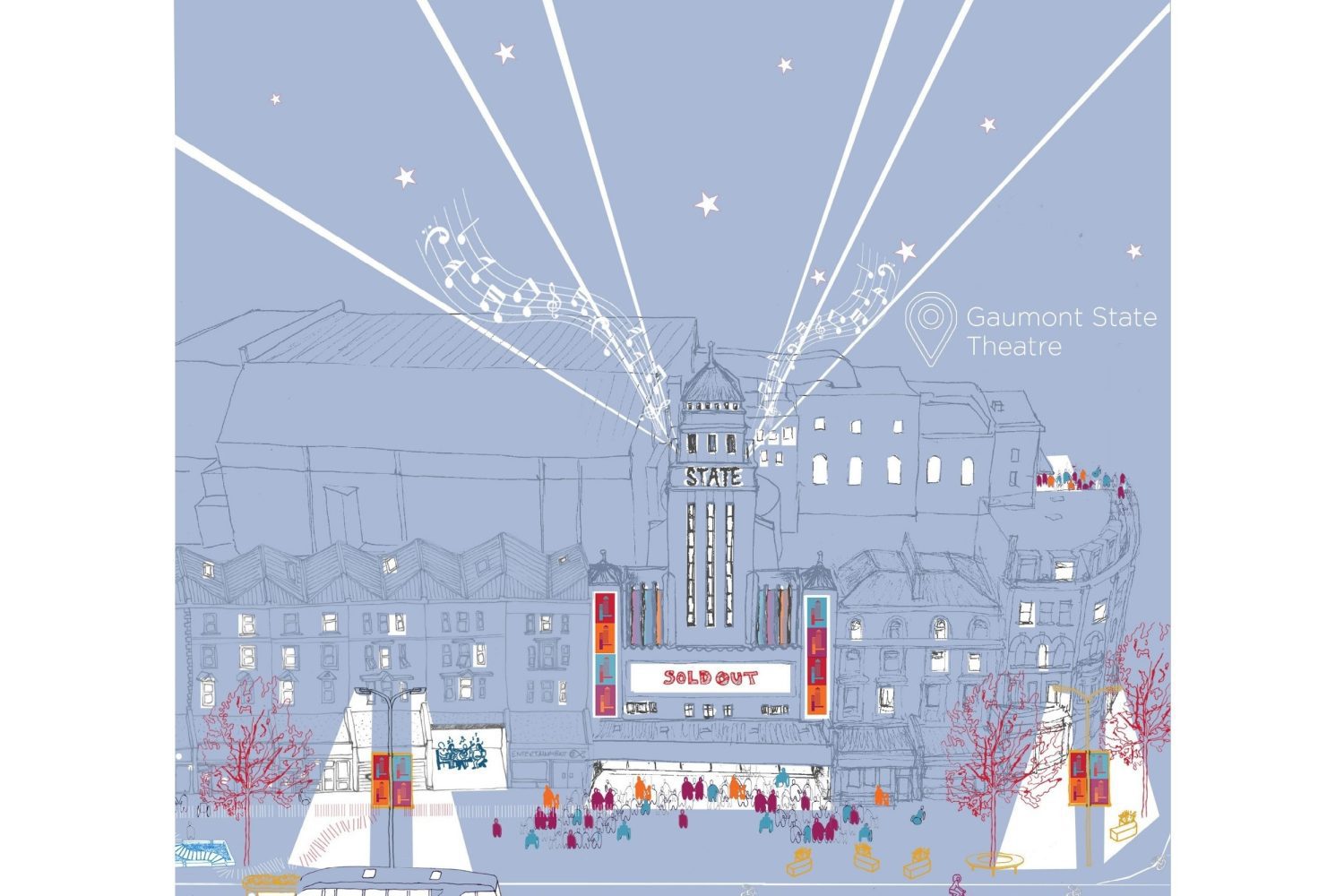
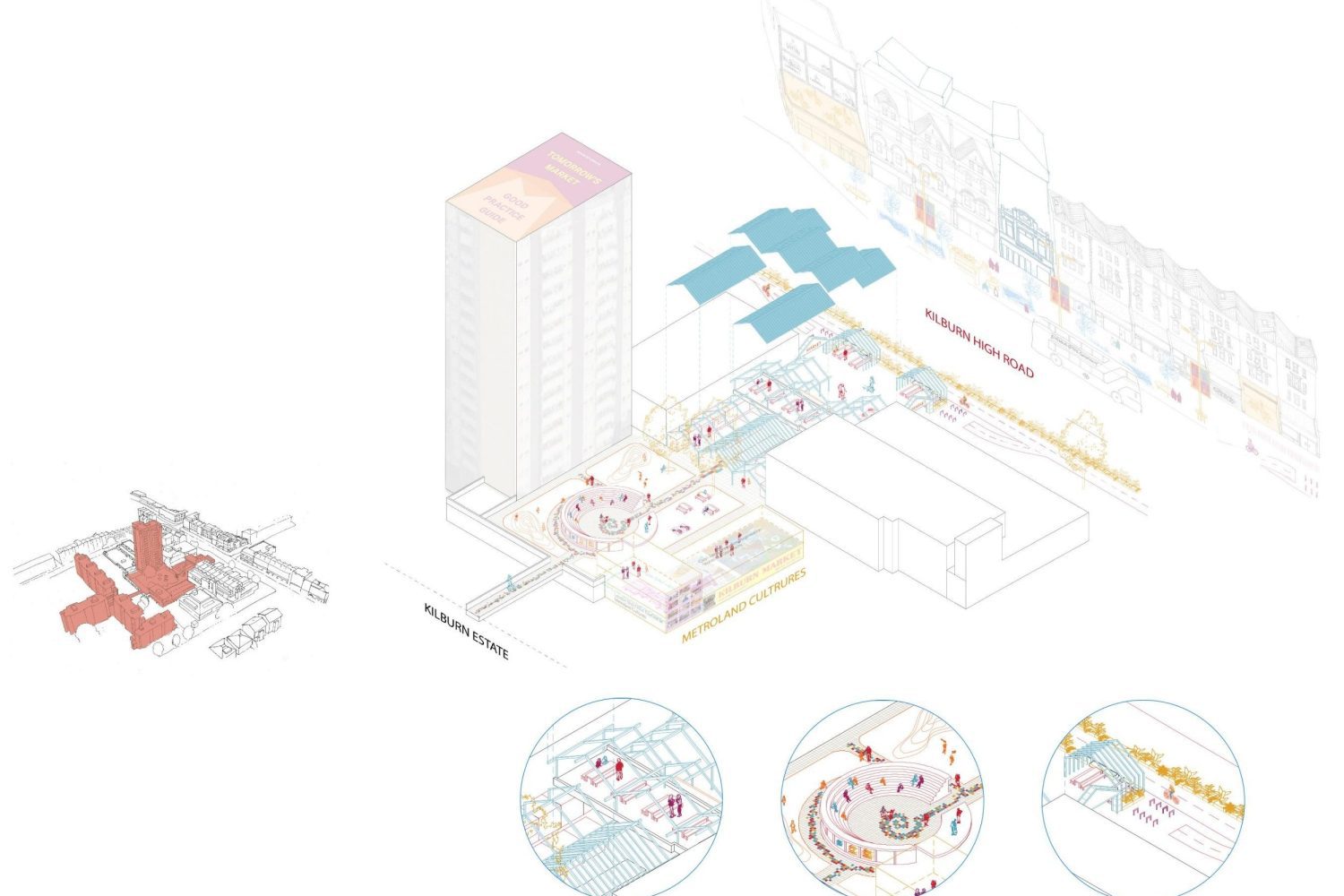
Our research was applied through three lenses drawn from the Mayor of London’s Good Growth by Design documents ‘Making London Child-Friendly’, ‘Safety in Public Space: Women, Girls, and Gender Diverse People’, and ‘Designing with Disabled Experience’. Applied to two key testbed sites with latent potential, namely The Gaumont State Theatre and Kilburn Market, we assessed current strengths and identified areas for improvement.
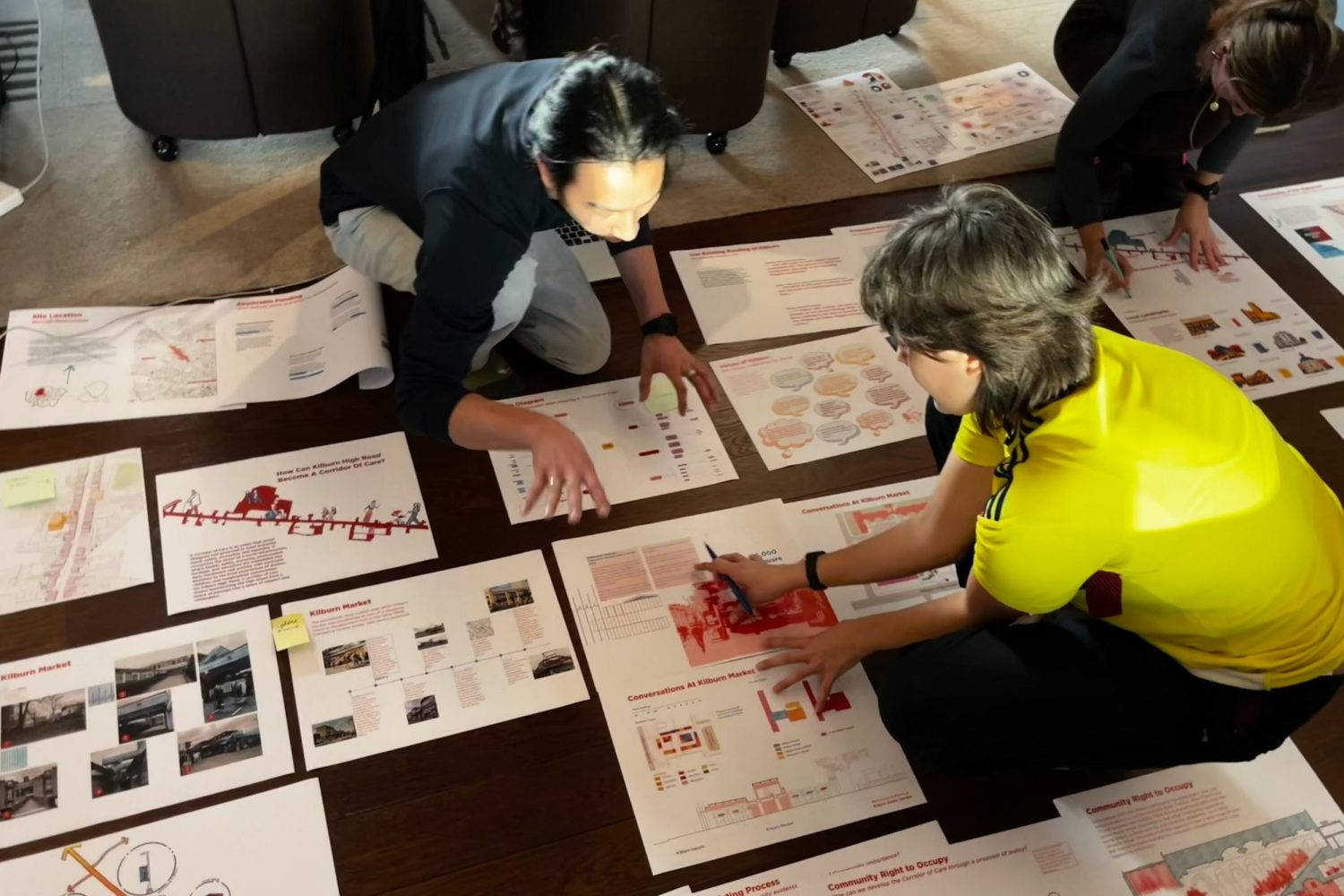
A mixed-method approach was used, combining place-based observations, text-based research, and people-based engagement. This process helped us to reach a collective understanding of Kilburn, leading to the research question: how can Kilburn High Road become a corridor of care?
In response, practical policy proposals and design schemes for both test sites and the wider high street were realised, grounded in real-world constraints.
LETS BUILD NOT DESTROY

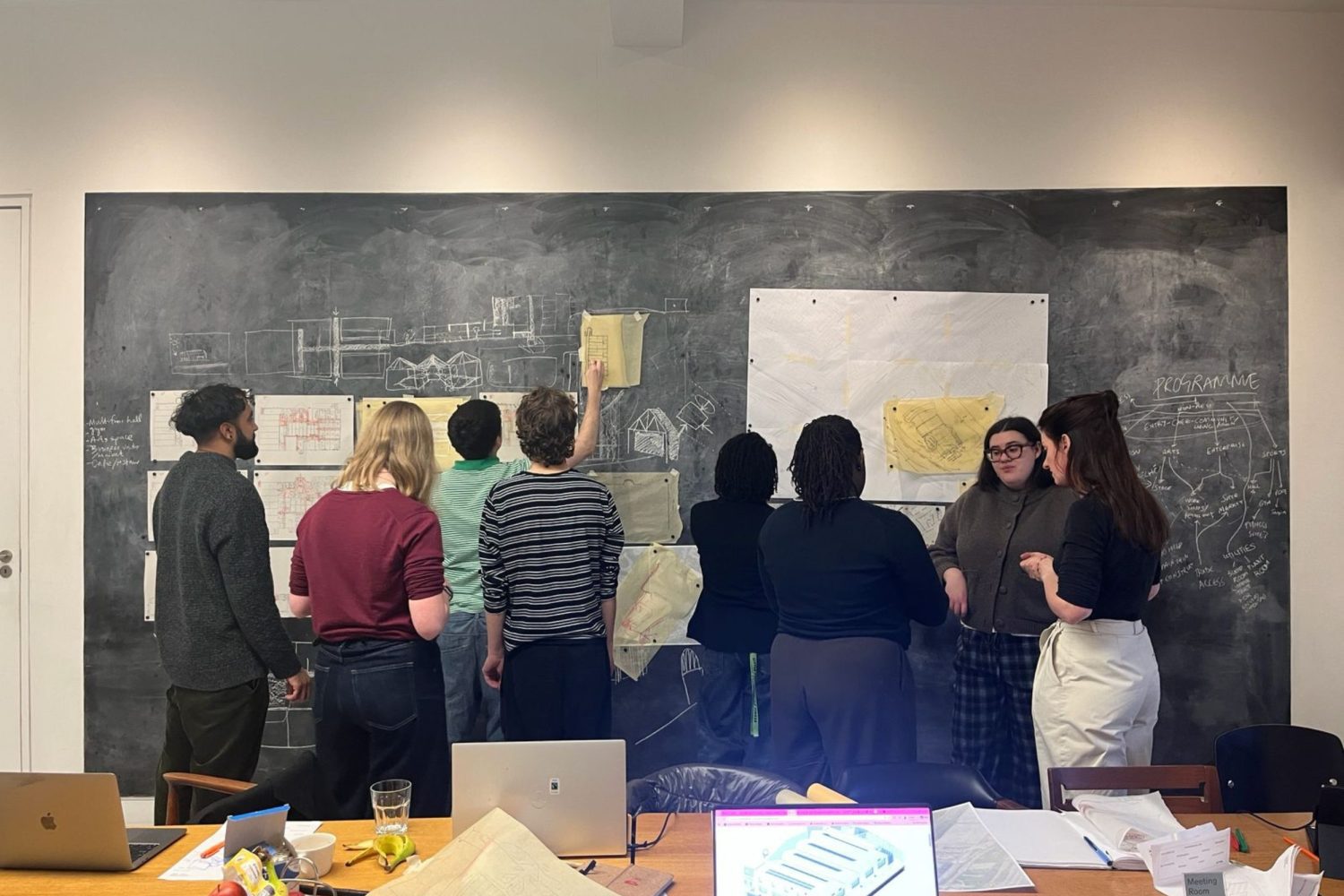
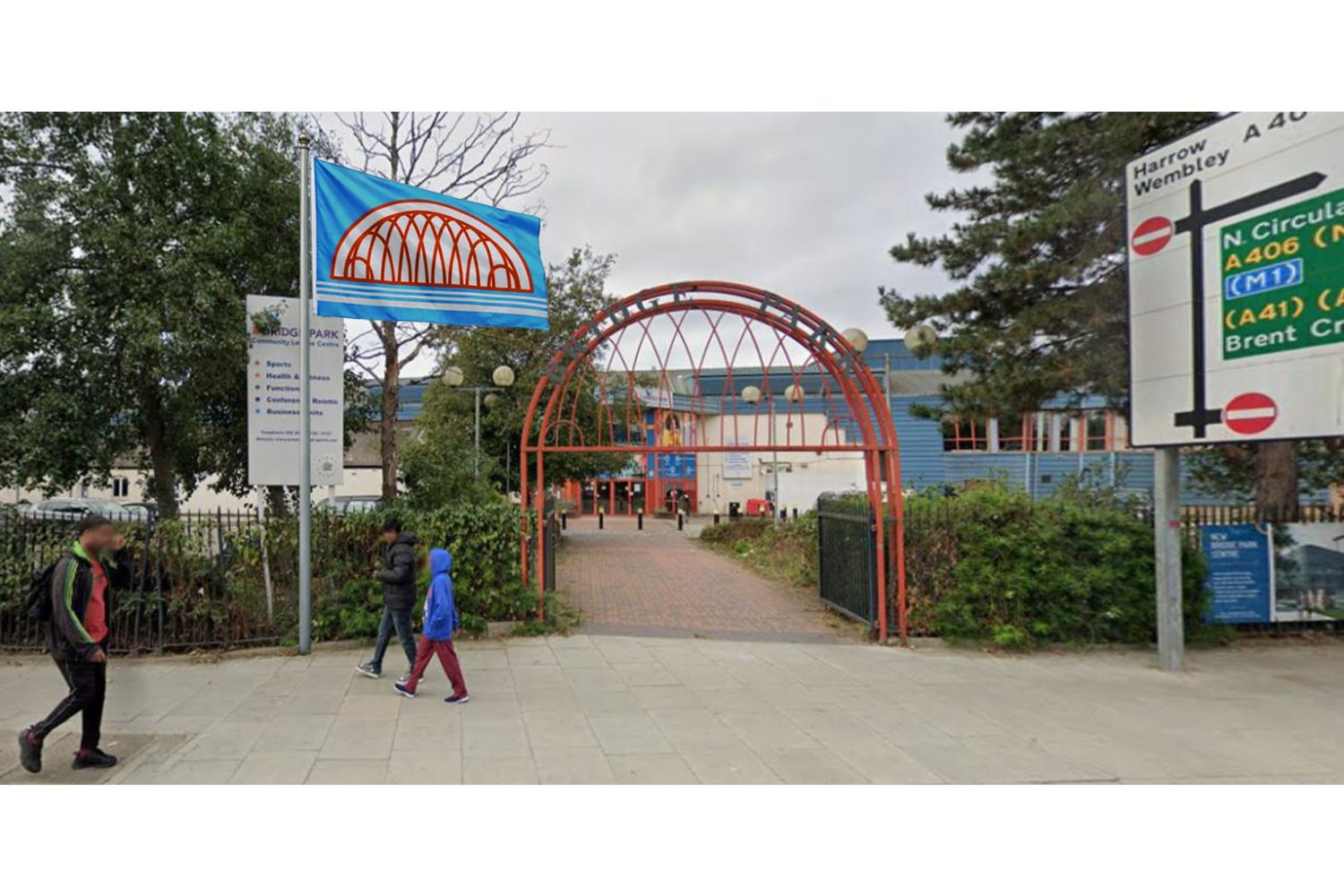
Practice: DSDHA (Deborah Saunt and Anne Wynne) Piercy & Co (Arinjoy Sen)
LSA tutor: Siraaj Mitha
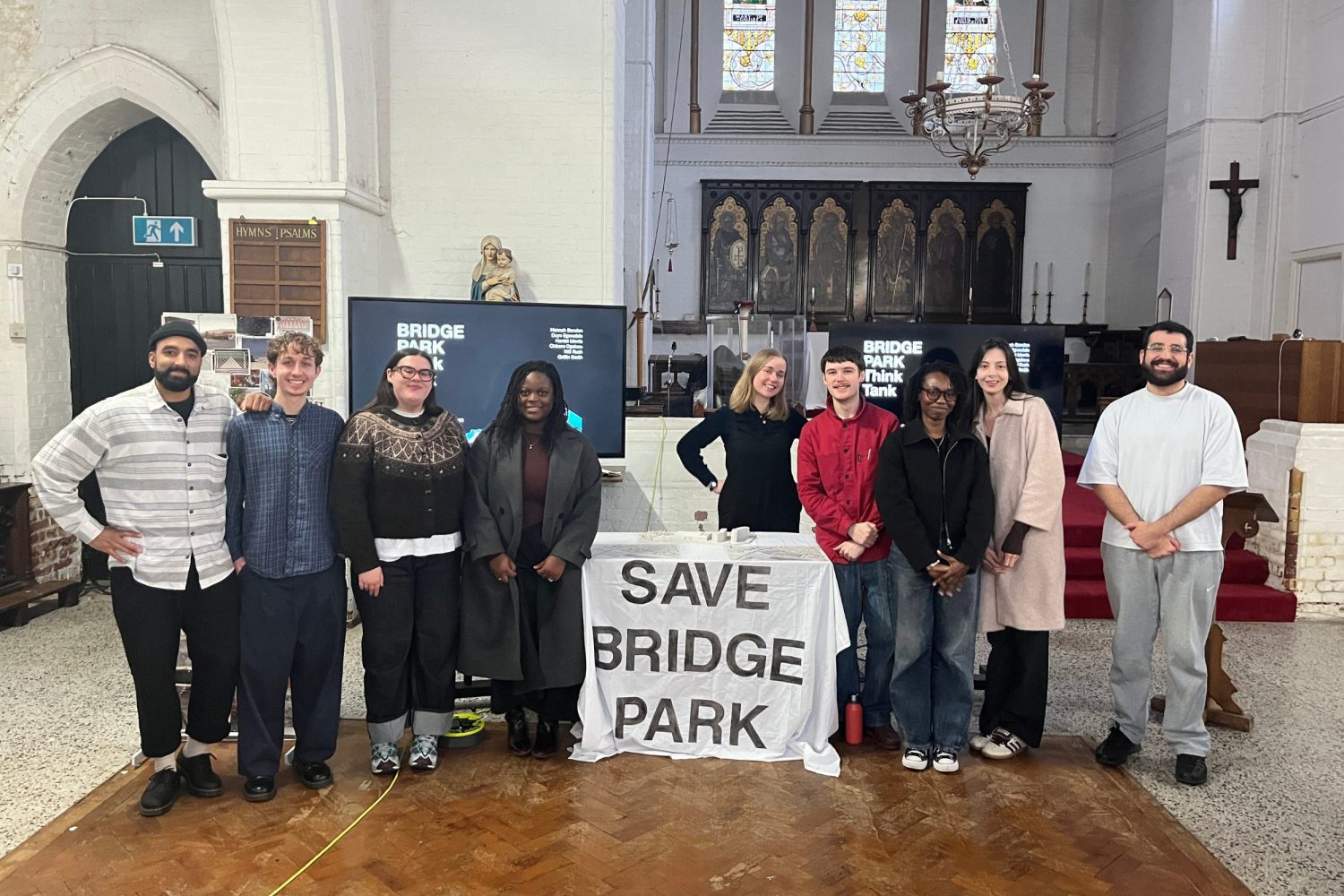
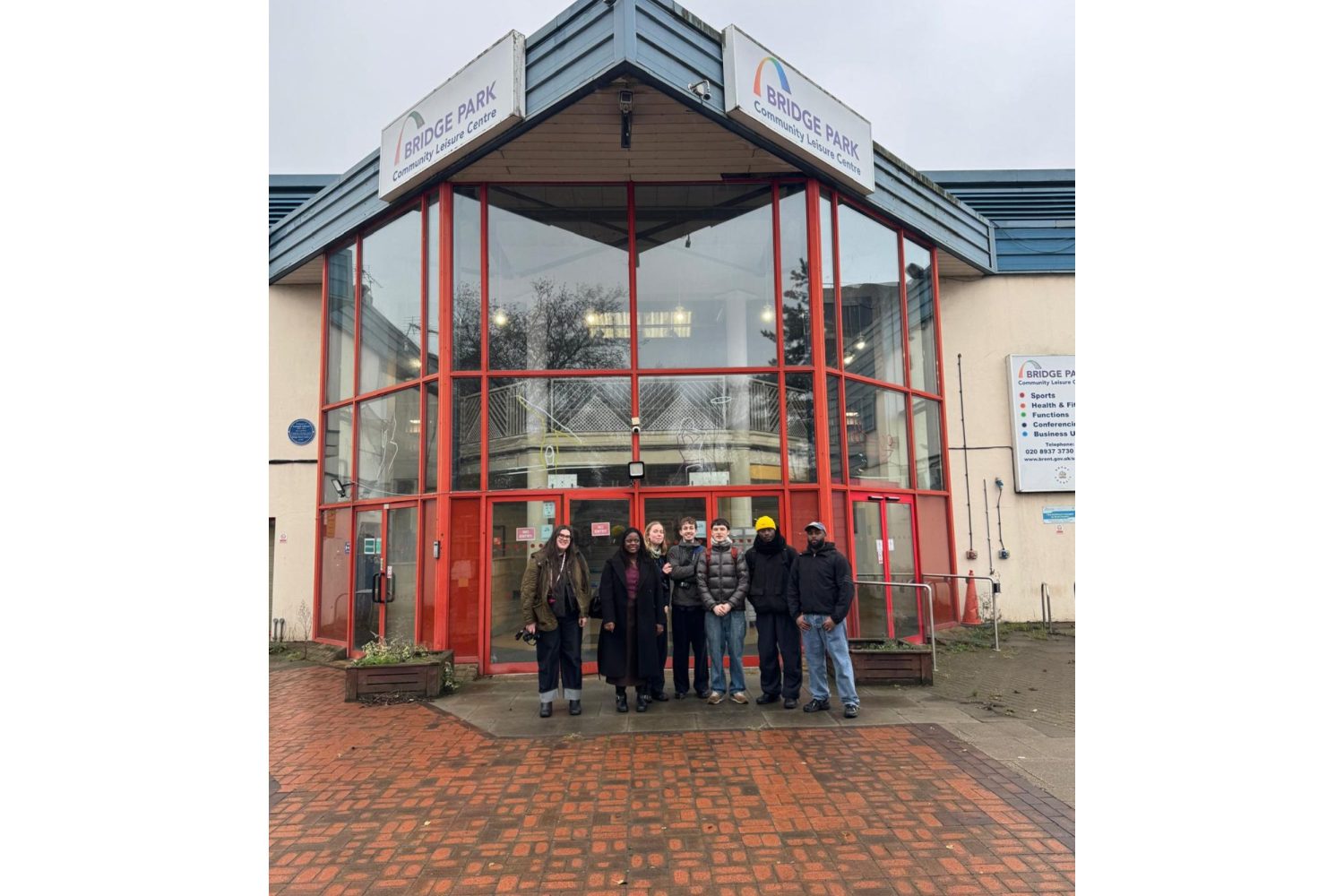
LSA students: Hannah Bendon, Duyo Egwudale, Harriet Morris, Chisom Ogakwu, Will Rush, Griffin Smith
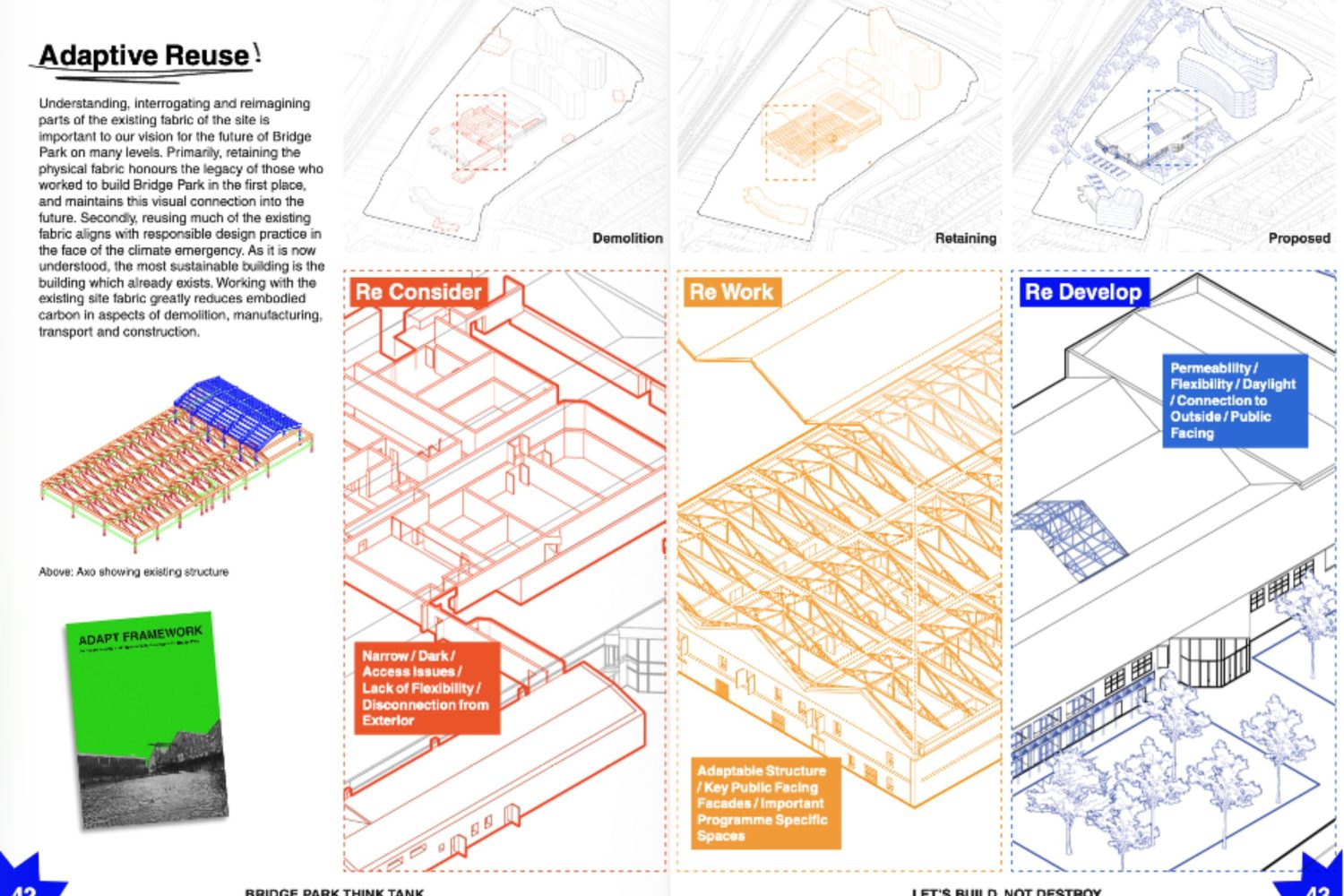
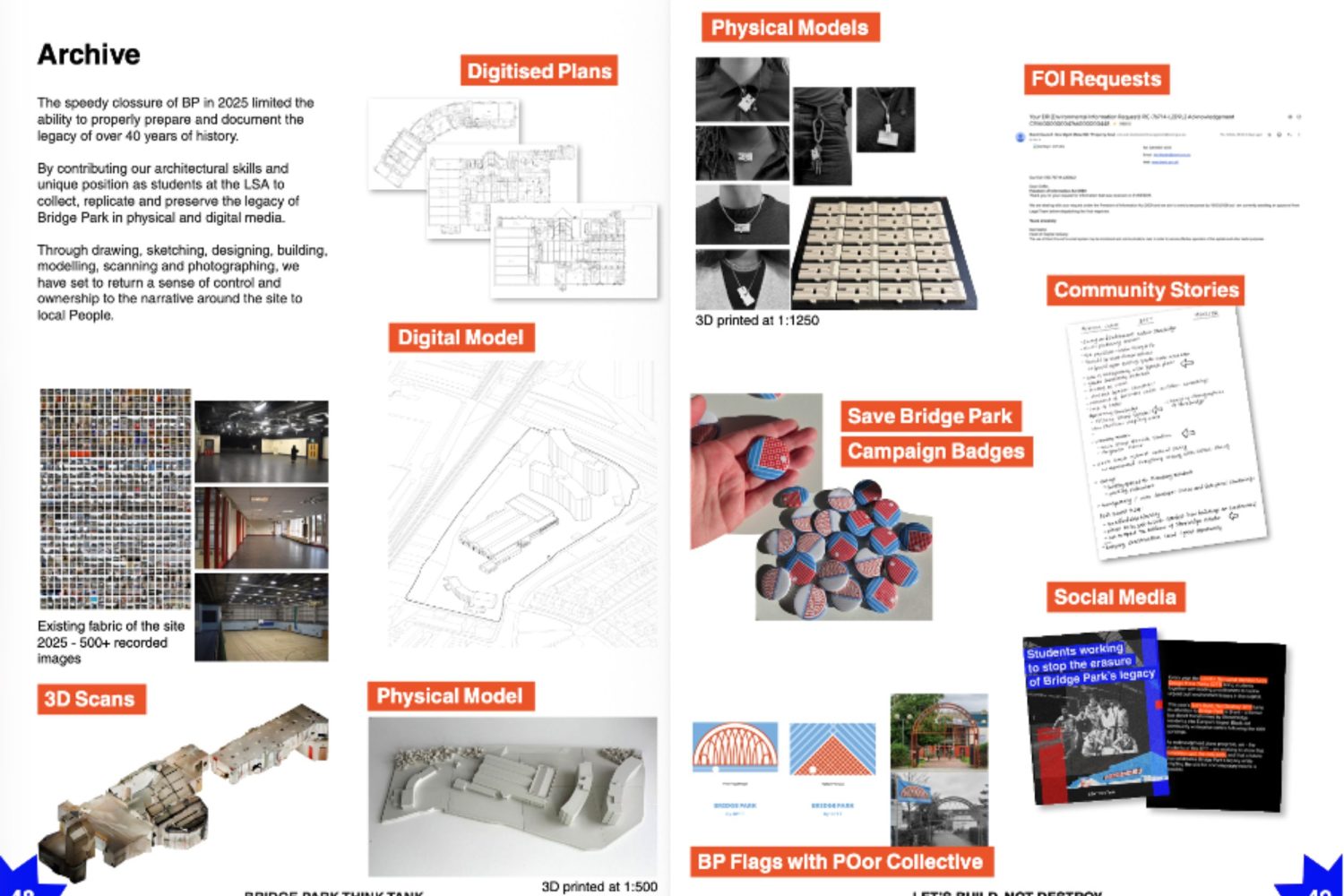
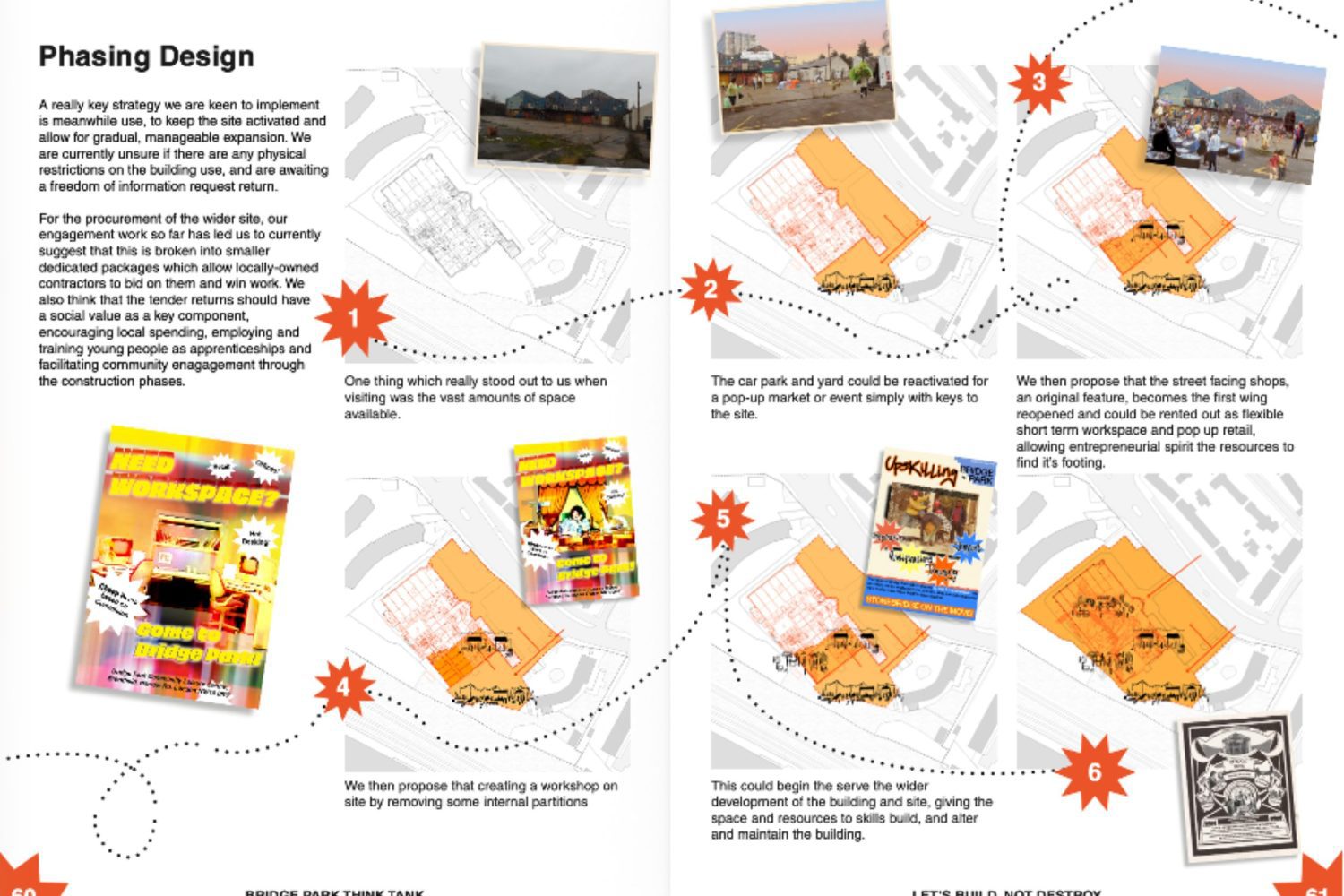
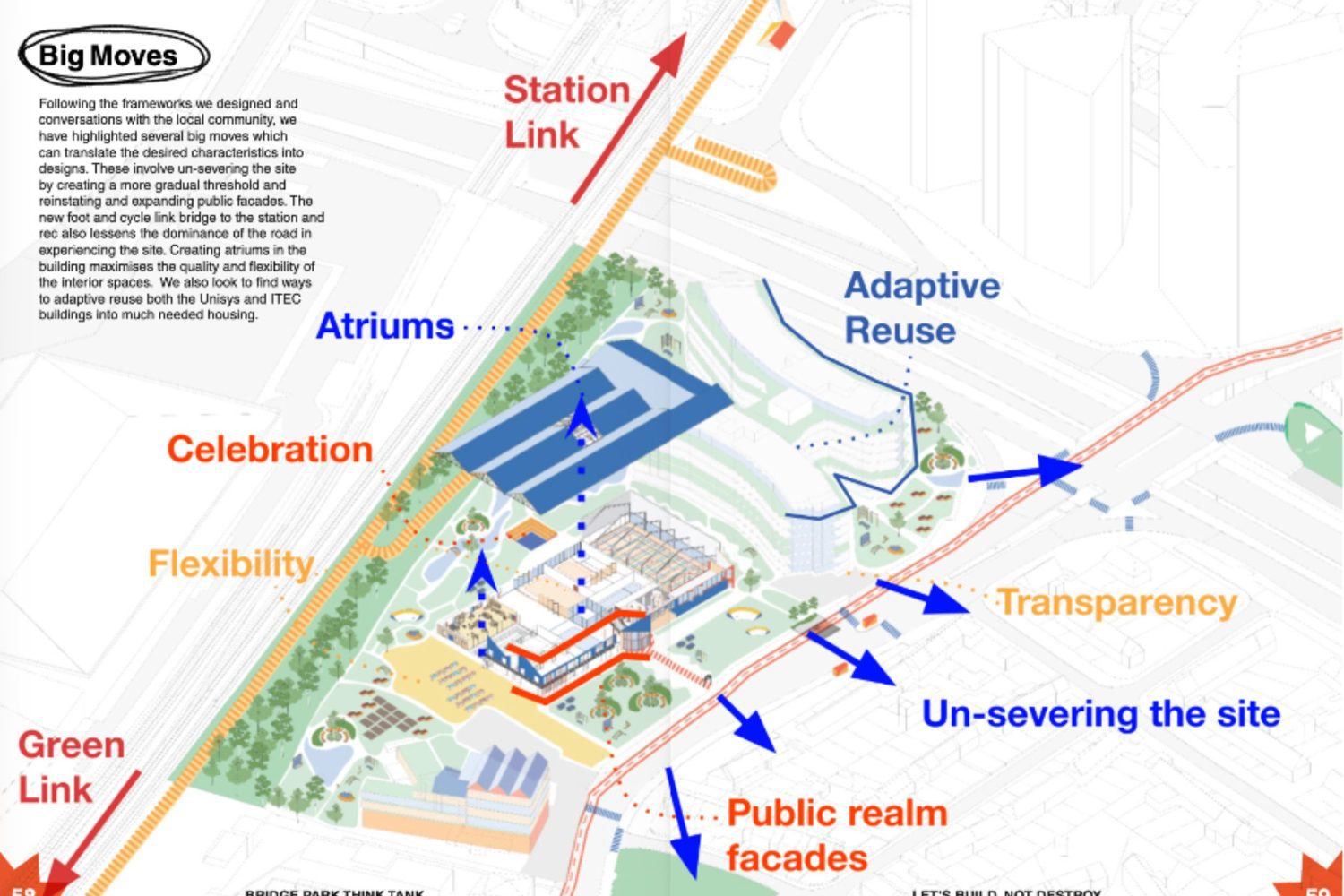
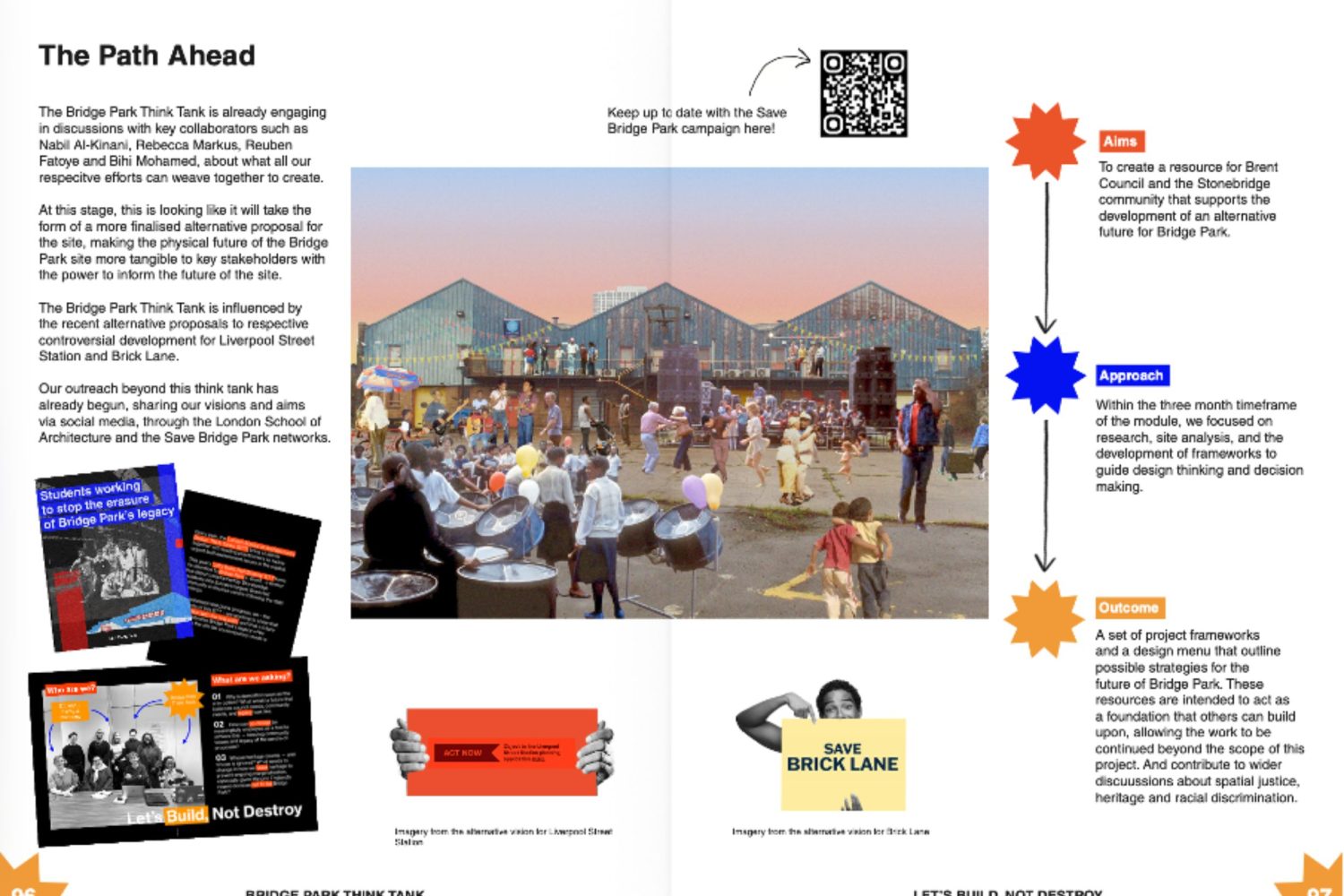
Bridge Park stands as a pioneering example of community agency and organisation in the face of systematic oppression. Built by the Harlesden People’s Community Council, Bridge Park transformed a former bus depot into Europe’s largest Black-led community enterprise.
The lessons and experiences from Bridge Park’s over four decades are a valuable piece of Black British, and specifically Stonebridge’s history. This legacy is at direct and immediate risk of erasure via private development proposals for complete site-wide demolition.
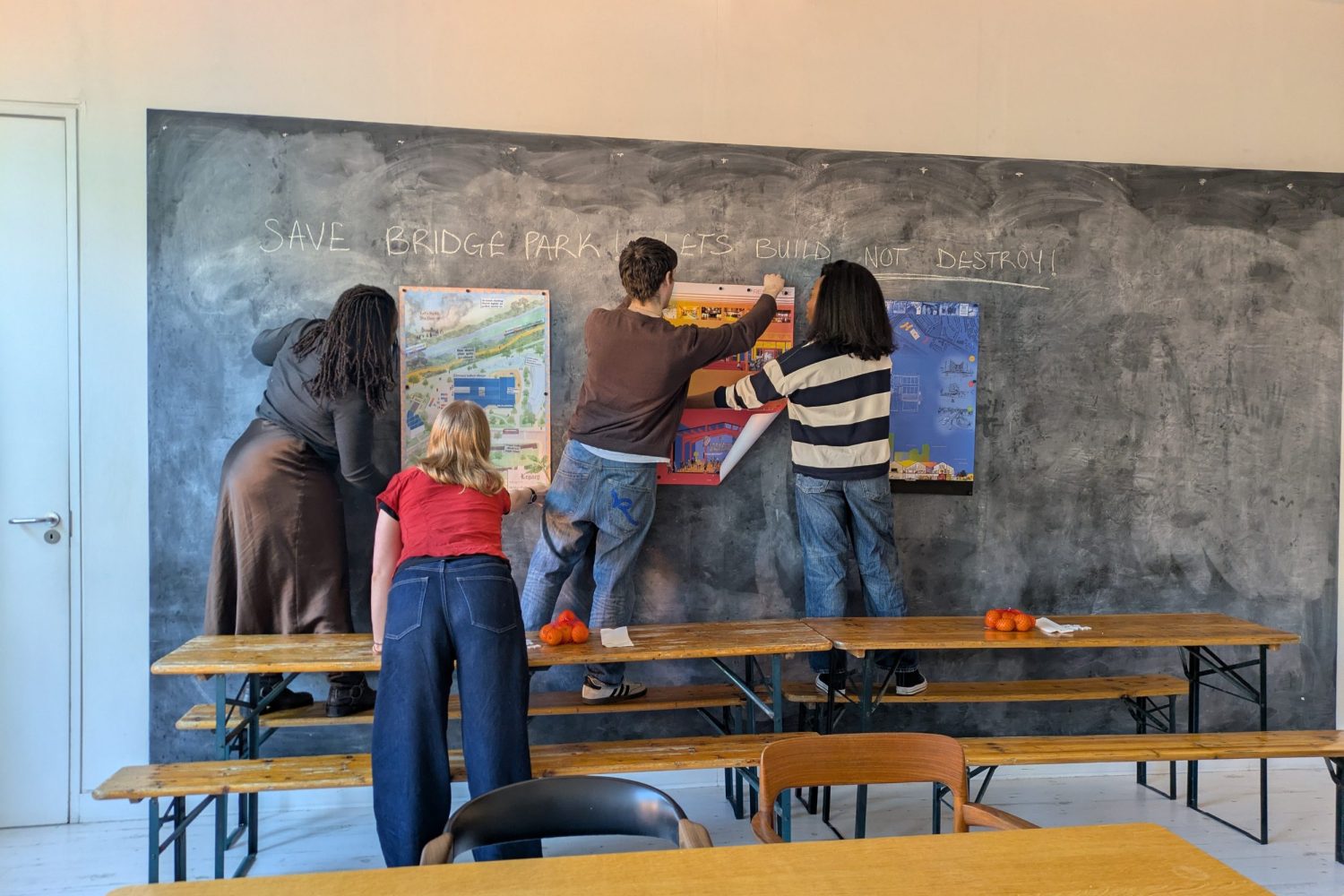
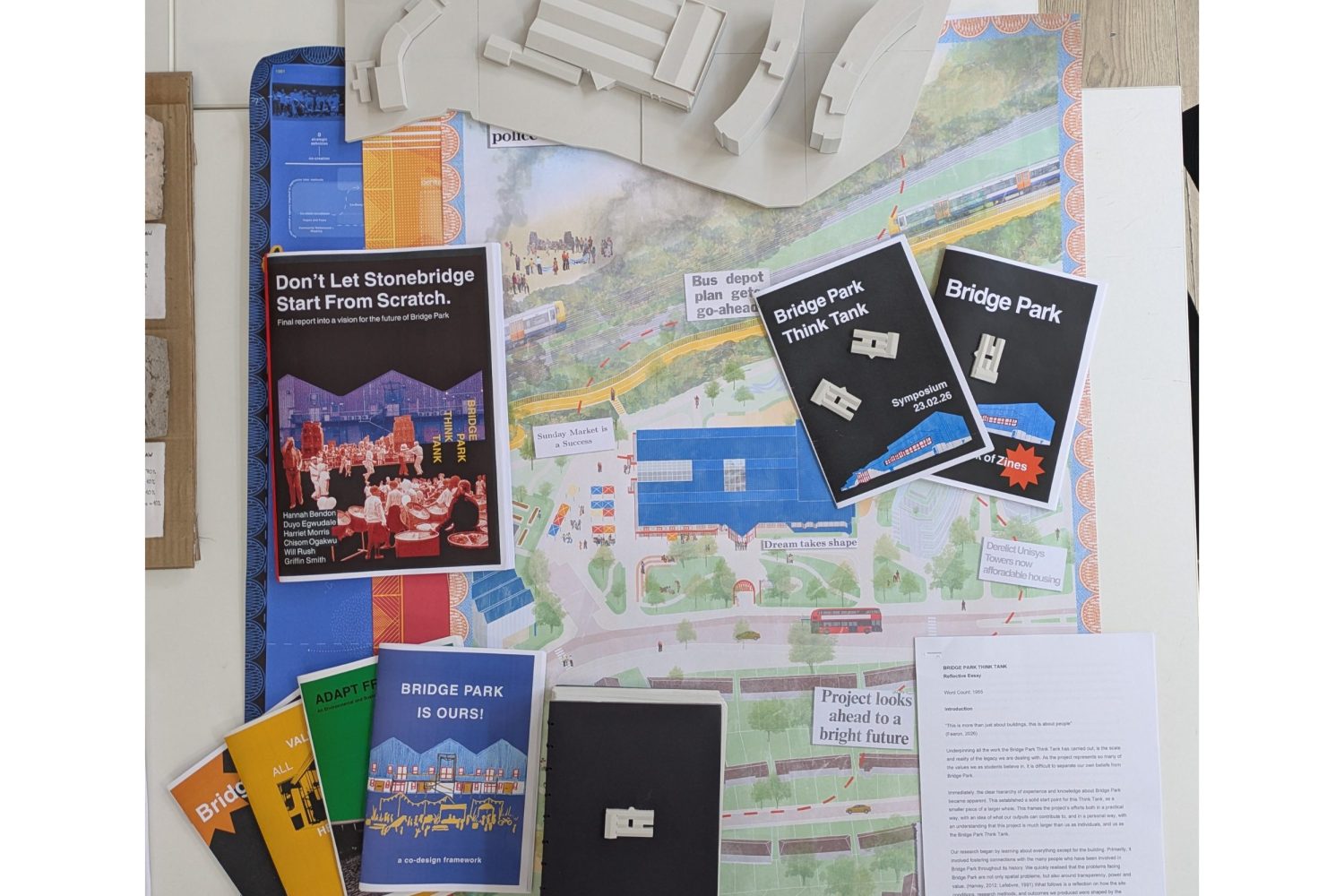
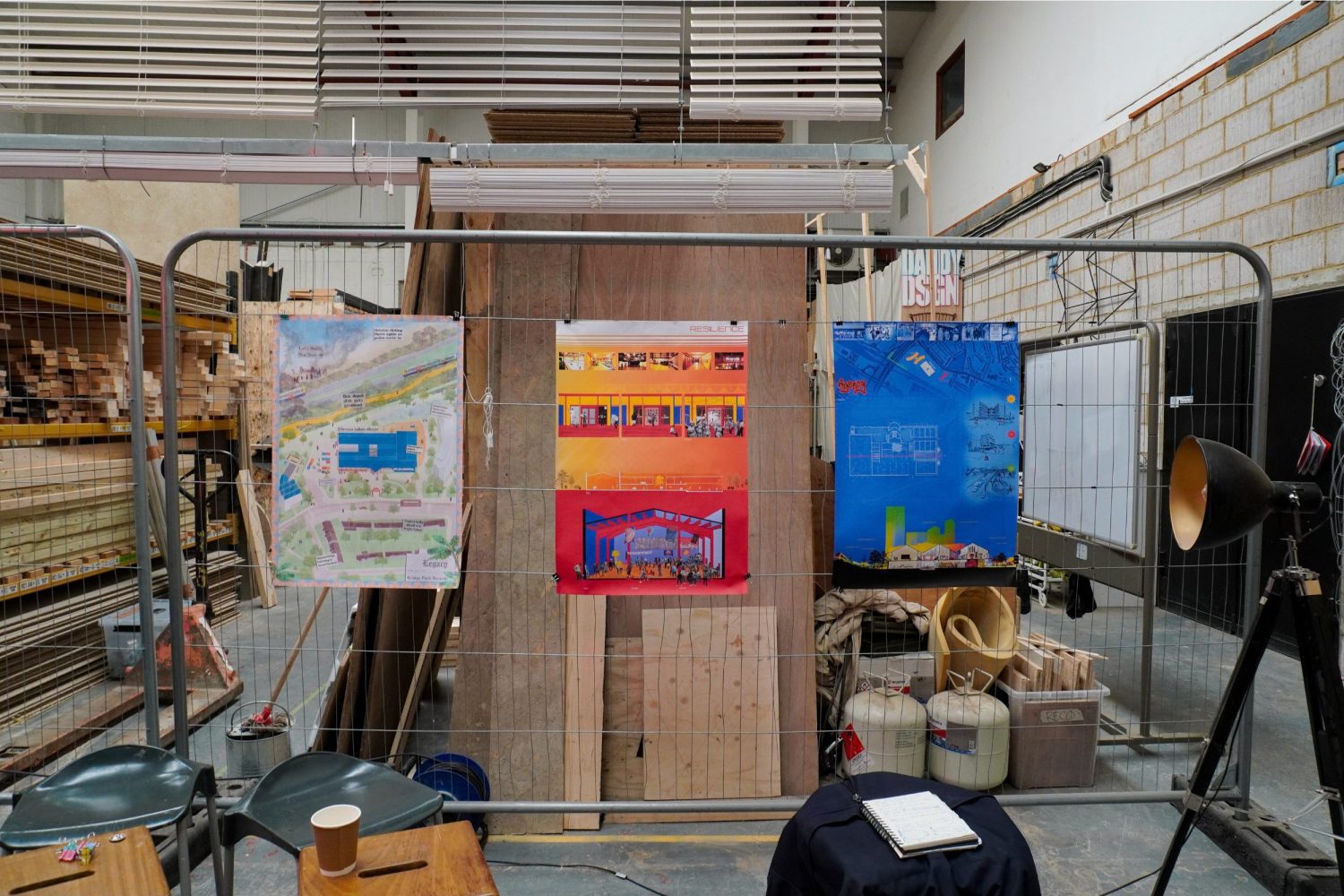
The 6 of us, as Bridge Park Think Tank (BPTT), are using our time and efforts as a vessel to further Bridge Park’s cause. This project is much larger than ourselves as individuals, and is setting the groundwork for an appropriate and empowering future for Stonebridge. Our policy and design proposals centre around 3 key themes;
Legacy – Acknowledging, Celebrating and furthering Bridge Park’s history.
Resilience – Designing-in safeguards to allow the scheme to grow and respond to future challenges.
Agency – Transferring the power to local people to design, create and shape their own space in Stonebridge.
NATURE POSITIVE
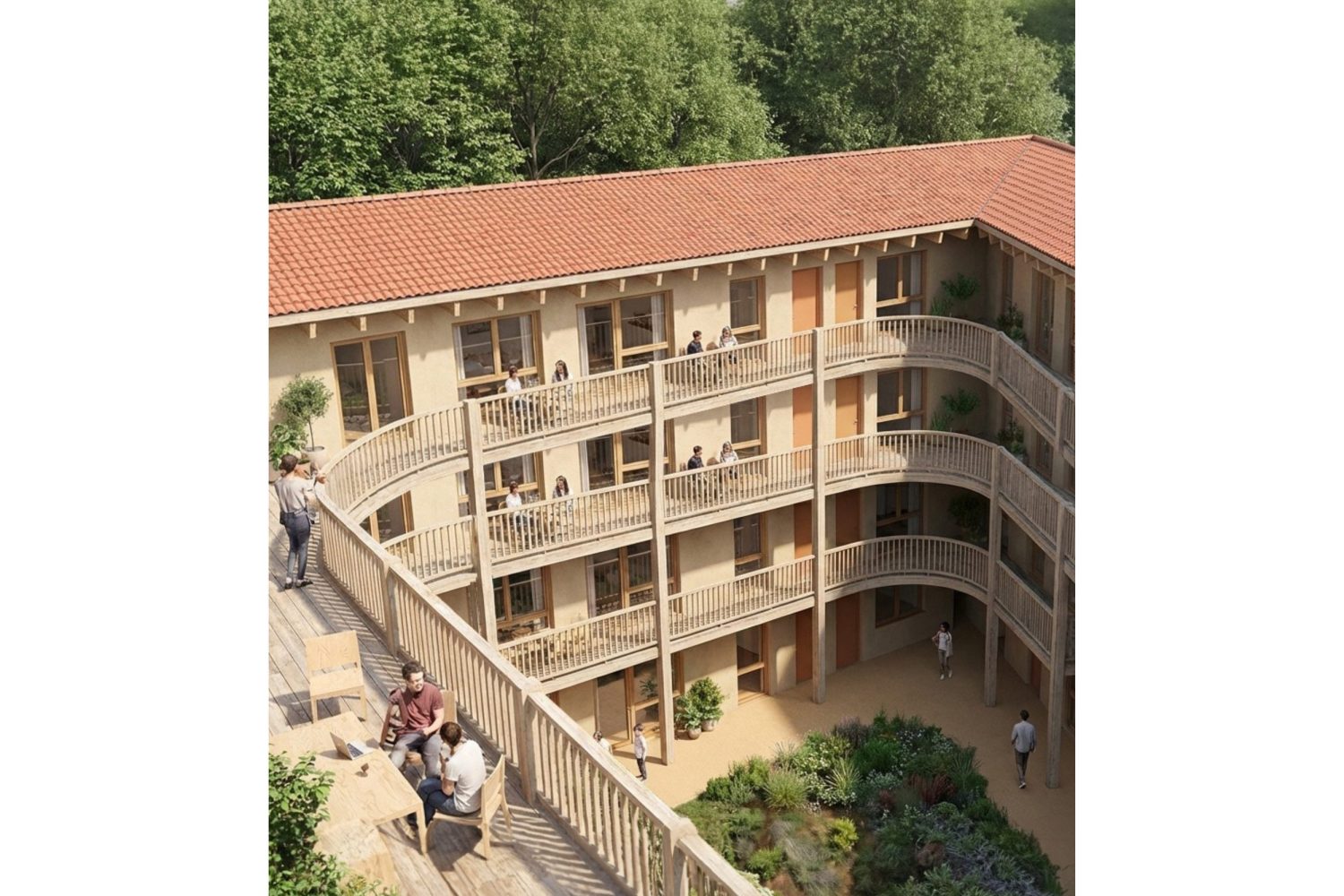

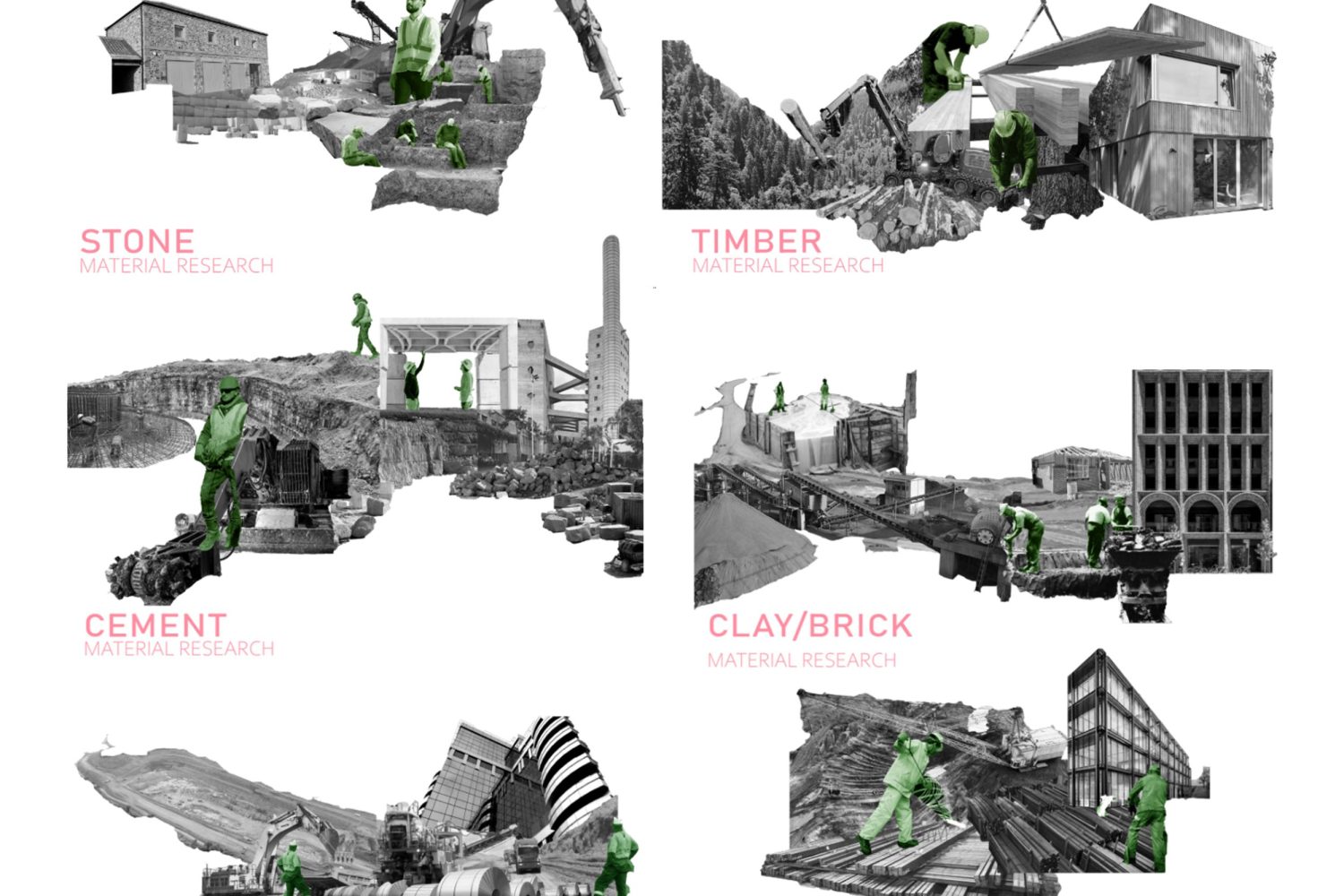


Practices: Studio Egret West (Heidi Au Yeung and Lucas Lawrence), Greengage (Chris Moss)
LSA tutor: Daniel Marmot
LSA students: Amelia Heath, Rammeja Anantharajah, Stela Pletenac, Esin Gumus, Mohammed Yar, Jansen Vioya-De Leon
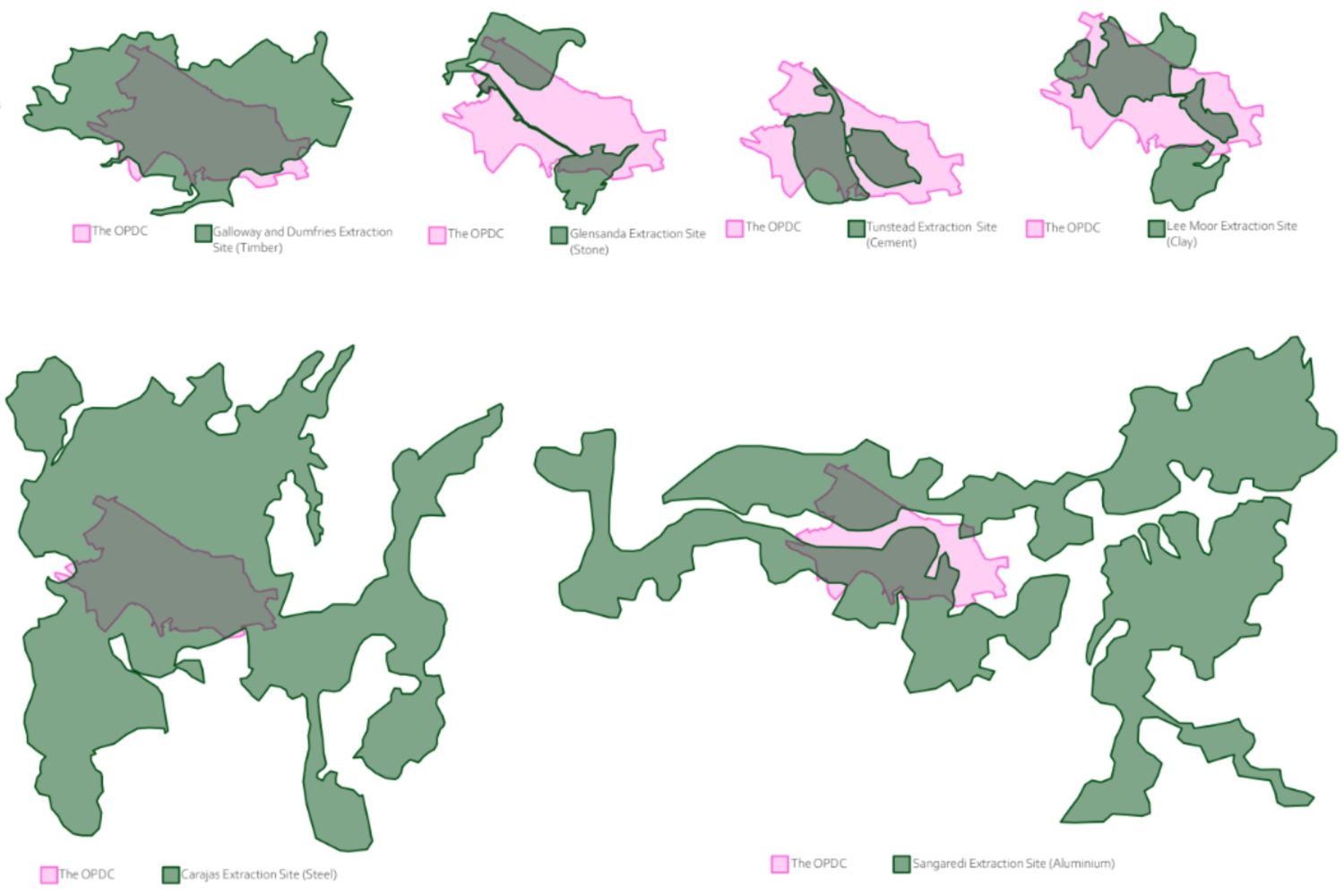
Steel, concrete, timber, aluminium, clay/brick and stone are among the most common building materials used in UK construction—but what impact do they have on nature?
This think tank investigates the environmental implications of these materials, exploring their effects at local, national and global scales. It examines the key stages of material production and use—extraction, manufacturing and construction.
To explore these impacts at a smaller scale, a significant site in London has been selected: The OPDC. As London’s largest industrial area, The OPDC presents substantial opportunities for material innovation due to both its scale and the pace of development. However, environmental considerations are often overlooked.
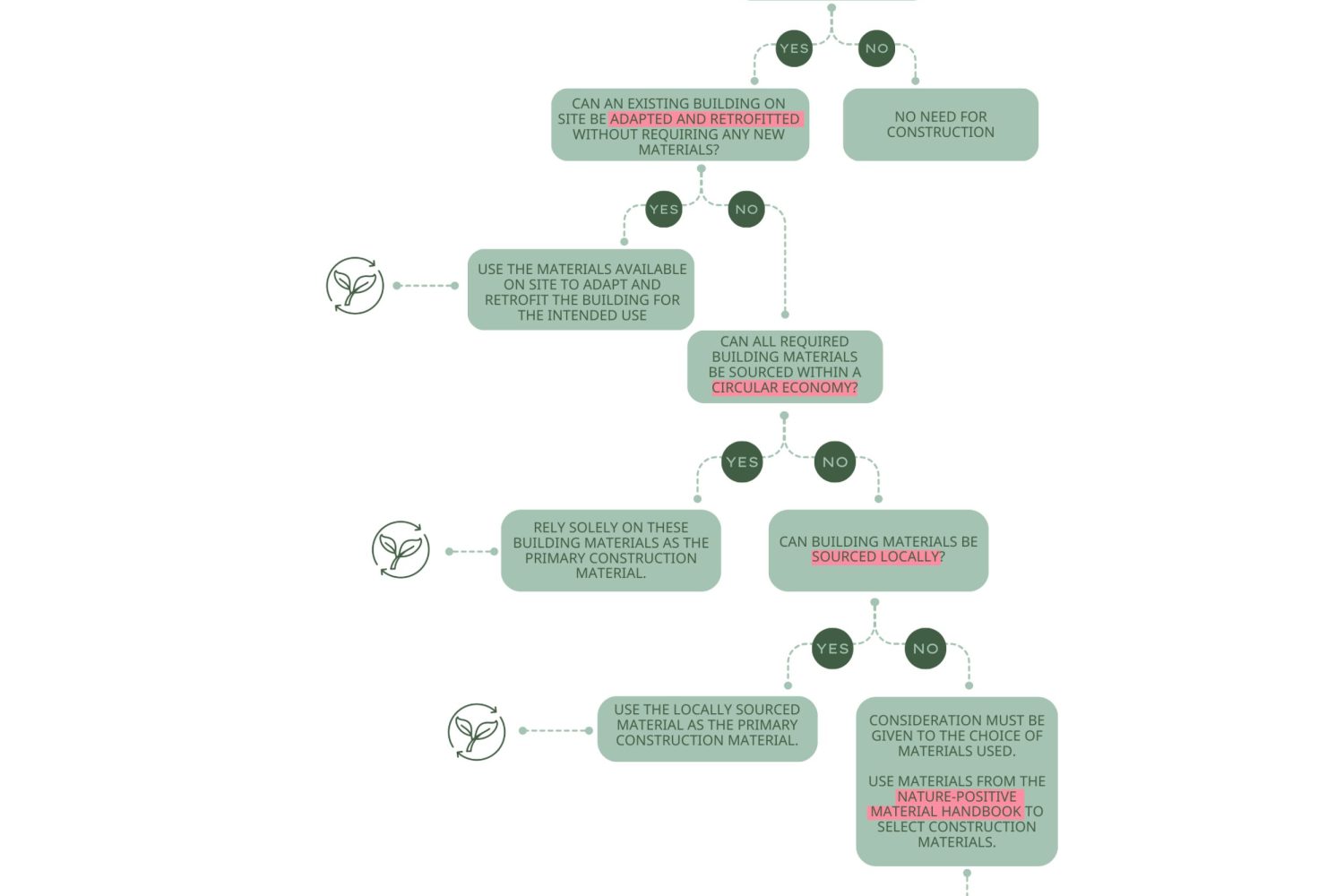
Our investigation reveals that as demand for construction materials increases, the condition of nature decreases. In response, this think tank proposes new frameworks and additional policies aimed at highlighting, addressing and reducing the environmental consequences of material use, whilst still enabling development to continue.
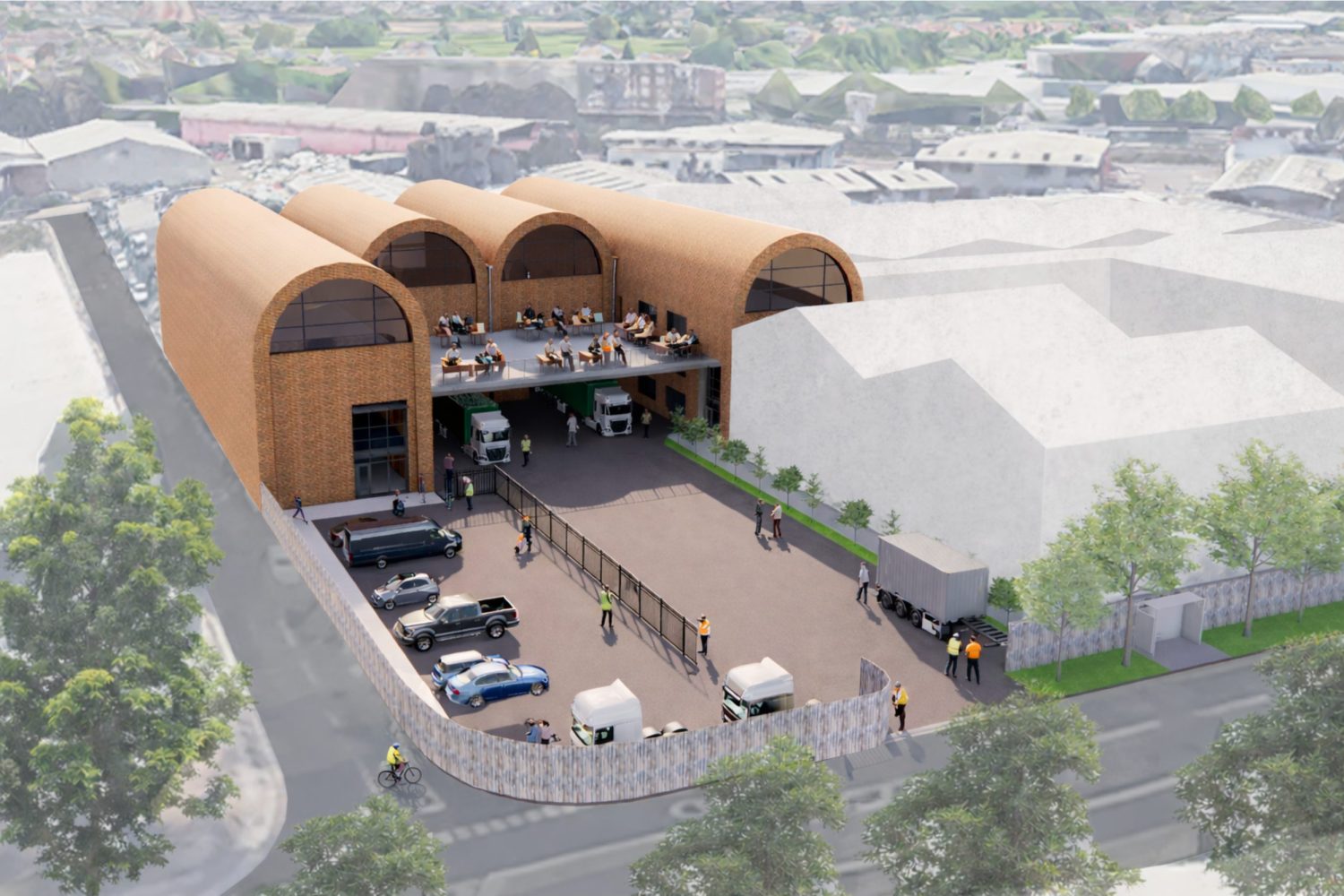
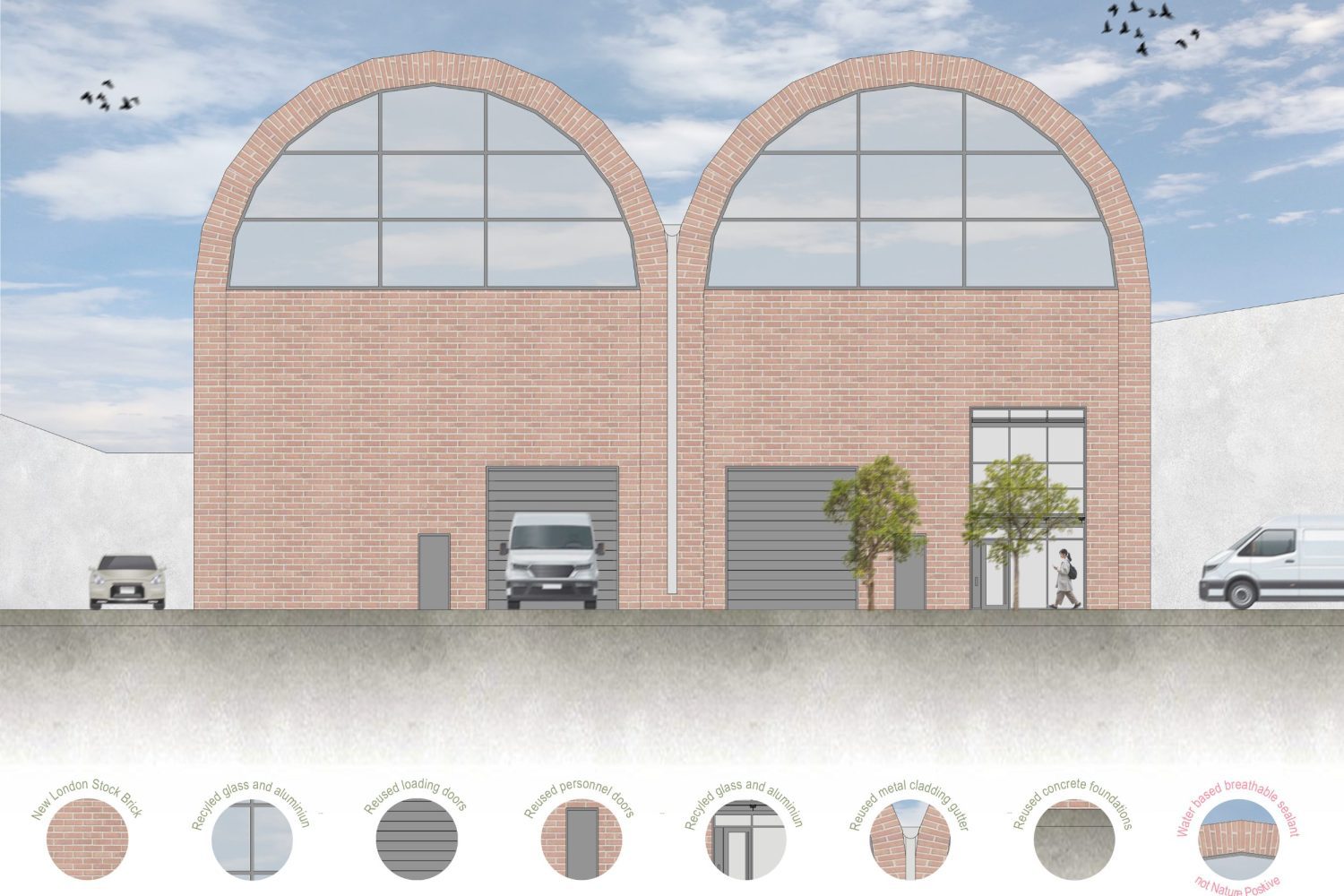
To demonstrate what a nature-positive design could look like in practice, two case studies, a residential and industrial development within the OPDC, have been developed. These illustrate the potential of designing with nature as a central consideration.
Ultimately, this investigation seeks to answer a critical question: can we build a nature-positive building in 2026?
HEALTH + INFRASTRUCTURE: REBALANCING INEQUALITIES


Practice: Haptic Architects (Jack Penford-Baker, Sherief Al-Rifai, Emma Galvin and Vittorio Asperti)
LSA tutor: Lola Lozano
LSA students: Henry Lawes, Millie Mo, Hannah Maes, Eddie Zhang, Idel Mendiuk
Research Question:
How can bread be used as an instigator to disrupt the choicelessness created by monopolies within the current food system and lack of infrastructure to support healthier relationships to food?
Project summary:
In Brent, industrialised food systems have eroded the relationship between people and what they eat — contributing to health inequalities, environmental pressures, and detachment from how food is grown and distributed. Supermarket monopolies dominate food access, embedding ultra-processed products within everyday diets, while food insecurity and diet-related illness remain significant challenges across the borough.
Using bread — a staple shared across cultures — as a catalyst, the project proposes a decentralised, community-based food network that reconnects fragmented neighbourhoods and repositions food as essential civic infrastructure. Drawing on principles of urban acupuncture, targeted interventions activate underused spaces along the River Brent, integrating food production, redistribution, preparation, and communal eating.
The proposal establishes a network of interconnected infrastructures: a collection and distribution barn, a bakery providing employment and training, community ovens as social third spaces, and a communal canteen reimagining collective dining as civic infrastructure. Together, these interventions make food systems visible, expand access to healthy food, and rebuild the relationship between people, place, and what they eat — introducing choice without demonising the supermarkets and fast-food outlets that remain essential to many residents.
Supported by the Brent Bread Decree, the project demonstrates how spatial design and governance can restore agency, improve public health, and embed food at the centre of urban life.