

Designing for dignity: how the LSA helped Dominic O’Dea find his voice
From designing healthcare facilities in the Caribbean to reimagining accommodation for asylum seekers, award-winning London School of Architecture graduate Dominic O’Dea is determined to make architecture a force for good. He explains how the LSA helped him develop his professional identity, challenge conventional thinking and pursue a career driven by social responsibility.
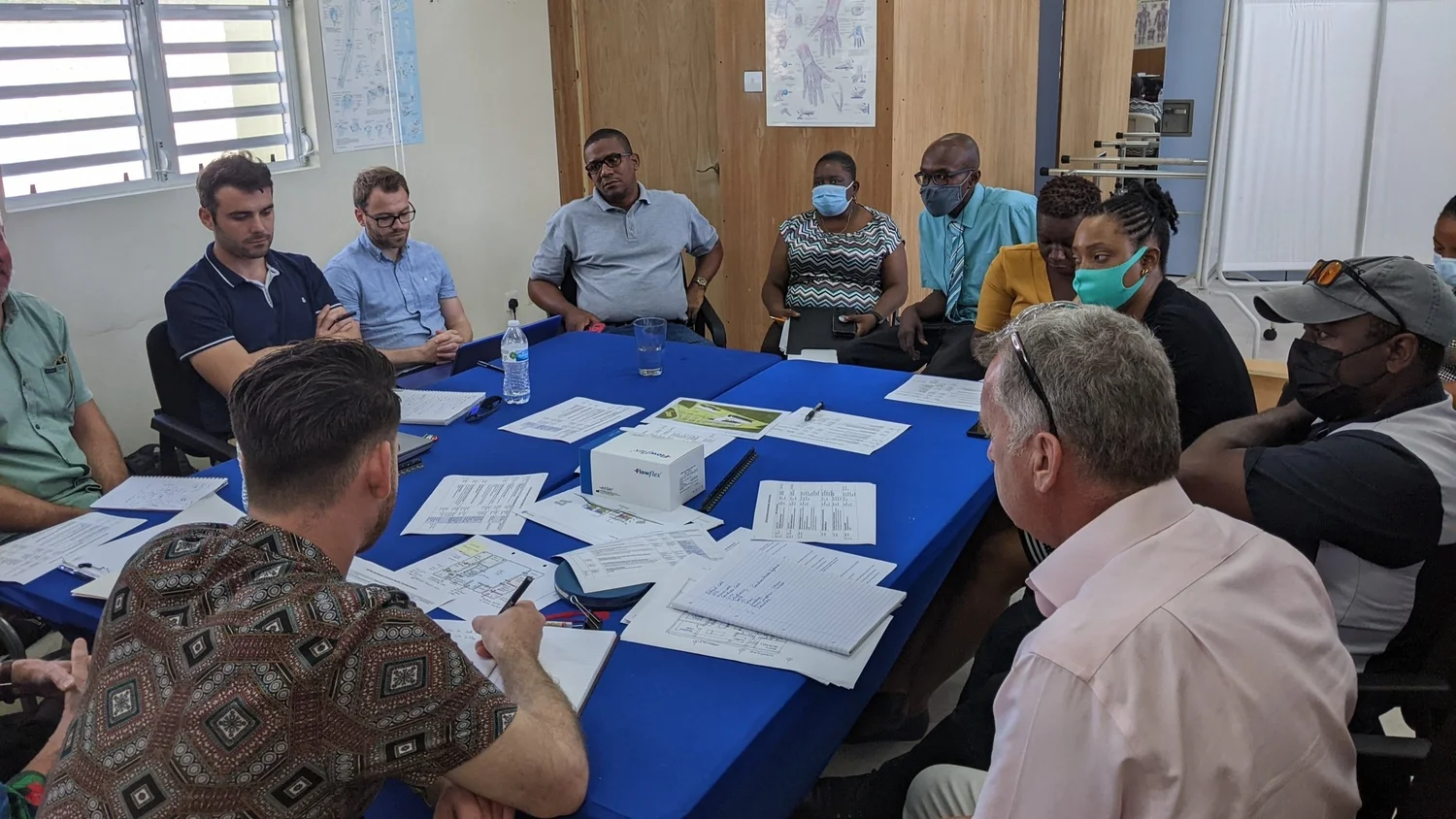
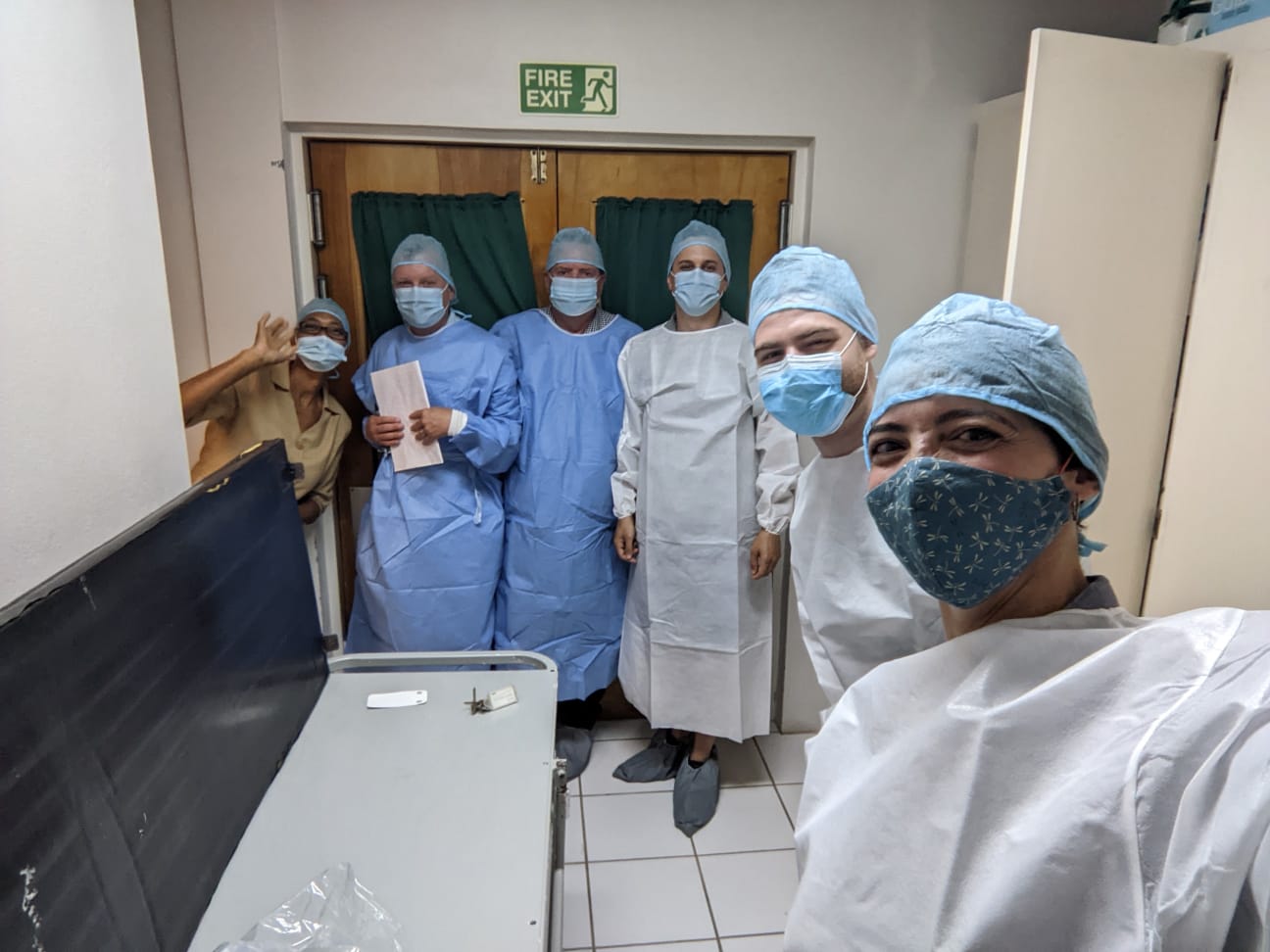
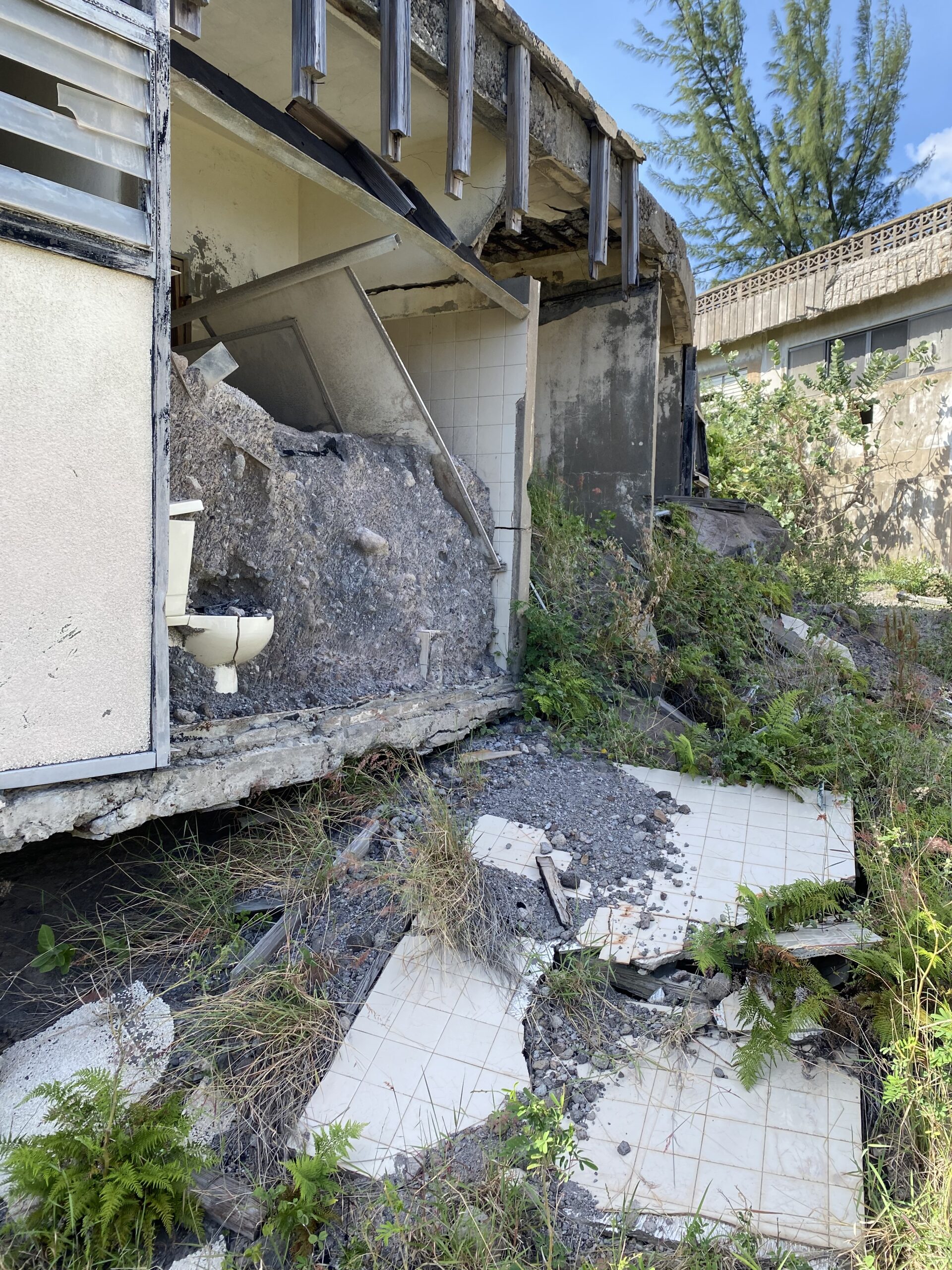
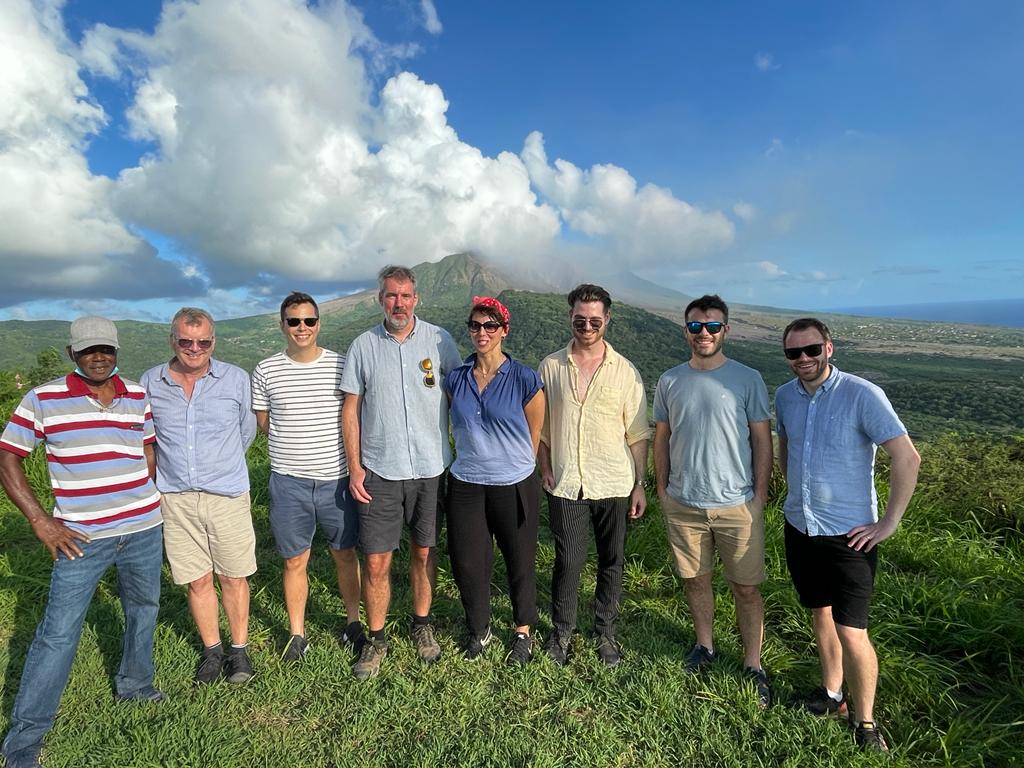
On the Caribbean island of Montserrat, Dominic O’Dea sat down with hospital patients, healthcare workers and local communities to understand what a new hospital would mean to them.
The island had been devastated by volcanic eruptions in the 1990s, leaving healthcare services operating from a repurposed primary school. For Dominic, who was working on the hospital project with humanitarian architecture charity Article 25, the experience proved transformative.
“Being able to sit in a room with the patients, with the staff, with the local communities and listening to their stories and seeing what this project meant for these people genuinely changed my perspective.
“I realised how powerful design can be when it’s done with people.”
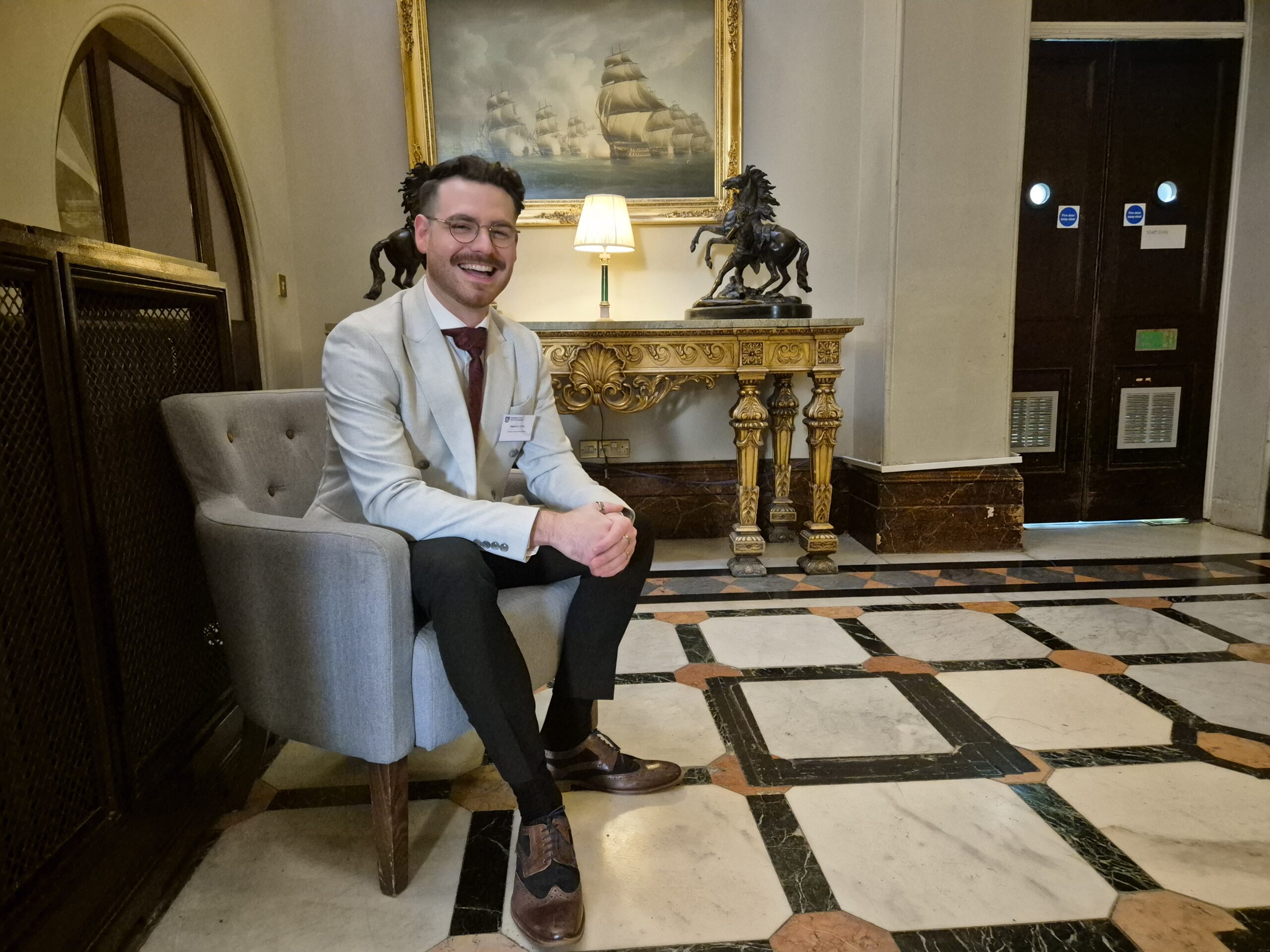
That conviction has become the driving force behind his career. Now 26, Dominic graduated from the London School of Architecture (LSA) in 2025 and was recently presented with the Alumni Award at the University of the Built Environment’s 2026 Built Environment Awards, recognising his commitment to humanitarian architecture.
For Dominic, the recognition represents another milestone in a journey shaped by his determination to put people at the centre of design.
Bridging the gap between education and practice
Dominic’s architectural journey began at another university, where he completed his undergraduate degree in 2021.
Although he thoroughly enjoyed the experience, he felt something was missing.
“I loved it, I really, really enjoyed it. But I felt that when I left, I was taught how to design, but I wasn’t necessarily taught how to practise as an architect.”
Having subsequently gained professional experience with Article 25, working on healthcare projects in Nepal, Morocco and the Caribbean, Dominic wanted a master’s programme that would allow him to continue developing his practical skills.
The LSA’s distinctive work-while-you-study model immediately appealed.
“I really wanted somewhere that I could keep my foot in the professional door,” he explained.
During their first year, students on the LSA’s two-year Part 2 MArch in Designing Architecture spend three days a week working in practice alongside two days of studio-based learning.
For Dominic, who worked at WilkinsonEyre during his studies, the benefits extended far beyond acquiring technical skills.
“Being able to sit in a room with experienced professionals and have conversations and have years of lived experience passed down. You can’t get that from reading a book.”
He was equally attracted by the school’s ethos and approach to architectural education.
“I went through their story, how it had been founded and their ethos, and something just kind of felt right.”
Discovering what kind of designer you want to be
While practical experience attracted Dominic to the LSA, the opportunity to question his own professional identity proved equally valuable.
The school’s Critical Practice module challenged students to develop a manifesto setting out their values, ambitions and responsibilities as designers.
Under the guidance of tutor María Páez González, Dominic spent weeks examining what he wanted to achieve through architecture.
“It was basically forcing you to think about who you want to be as a designer. Not just what you want to design, but what designer do you want to be?”
The experience helped him articulate beliefs that had already begun taking shape through his humanitarian work.
“I think it definitely helped me articulate priorities that I already had.”
His manifesto became a call for greater collective responsibility across the built environment professions, arguing that architects and other professionals have a duty to address humanitarian challenges.
These principles would become central to his master’s thesis, one of the most ambitious and personally significant projects of his education.
Reimagining asylum accommodation
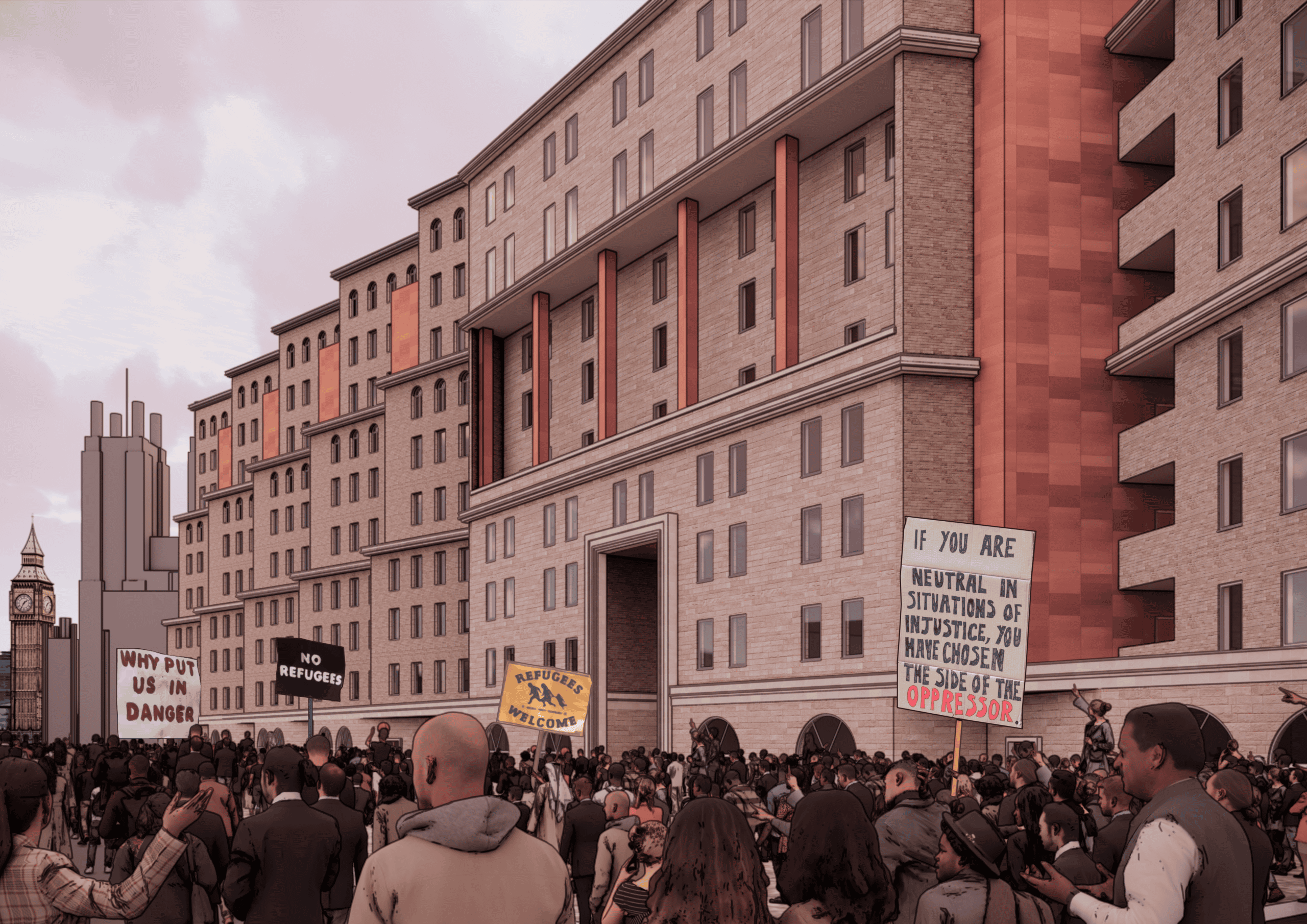
Entitled ‘The Pursuit of Dignified Shelter’, Dominic’s thesis explored how architecture could restore dignity, visibility and agency to people seeking asylum.
Concerned by increasing displacement caused by conflict, environmental degradation and climate change, he questioned why asylum accommodation was so often positioned on the margins of society.
“Nobody wants to be an asylum seeker, nobody asked to be an asylum seeker. And it can happen to anybody.”
His proposal sought to bring asylum accommodation into the heart of Westminster, transforming the concept of temporary shelter into a permanent part of civic infrastructure.
Rather than hiding vulnerable people from public view, he envisioned an inhabited monument to dignity, creating opportunities for belonging and connection.
The project also challenged conventional approaches to sustainability.
Dominic proposed replacing a structurally deteriorating building rather than pursuing a temporary intervention that would eventually need to be dismantled. Some external critics questioned the decision, but Dominic argued that short-term solutions risked increasing long-term costs and carbon emissions while perpetuating uncertainty for residents.
His tutor, Fabrizio Matillana, encouraged him to defend his reasoning.
“I think what I learned from this was, don’t be arrogant, but if you’ve done the research and you know it inside and out, trust yourself.
“Just because someone’s older than you or someone’s got more experience in something, you shouldn’t doubt yourself if you have the data to back it up.”
For Dominic, the experience demonstrated the value of developing an independent voice, supported by academic guidance that challenged rather than constrained his ambitions.
Turning conviction into action
After graduating, Dominic took time to travel in Australia and reflect on his professional ambitions. But the call for collective responsibility at the heart of his LSA manifesto was never far from his thoughts.
An opportunity to put those principles into practice emerged when he contacted a friend working at the Kimia Leprosy Clinic, deep in the rainforest of the Republic of the Congo.
The clinic provides a lifeline to people affected by leprosy, many of whom face considerable barriers to healthcare, as well as stigma and isolation. Alongside medical treatment, it offers outreach services to remote communities, accommodation for patients and their families, and nutritional support.
Facing the loss of two existing buildings, the clinic had acquired neighbouring land, creating an opportunity to secure its future through redevelopment and expansion.
Dominic became involved in designing a centre that would offer more than medical facilities: a welcoming place for healing and community, drawing on local materials, traditional construction knowledge and the skills of local workers.
He is contributing his architectural services pro bono, while Studio DASH, the multidisciplinary practice he recently joined, has offered to donate professional expertise.
And, in the spirit of the manifesto he developed at the LSA, Dominic hopes other built environment professionals will answer his call to arms by offering their own skills and expertise pro bono.
Those interested in contributing can find out more about Kimia and opportunities to get involved, while others can support the Kimia building project fundraising campaign.
Advice for future LSA students
Looking back, Dominic believes the LSA’s greatest strength lies in encouraging students to question not only how they design, but why.
“They make you think a lot,” he said.
“It’s not just, ‘oh, I want to be an architect’, it’s why. What are the principles behind that that drive you to do that? What do you want to accomplish from your career?”
For anyone considering the LSA, his advice is to embrace that opportunity for exploration.
“I’d say go in there with no expectations, but really use the time to think about where you want to be when you graduate.”
For Dominic, that process has helped turn a longstanding interest in humanitarian architecture into a professional direction, giving him the confidence to pursue work that reflects his values.
He said: “We just all have a responsibility to each other.”
Study with us
The LSA’s two-year Part 2 MArch in Designing Architecture combines studio-based learning, critical thinking and practice-based experience.
Explore the MArch in Architecture and apply.
The LSA has also launched an innovative combined Part 2/Part 3 programme, offering a faster, more affordable route to qualifying as an architect from September 2027.