

Knowledge
LSA Student Placement with Ryder Architecture
Alumni Case Study: Elliott Wang
Open Evening 1 April 2026
Design For Life returns this February
Call for Abstracts: Learnings/Unlearnings Conference
Part 0 Lead wins at Inspire Future Generations Awards
Applications open for MArch in Designing Architecture
The University of the Built Environment appoints new Professors
Get to know Lee Ivett
Open Evening 20 January 2026
LSA faculty nominated for Inspire Future Generations Awards
Yang Yang Chen shortlisted for Young Talent award
LSA Part 0 co-leads shortlisted for Inspire Future Generations Awards
LSA tutor is RIBA House of the Year finalist
Lee Ivett Open Evening Speech
Hugh Strange Architects: House of the Year 2025 shortlist
Lee Ivett starts as Head of School
LSA tutor wins Young Architect of the Year 2025
Open Evening 19 November 2025
AJ Student Prize | Postgraduate Winner: Amy Wilkinson
Hugh Strange Architects Shortlisted for RIBA Stirling Prize 2025
‘Design for Life’ returns this November – Part 4
Lee Ivett appointed as Head of School at London School of Architecture
George Moldovan shortlisted for 2025 Structural Timber Awards
‘A Seat at the Table’ Summer Show 2025
University of the Built Environment
OPEN DAY 11 June 2025
Future Skills Think Tank
JOB OPPORTUNITY: HEAD OF SCHOOL
LSA and UCEM merge
Future Skills Think Tank
Festival of the Future
Sixty years on from the London County Council: legacy, impact, learning
Dr Neal Shasore stepping down as Head of School and Chief Executive of the London School of Architecture (LSA) in February 2025
PART 0 WINS INSPIRE FUTURE GENERATIONS AWARD FOR FURTHER EDUCATION/HIGHER EDUCATION
LSA AND PURCELL ANNOUNCE NEW PARTNERSHIP
LUCY CARMICHAEL APPOINTED CHAIR OF THE BOARD OF TRUSTEES
PART 0 IS AN INSPIRE FUTURE GENERATIONS (IFG) AWARDS FINALIST
WINTER EXHIBITION – WED 11 & THU 12 DEC: CURATED OPEN HOUSE, EXHIBITION AND OPEN EVENING FOR PART 1s
NEW ROLE: RESEARCH ASSOCIATE – FUTURE SKILLS THINK TANK
JOB OPPORTUNITY: MARKETING MANAGER
ATTEND THE BRITISH EMPIRE EXHIBITION SYMPOSIUM 2024
SEE OUR GRADUATING STUDENTS’ WORK
JOB OPPORTUNITY: CRITICAL PRACTICE TUTOR
PlanBEE: Matching young people with work in the Capital
The Dalston Pavilion
LSA Graduate Exhibition 2024
British Empire Exhibition: Call for Participation
LEAD OUR BRAND-NEW PRACTICE SUPPORT PROGRAMME
HELP DEFINE THE FUTURE OF EQUITABLE BUILT ENVIRONMENT EDUCATION
Load moreAlumni Case Study: Elliott Wang
Designing homes for a changing city: Elliott Wang and the London School of Architecture
On a computer screen in a Shoreditch architectural studio, plans are taking shape for the next phase of the Kings Crescent Estate regeneration in Hackney, London. Hundreds of new homes are being delivered alongside improved public spaces and refurbished buildings, part of one of London’s most ambitious council-led estate renewal programmes.
For young architect Elliott Wang, contributing to a project of this scale and type so early in his career still carries a quiet sense of achievement.
Only a few years ago, he was developing creative ideas about housing typologies as a student at the London School of Architecture (LSA), a specialist school within the University of the Built Environment.

Today, Elliott works at the award-winning London practice Henley Halebrown, currently helping design new homes within the regeneration scheme as well as exploring varying housing typologies through a series of international housing competitions.
He said: “My day will involve developing and coordinating designs with our internal team, consultants we are working with and suppliers, all to compose a series of detail drawings and diagrams to prepare the scheme for construction.”
The transition from architecture student to practising architect has been remarkably seamless – something Elliott attributes in part to the LSA’s distinctive approach to education. With its ‘earn while you learn’ model, students work within the profession while studying.
He said: “The engagement with practice, both through working alongside the course and within modules such as the Design Think Tanks was incredibly helpful.
“Students can develop academically and professionally in parallel, which very often saw skills from both areas crossing over and informing each other.
“This was really useful for career development.”
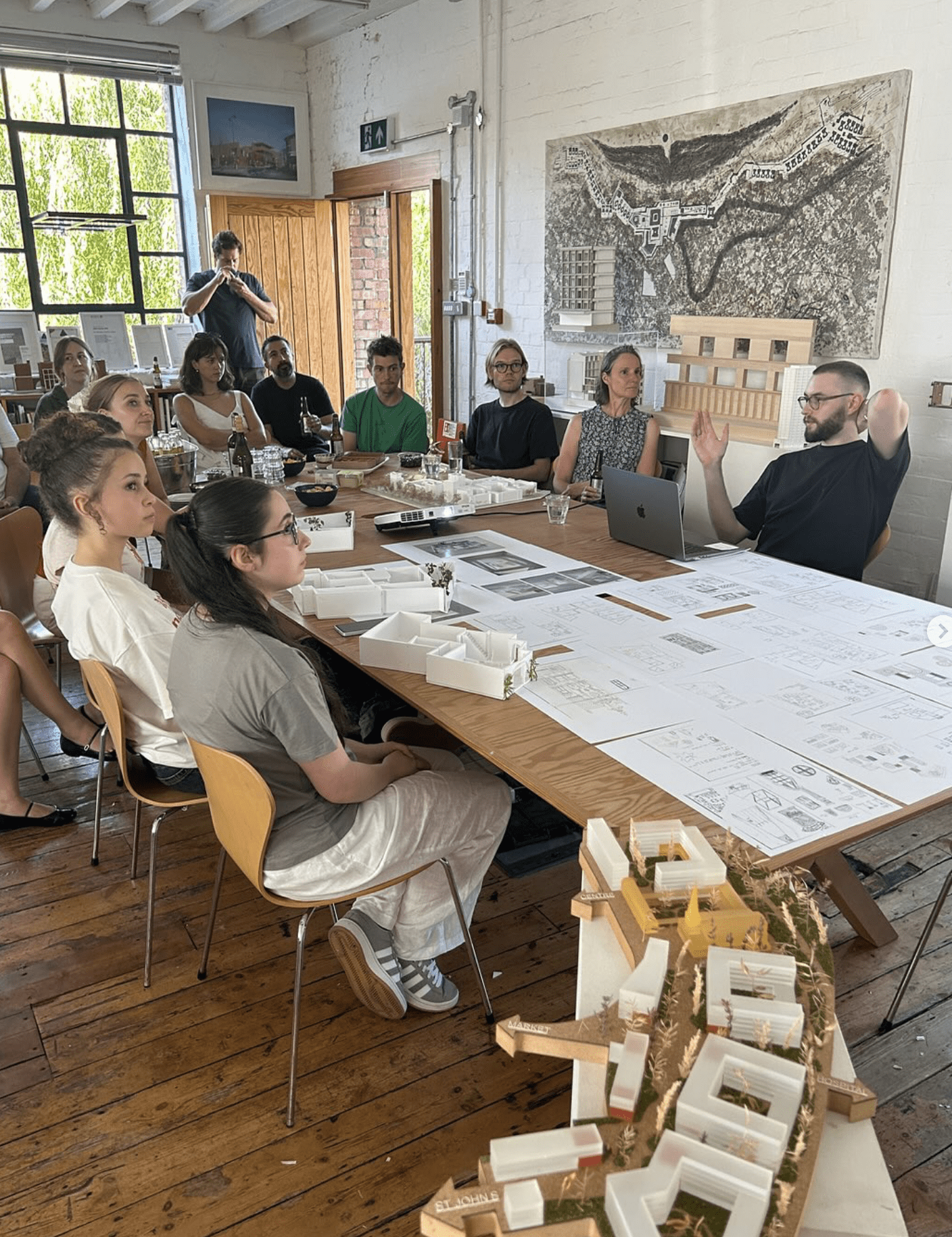
Discovering architecture
Interestingly, Elliott’s path into architecture did not begin with childhood ambitions of designing buildings. In fact, the idea emerged relatively late in his tertiary education application process.
“The idea to study architecture and pursue it as a career came about just before applying to university,” he revealed.
“Like many, I was introduced to it as a middle-ground between artistic and science-based subjects. Though only after shortly reading up on the subject, I knew that it was something I would be interested to explore.”
Architecture offered the intellectual breadth he was looking for, as the discipline draws together creativity, spatial thinking, engineering awareness, and social context.
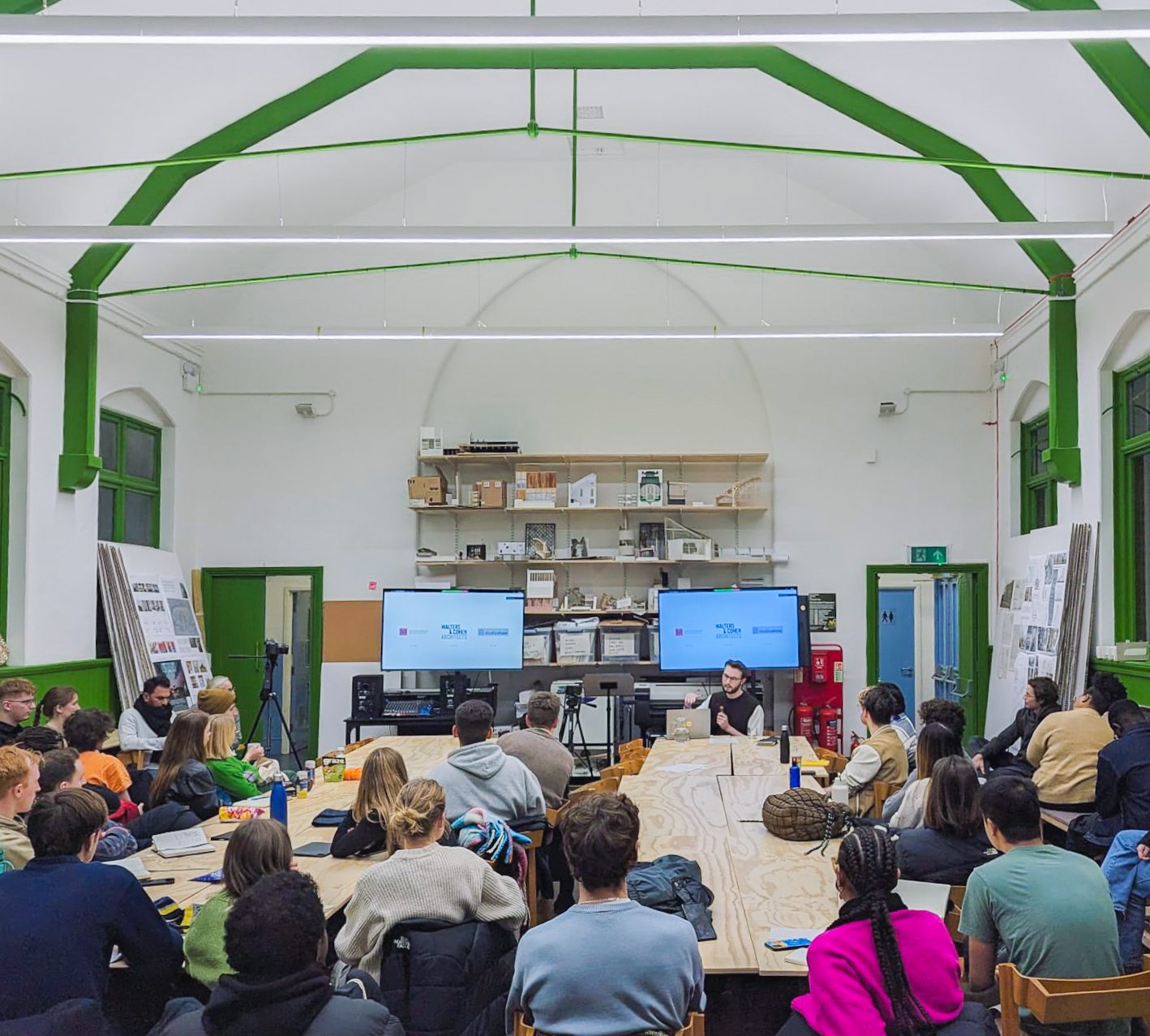
Studying at the London School of Architecture
Elliott joined the LSA’s MArch in Designing Architecture in 2021 and graduated two years later.
One aspect of the course stood out immediately: the freedom students are given to shape their own direction and develop a personal architectural narrative.
“I was particularly interested in the ability to shape your own brief,” he said, “and over the two years of the course, really work to uncover and develop your interests in either a range of subjects or one specific avenue of studying.”
The programme structure encouraged students to connect projects across modules rather than treat them as isolated assignments.
“The set up of the modules aided this quite well, allowing you to treat them as offshoots of your larger architectural narrative,” he said.
“This really drove my experience at the school, seeing the course as a holistic idea that all fed into the direction I wanted to take in practice.”
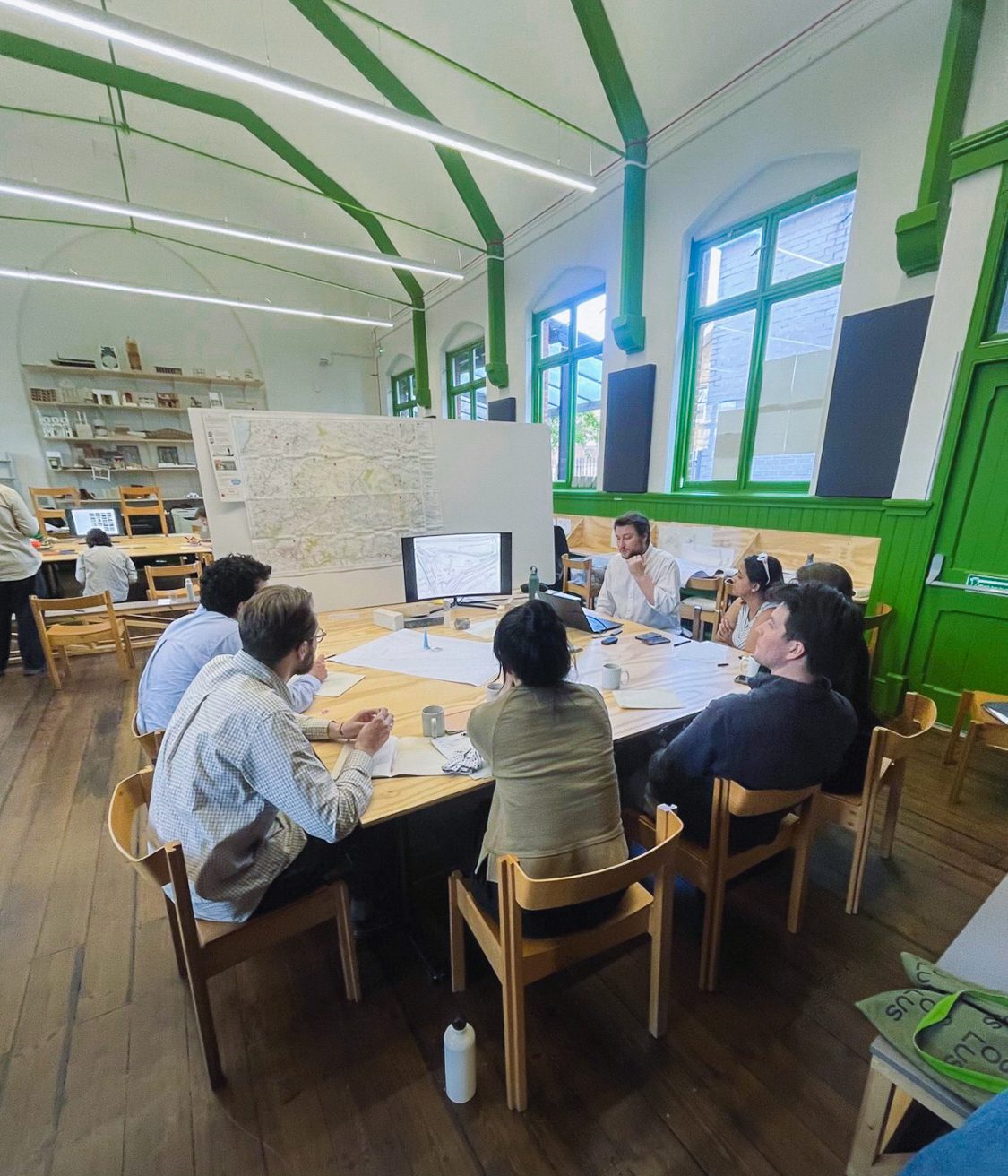
Building a professional network
Another element of the LSA experience that Elliott valued is the strength of its practice network, featuring London-based architectural practices and built environment organisations.
This network is the school’s enabling link between academia and practice and forms a community of students, practitioners, educators and built environment professionals.
“The LSA has such a vast network in London, that you will meet both students and staff that you can easily reach out to later on to work with or collaborate with,” he explains.
“This network has been incredibly useful in making connections as well as overall career development.”
While most architecture schools are gateways into the profession, the LSA’s close ties to practice mean that students encounter a wide range of contacts while studying. In other words, most other schools treat practice as a step that comes after graduation, whereas the LSA sees it as an integrated element throughout. Elliott said: “The range of voices and experience that are both present at, and invited into, the school really allows for students to get an understanding of the current social and professional environments that they are about to move into.
“This allows them the potential to have a unique voice in an ever-developing profession.”
Design reviews and a RIBA commendation
The community formed at the school was one of the most memorable aspects of Elliott’s time at the LSA. Through the modules, review processes and staff engagement, he noted that he found the cohort became not only a collection of practitioners and staff with helpful and insightful experiences but also a welcoming sounding board and developmental tool for design ideas and theories.
In addition, The studio review process brought together tutors, visiting critics, and practitioners to interrogate ideas, test arguments, and refine design approaches.
“Advice revolving around design development and methods, theories and concepts are all elements that I have taken forward into my career and teaching,” he said.
The process of revisiting ideas and responding to critique became a central part of his design thinking.
“I was able move on with the project with different perspectives and an excitement for each next step.”
His work led to recognition beyond the school itself.
“This development and process culminated in receiving a commendation for the RIBA Silver Medal, which was an amazing way to round off my time at the school.”
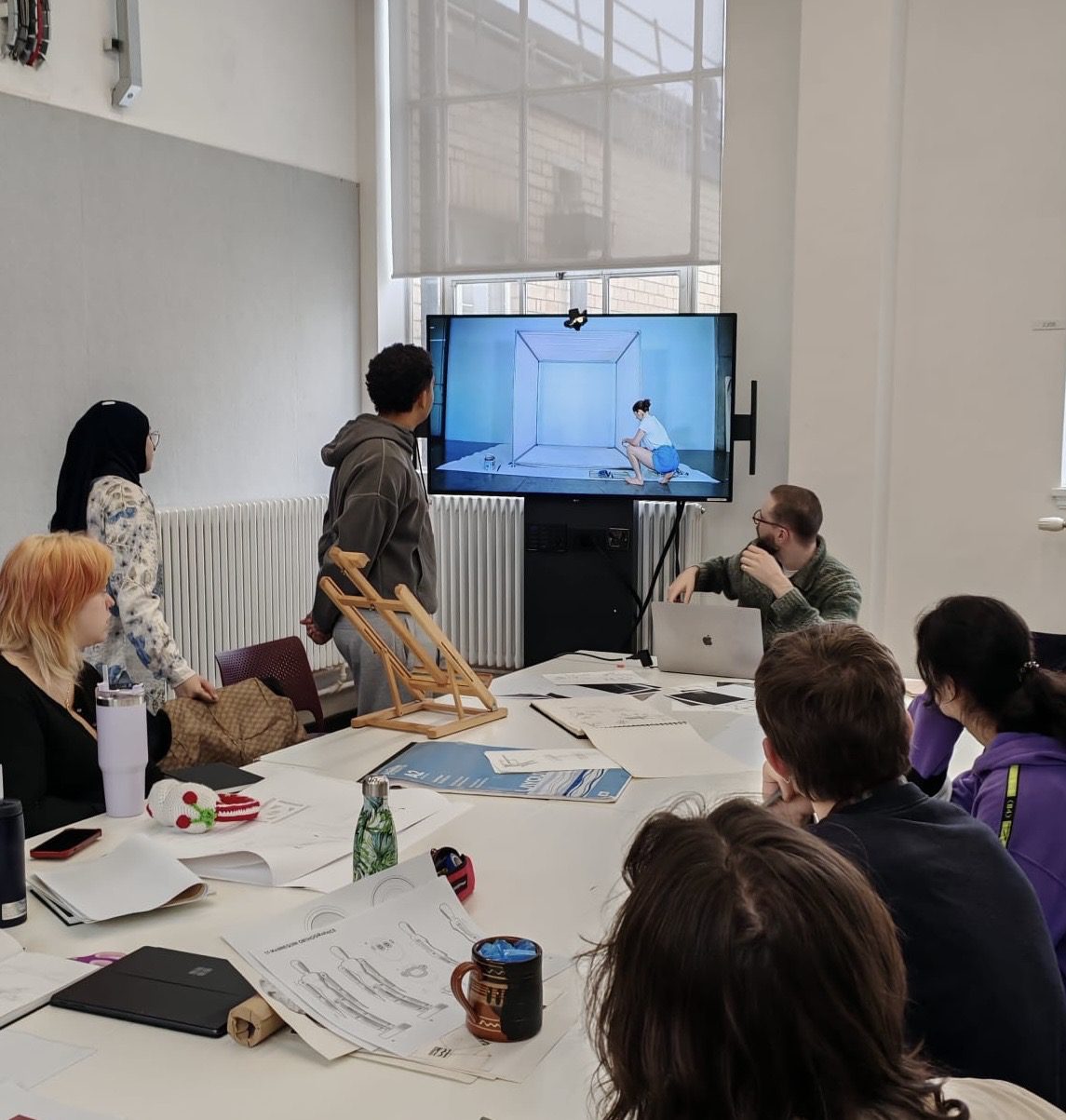
Understanding architecture in context
During his studies, Elliott developed an approach to architecture that considers the bigger picture in which buildings exist.
“Since studying at the LSA, I have become incredibly interested in the potential of, and exploration of, radical and experimental forms of housing typologies,” he said.
“The course as a whole promotes a wider social and economic understanding of the subjects and narratives you are addressing. These perspectives and approach to the projects have been something that has uniquely impacted my work in practice and teaching. and is something that I continually try to pass on especially to my students and when returning to the LSA for design reviews.”
Tips for architecture students
Looking back on his experience, Elliott encourages prospective students to approach architectural education with curiosity and confidence.
“Be bold with your ideas, and approach your time at the school with a questioning and experimental attitude.”
He also encourages graduates to take time exploring the profession as their careers develop.
“When you leave university, take your time to understand what you may or may not like in the profession, whether it is a type of project, sector, or different stages.
“Build on this when and where you can. Particularly just after leaving university, try and see these all as opportunities to gain experience and knowledge.”
Find out more about studying Architecture with us:
The London School of Architecture – University of the Built Environment
The London School of Architecture (LSA) is a specialist school within the University of the Built Environment. It combines real-world experience with studio-based learning.
The LSA’s postgraduate architecture degree offers an innovative design-led approach that equips students for commercial practice.
BSc (Hons) Architectural Design Technology – University of the Built Environment
Architectural technologists are the experts that translate a modern architect’s vision into reality. With innovative techniques and digital tools, they bridge the gap between architectural aesthetics and practicality, taking into consideration safety, sustainability, functionality and efficiency.